James Turrell's Aftershock: the disappearance of matter into colour
In Aftershock, the visitor climbs steps that recall a temple and enters a space where colour and light fill it completely. There is no focus, no direction.
Words by
By Gilles Pedroza Leite, design and innovation
Listen to this story
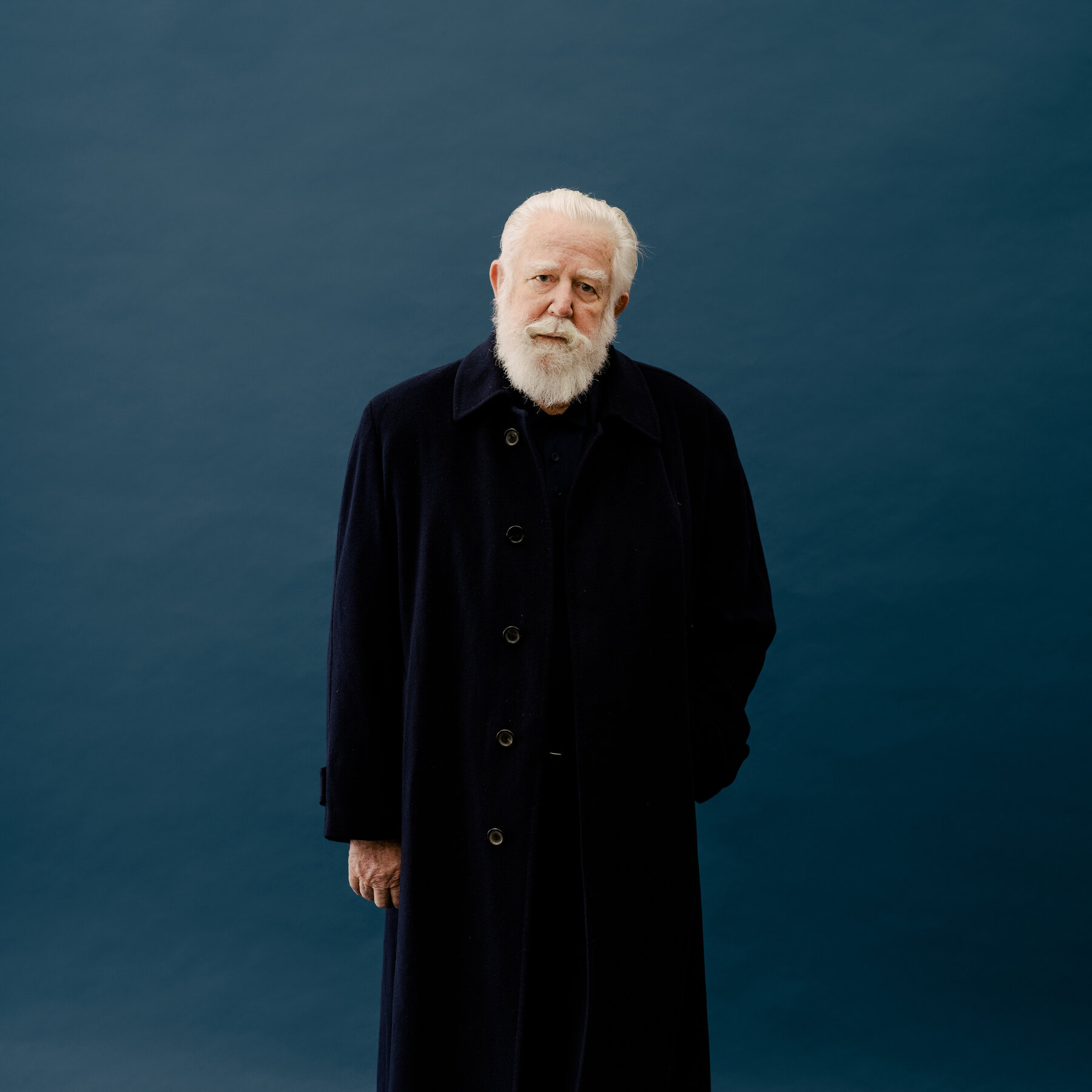
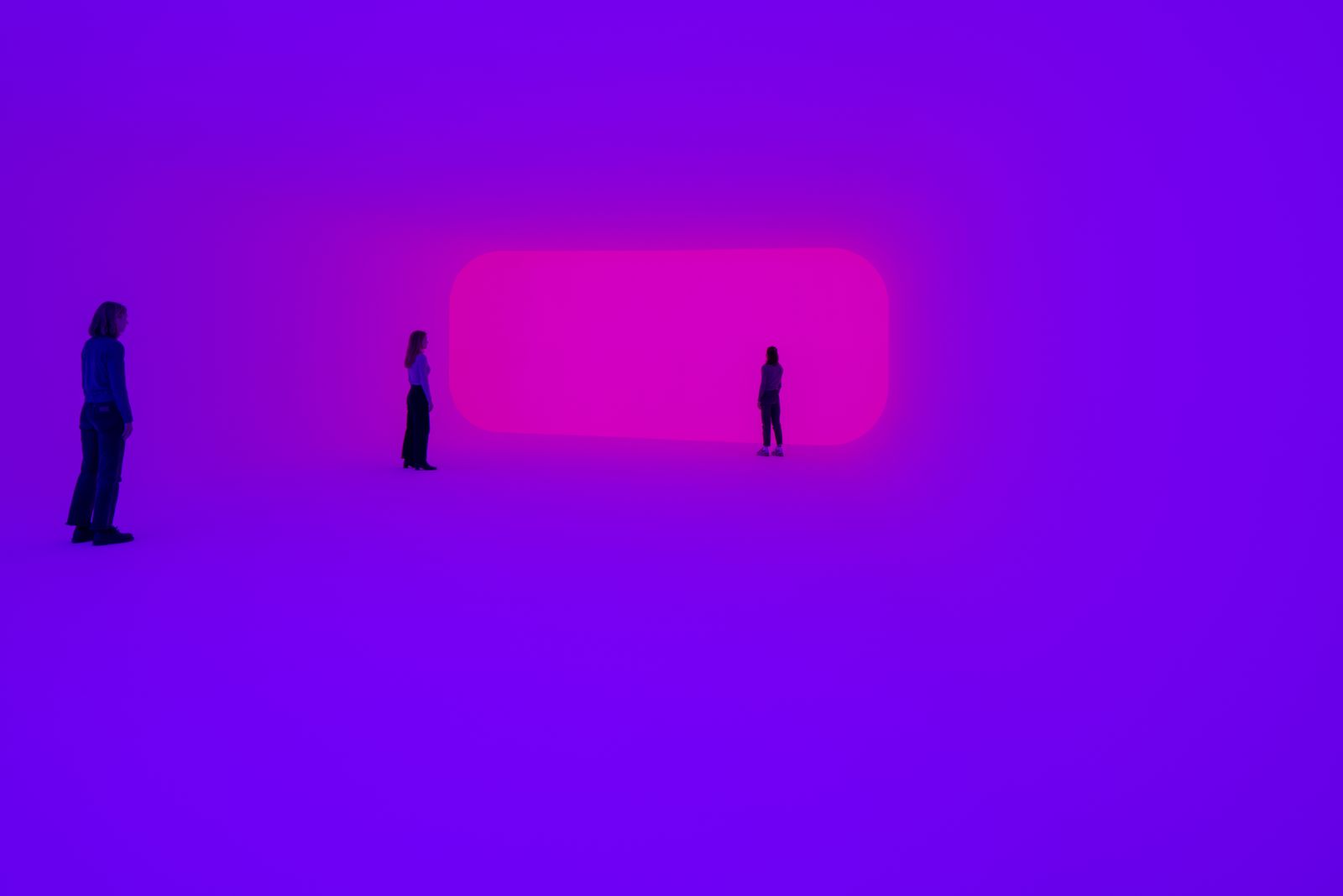
With the installation Aftershock, presented at Copenhagen Contemporary, the North American artist James Turrell reaffirms his position as one of the most radical names in contemporary art. Known for turning light into matter and perception into language, Turrell builds immersive spaces where architecture seems to evaporate. In Aftershock, the visitor climbs steps that recall a temple and enters a space where colour and light fill it completely. There is no focus, no direction. The experience is one of total immersion, as though the senses were suspended in a chromatic mist in constant change.
The work is part of the Ganzfeld series, a name derived from a concept in the psychology of perception describing states provoked by intense and uniform visual stimuli. Turrell uses that effect to challenge the limits of sight. In Aftershock, tones such as fuchsia, orange and blue follow one another slowly, creating a continuous field of colour that disorients vision and dissolves the borders of space. The result is a sensation of floating: the viewer loses the sense of depth and at moments even doubts whether their eyes are open or closed. It is the kind of experience that demands time and delivers a powerful counterpoint to the speed of contemporary images.
Aftershock is a statement about the relationship between body, light and space. Over five decades, Turrell has devoted himself to investigating light as material and phenomenon, influenced both by the psychology of perception and by his Quaker upbringing, which values the idea of an “inner light”. His work depends on neither symbols nor narratives. On the contrary: it is in their absence that his work gains force. In a world saturated with images, Aftershock proposes a return to the essential. Turrell reminds us that seeing is, above all, an intimate experience, and that light, when well worked, can be as powerful as matter.
Na obra “with my vowels”, Swilk @swilkwork desenvolve uma investigação sobre linguagem como sistema físico. A instalação utiliza estruturas
See on InstagramFrom Complete