Mondepars presents Alda II
Fashion has the ability to turn intimate stories into collective narratives. When it approaches memory, it ceases to be merely a language of trends and becomes a realm of permanence, affection, and reconstruction.
Words by
By Sarah Rocksane Araujo, editorial, fashion and beauty
November 25, 2026
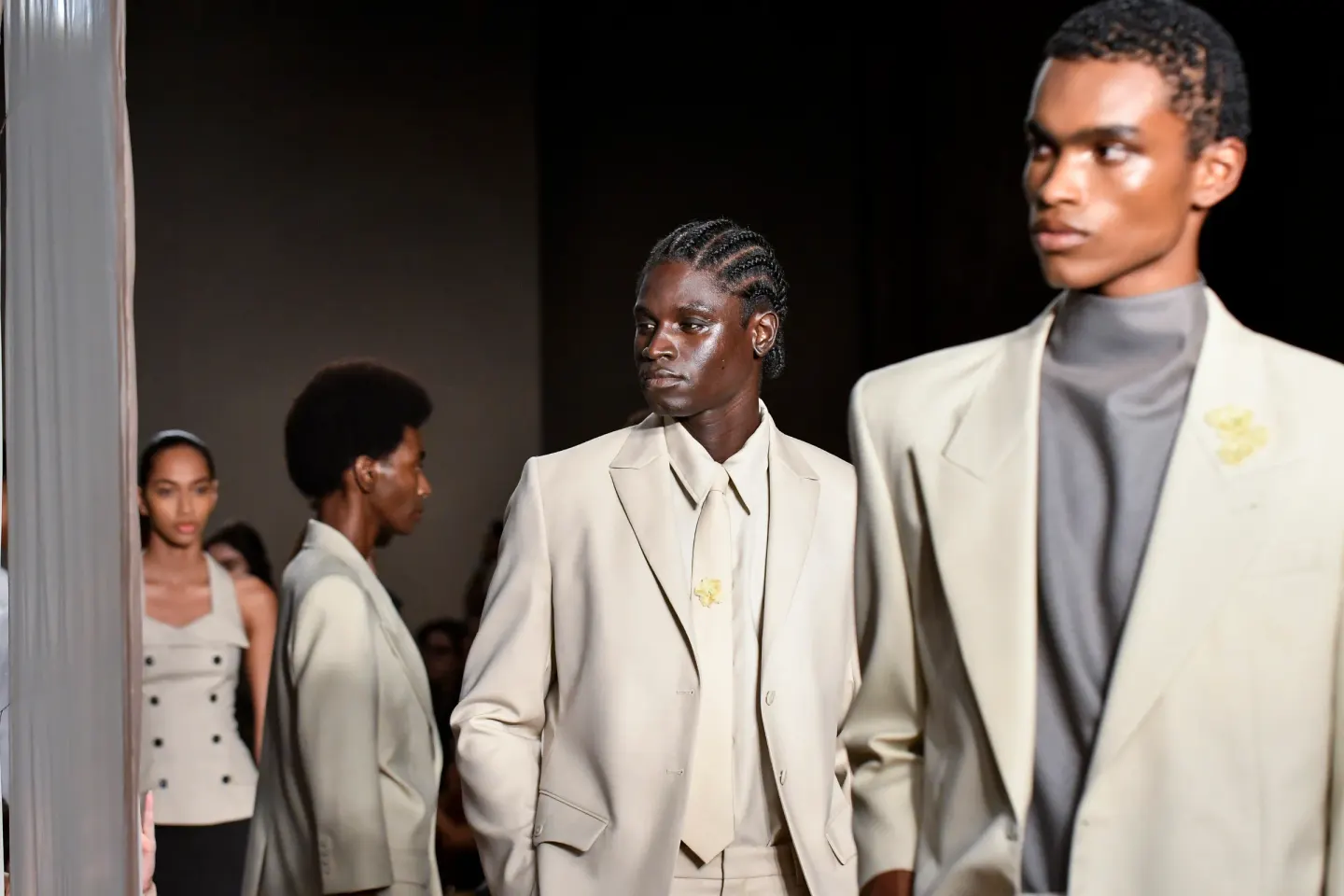
In this space, Mondepars presents ALDA II: The Alda workshop, the second chapter of a project in which Sasha Meneghel revisits her grandmother Alda Meneghel’s trajectory to reveal the artist behind family memories. While the first show traced Alda’s childhood, convent life and marriage, this new presentation, held in São Paulo on November 24, opens the doors to her creative universe. Fabrics, embroideries, paintings and collages move beyond domestic settings to become the material of a collection that investigates the relationships between fashion, art and memory.
For Alda, creating was a daily practice. Painting, sewing, embroidering and cutting were gestures that ran through her routine naturally, without the need to separate art from life. Her output also followed motherhood: it was from her that the first costumes for her daughter, Xuxa, were born. For Sasha, the grandmother simultaneously represented nurture and creation, a presence around which the family gathered and imagination found space. By choosing the studio as a starting point, Mondepars does not propose merely a biographical tribute, but a reflection on how a woman's gestures can cross generations and remain alive in other forms of expression. There is something especially sensitive in this transition: turning an affective memory into visual language without stripping it of the human, everyday and imperfect dimension that gave rise to it.
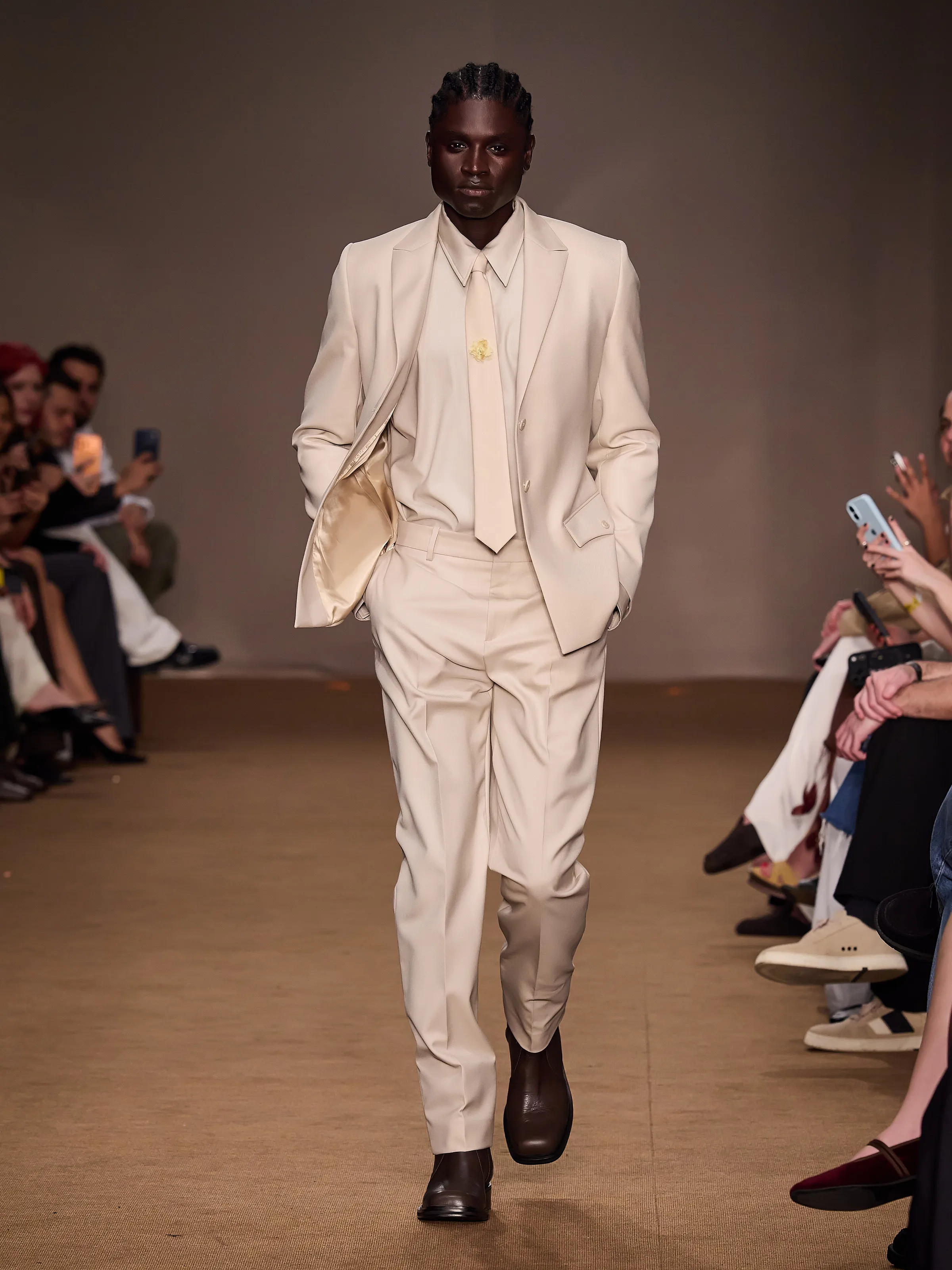
The collection translates this multiplicity through a multidisciplinary construction where painting, embroidery and material experimentation intersect. Artistic interventions on wooden garments, executed by Samara Paiva, turn the surface into a space of expression, while technology engages in dialogue with handcraft. One example is a top built from a 3D‑printed panel that reproduces the wood’s shape as a kind of armor and is overlaid with embroidered knit. The trompe‑l’oeil runs across different pieces, as do the textures, which take centre stage on the runway. The colour palette, derived from Alda’s canvases, gathers sand, clay pink, blush, shades of blue and celadon green, filtered through a chromatic sophistication that avoids excessive brightness. In the silhouettes, the basque shape appears in a subtler version, blazers are extended to three‑quarter length, skirts are cut on the bias and dresses explore a cocoon form. Layering and unprecedented accessories in wood and stone broaden the investigation of the meeting between body, material and surface.
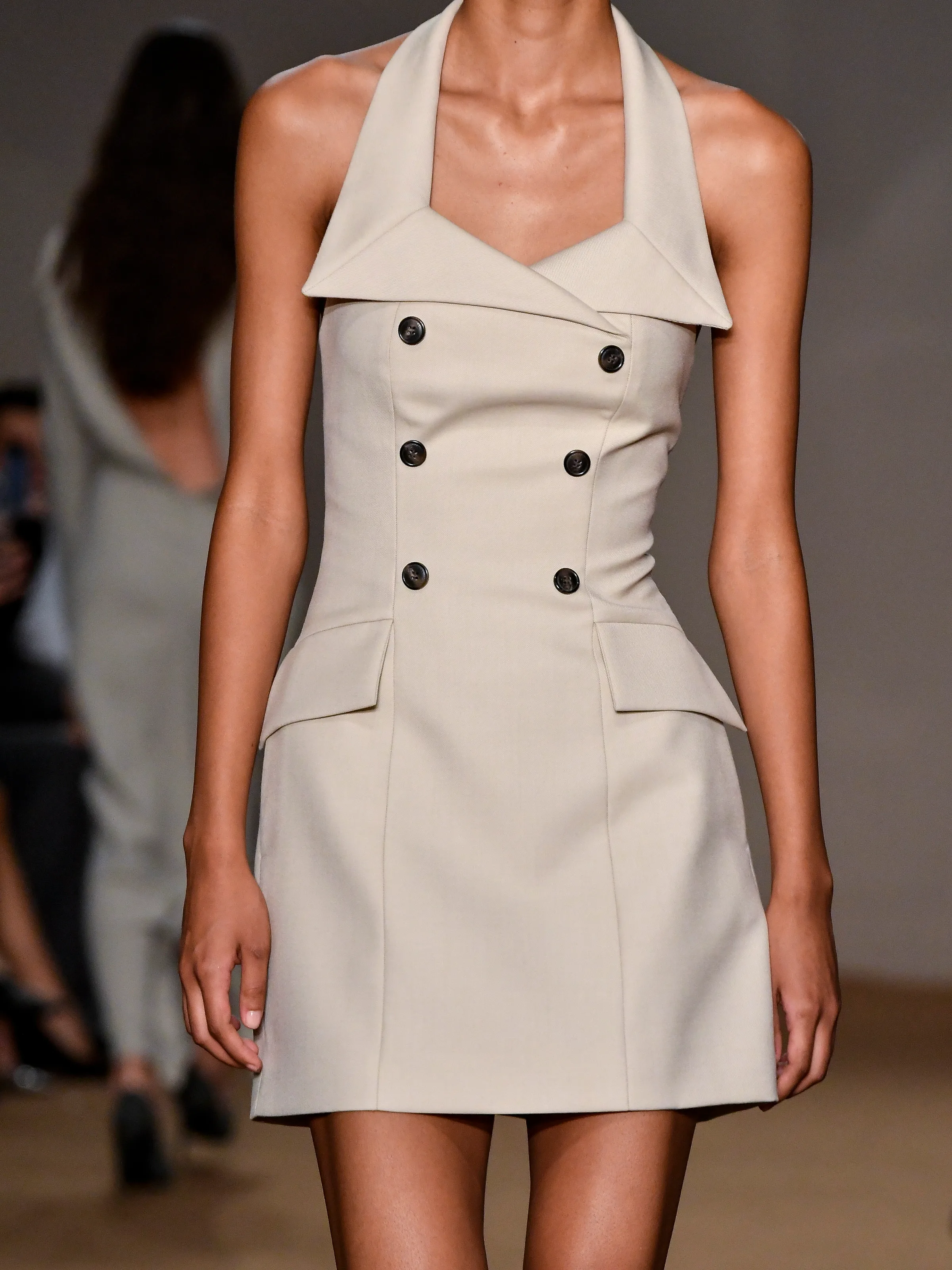
One of the most significant aspects of ALDA II lies in how the collection incorporates the transformations of Alda’s creative process throughout her life. As Parkinson’s progressed, the artist had to adapt her techniques, but she did not halt her production. Her painting acquired a more trembling line, while collage gained greater presence in her work. On the runway, this transformed gesture becomes language through Lunéville embroidery, a traditional French technique used by Mondepars for the first time on dresses, skirts and blouses. What might be read as a limitation turns, in the collection, into a visual signature. The scarves that accompanied Alda during treatment also appear in prints adapted from her paintings. Here is a choice that deserves attention: rather than erasing the marks of time and bodily change, fashion incorporates them as part of the creation’s history. The result does not romanticize the experience of illness, but acknowledges the artist’s capacity for reinvention, as she continued to find ways to do what she loved.
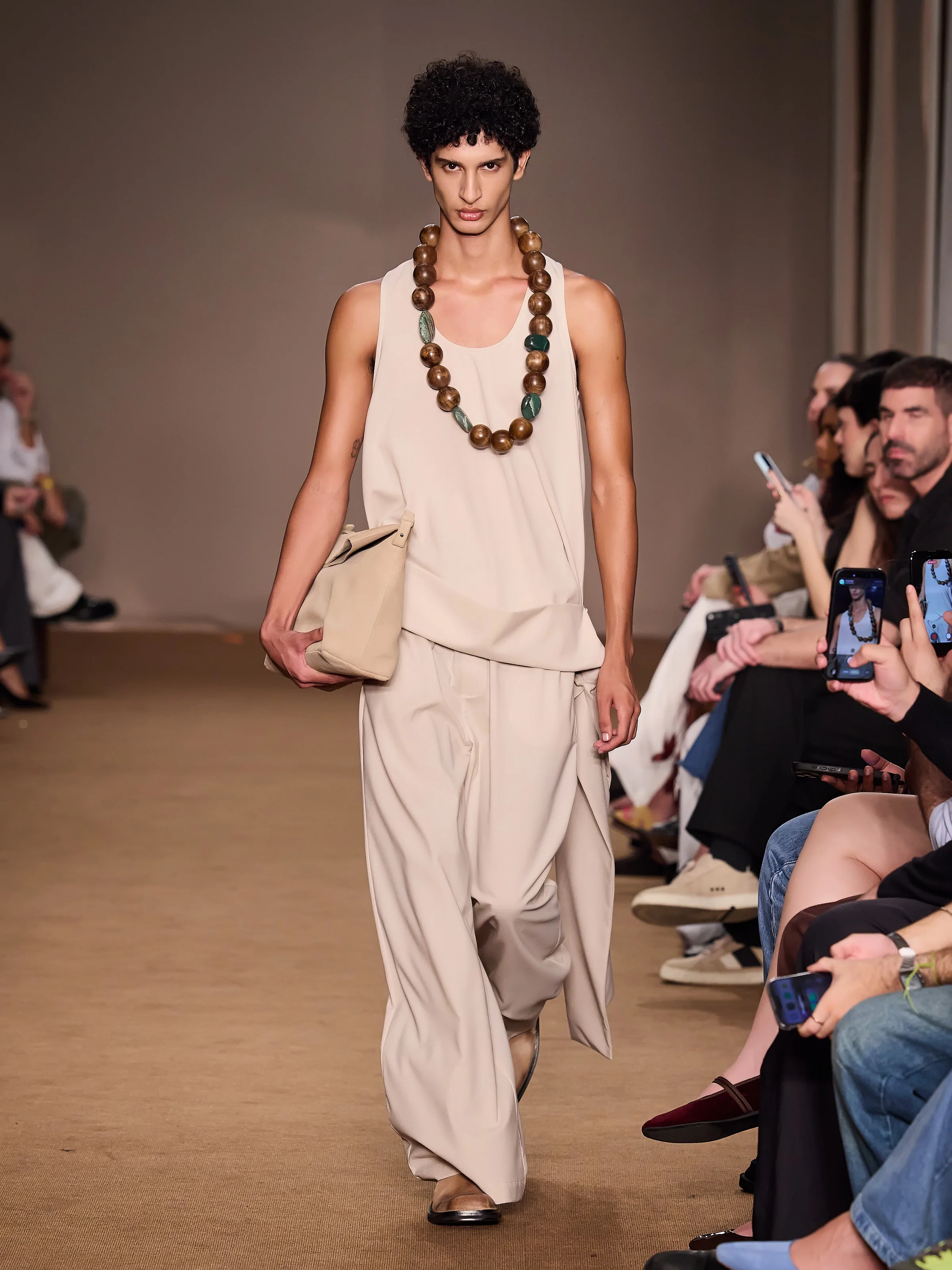
This narrative extends beyond clothing. Galeria Mondepars, a project dedicated to bringing the public closer to the processes of artists, goldsmiths, ceramists, architects and curators, expands its presence in the collection through various collaborations. In addition to Samara Paiva’s interventions, Carol Laureano curates women artists for the exhibition space installed at Iludi Design, which brings together works by Monica Ventura, Amira Rodrigues, Fabiana Preti, Gabriella Garcia, Samara Paiva and Shay Marias. João Lucas’s artistic direction organizes the runway into four sonic movements, with a soundtrack produced by Carlos Bezerra and co‑produced by Francci. The narrative follows different phases of Alda’s life, from early motherhood to professional reinvention, from family care to artistic production during Parkinson’s, and concludes with a text by João Lucas narrated by Marieta Severo. In the set designed by Felipe Vieira, arches and pathways turn the runway into a living house. While in the first act the audience observed Alda’s formation from the outside, now they are invited to cross her intimate space.
@egon_lab Lazarus.
See on InstagramFrom Complete