
Domo Damo: An artistic residency as a space for meeting, research and transformation
There is a dimension of artistic practice that does not always find a place in the finished work: the time devoted to research, the detours, the conversations that shift an idea, and the encounters that give rise to new possibilities.
Words by
Words by Sarah Rocksane Araujo
Editorial, Fashion and Beauty · November 14, 2026
In this interval, between intention and materialization, an artistic residency reveals its power. More than offering a physical space for creation, it proposes an experience of cohabitation, exchange and investigation, in which the process takes center stage and different repertoires begin to coexist.
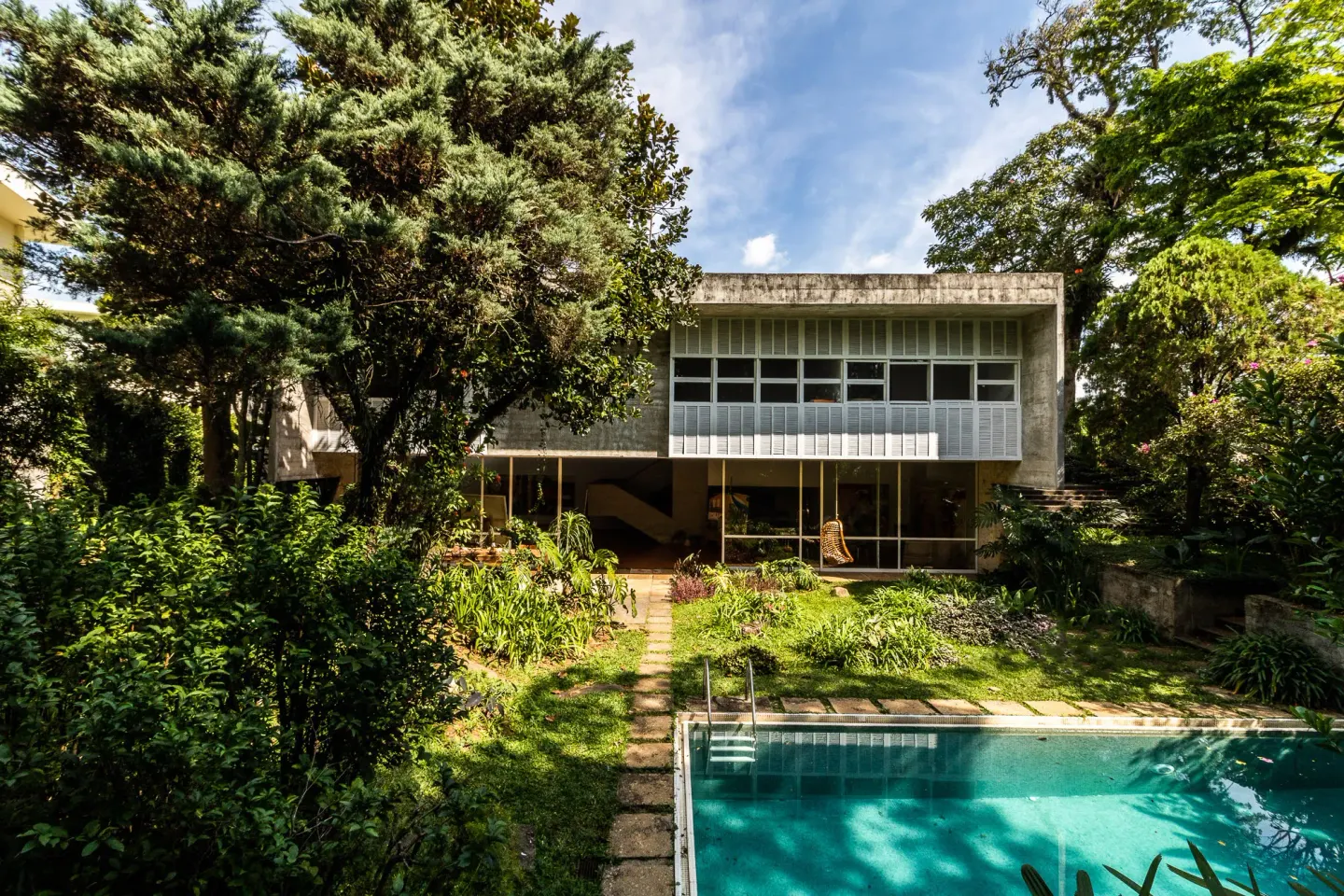
At Granja Julieta, in São Paulo, Domo Damo has been building this environment since 2023, hosting artists from different regions of Brazil and other countries in a house surrounded by greenery. By following research, experimentation and new productions, the space establishes a particular relationship with contemporary creation: rather than viewing the work as an isolated result, it is of interest to observe the conditions, dialogues and discoveries that make it possible. The closing of the residencies of Hiram Latorre, Kuenan Mayu, Paulo Assis and Novíssimo Edgar, celebrated in an Open Studio, made this shared dimension of artistic work visible.
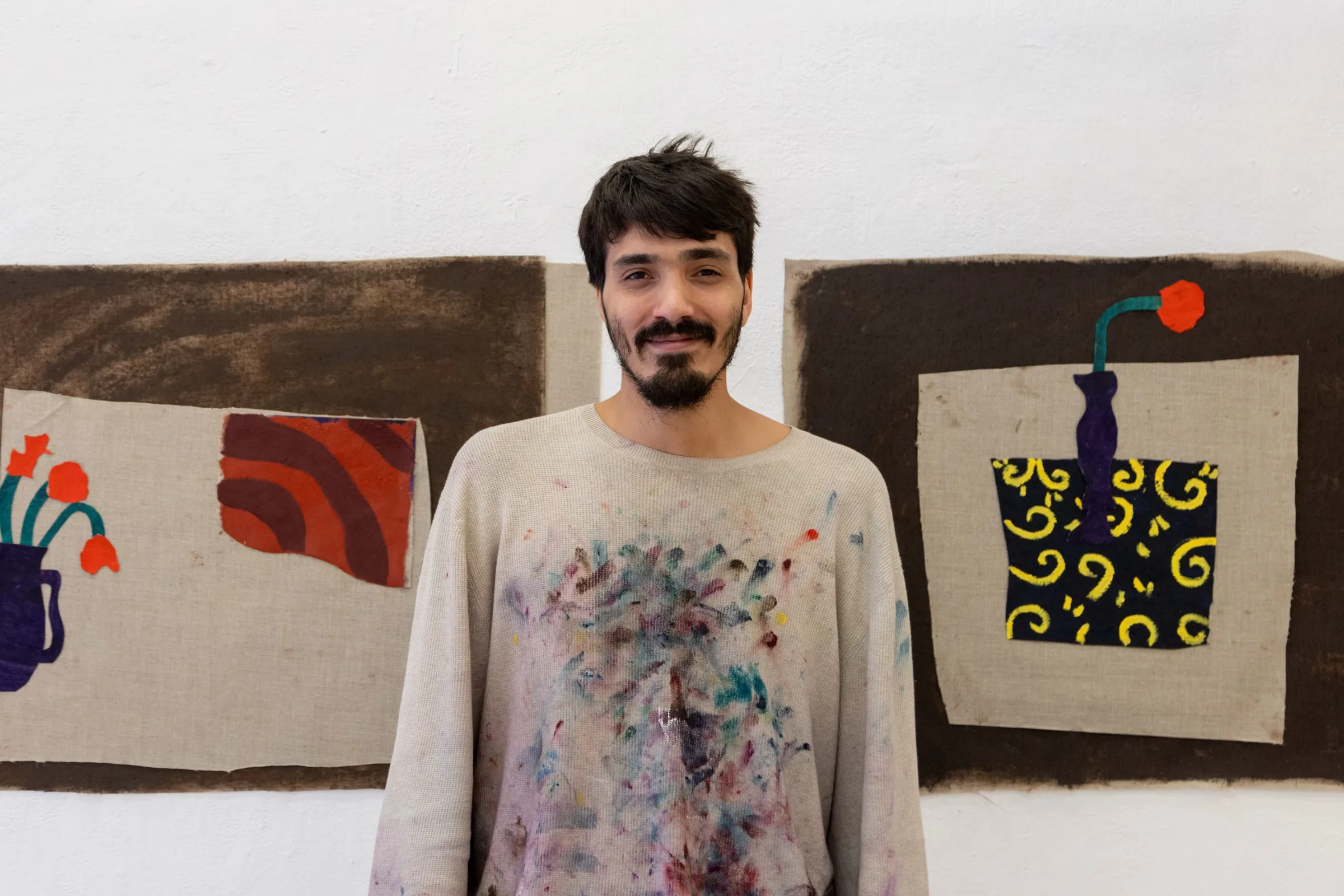
The research gathered at the meeting reveals the breadth of languages and perspectives that can inhabit the same creative space. Hiram Latorre, an artist trained in Architecture and Urbanism at the Escola da Cidade, develops a painting threaded with reminiscences of places and affective memories. In his compositions, references to art history, Matisse inspiration, modernist design and pop art meet Brazilian furniture, Oriental patterns and interior scenes that seem to belong simultaneously to memory and imagination. His paintings construct intimate atmospheres, in which still lifes and domestic spaces cease to be merely genres or settings and become devices of evocation. Within them lies a sensitive architecture of memory, made of objects, colours and relationships that transform the familiar into a possible landscape, albeit an invented one.
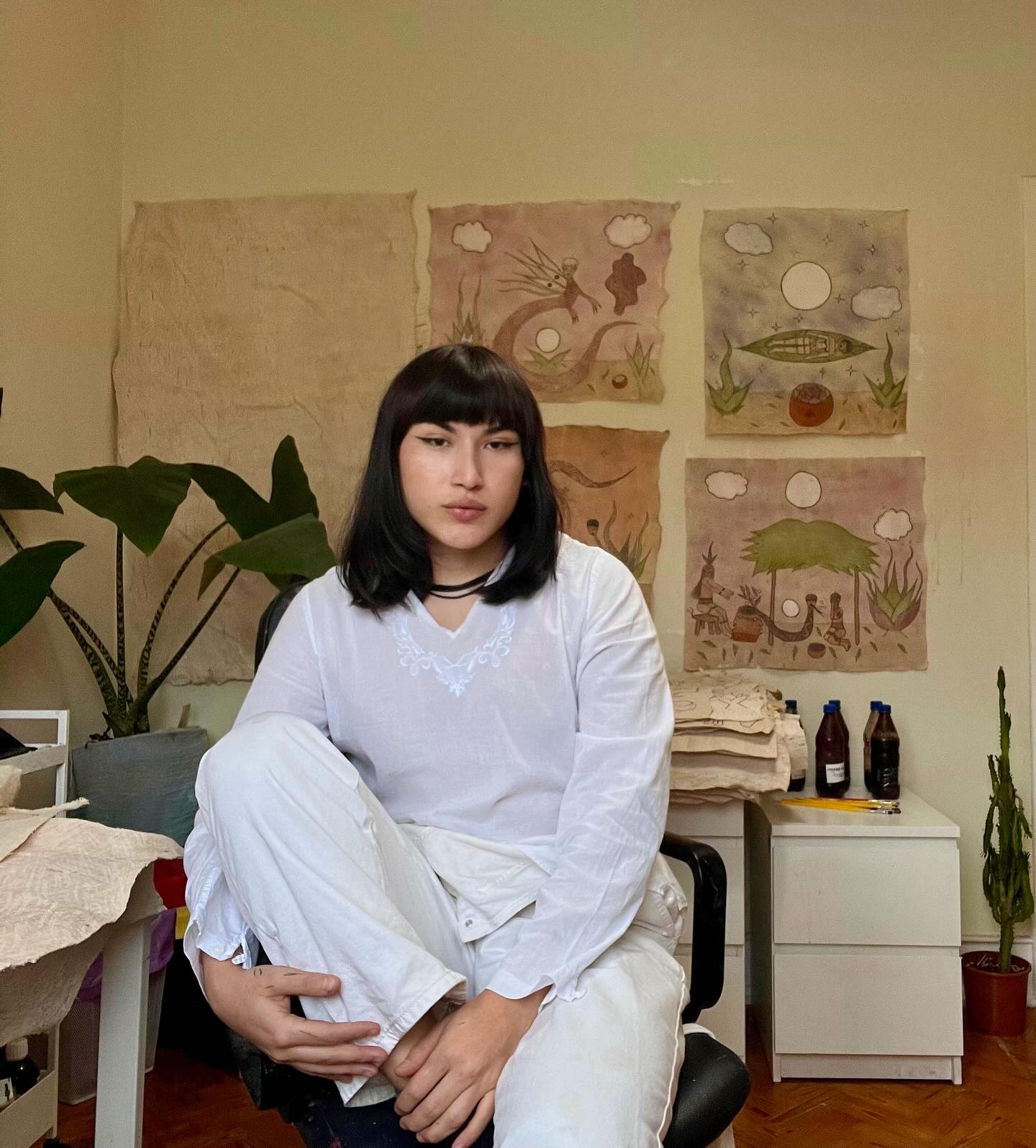
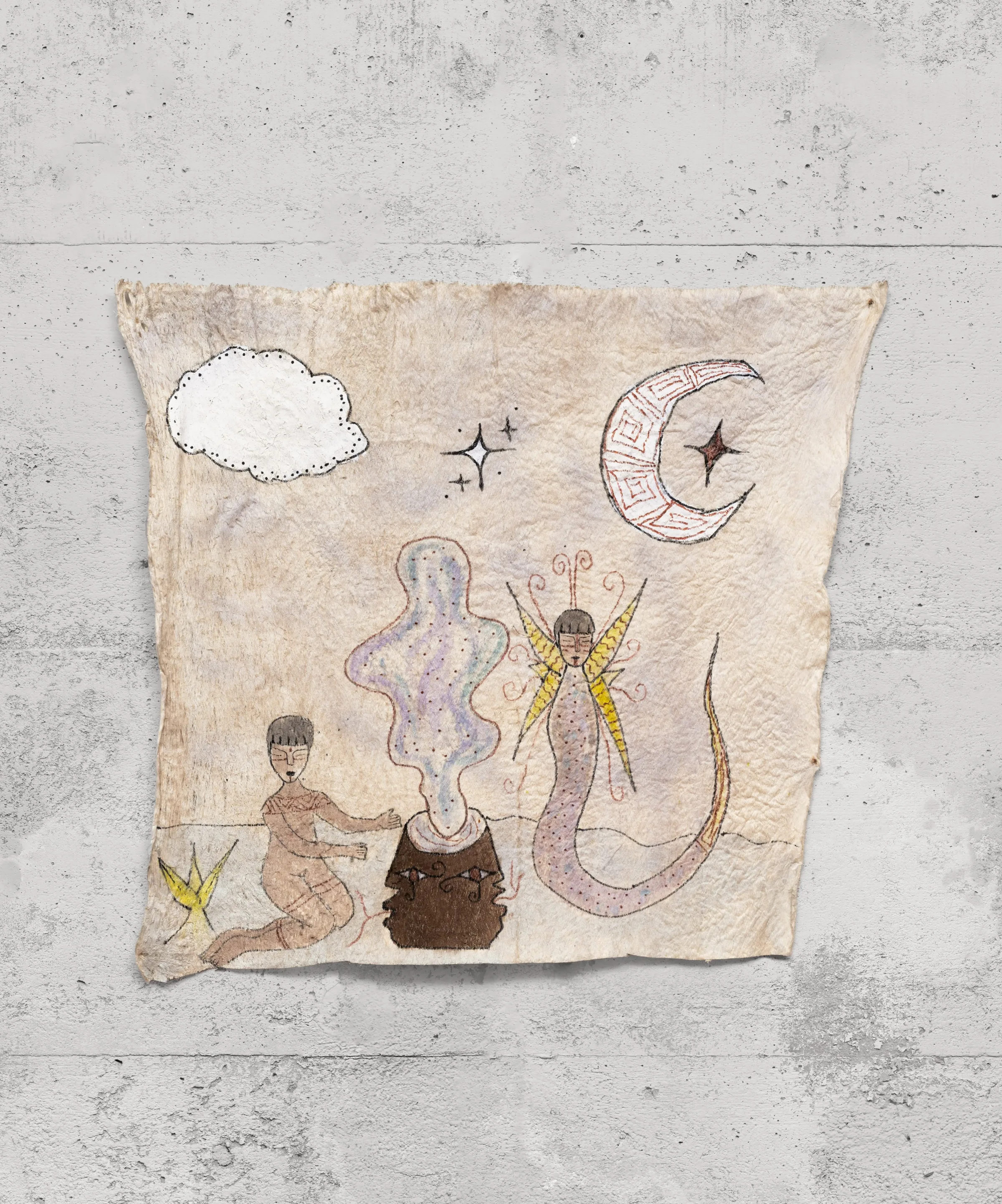
In another direction, the research of Kuenan Mayu, an indigenous Tikuna (Magü’ta) and Tariana artivist, draws on her peoples' cosmologies to investigate the relationships between matter, spirituality and territory. Through painting, installation and performance, the artist employs natural pigments, tururi and other forest materialities, weaving memory, enchantment and transformation. Her work affirms indigenous knowledge as contemporary forms of knowledge production and the imagination of possible futures, shifting colonial perspectives that have historically limited the recognition of these epistemologies. The presence of her research in the residency also invites consideration of materiality beyond a formal choice: matter carries relationships, ways of life and knowledge that are inseparable from the territories from which they emerge.
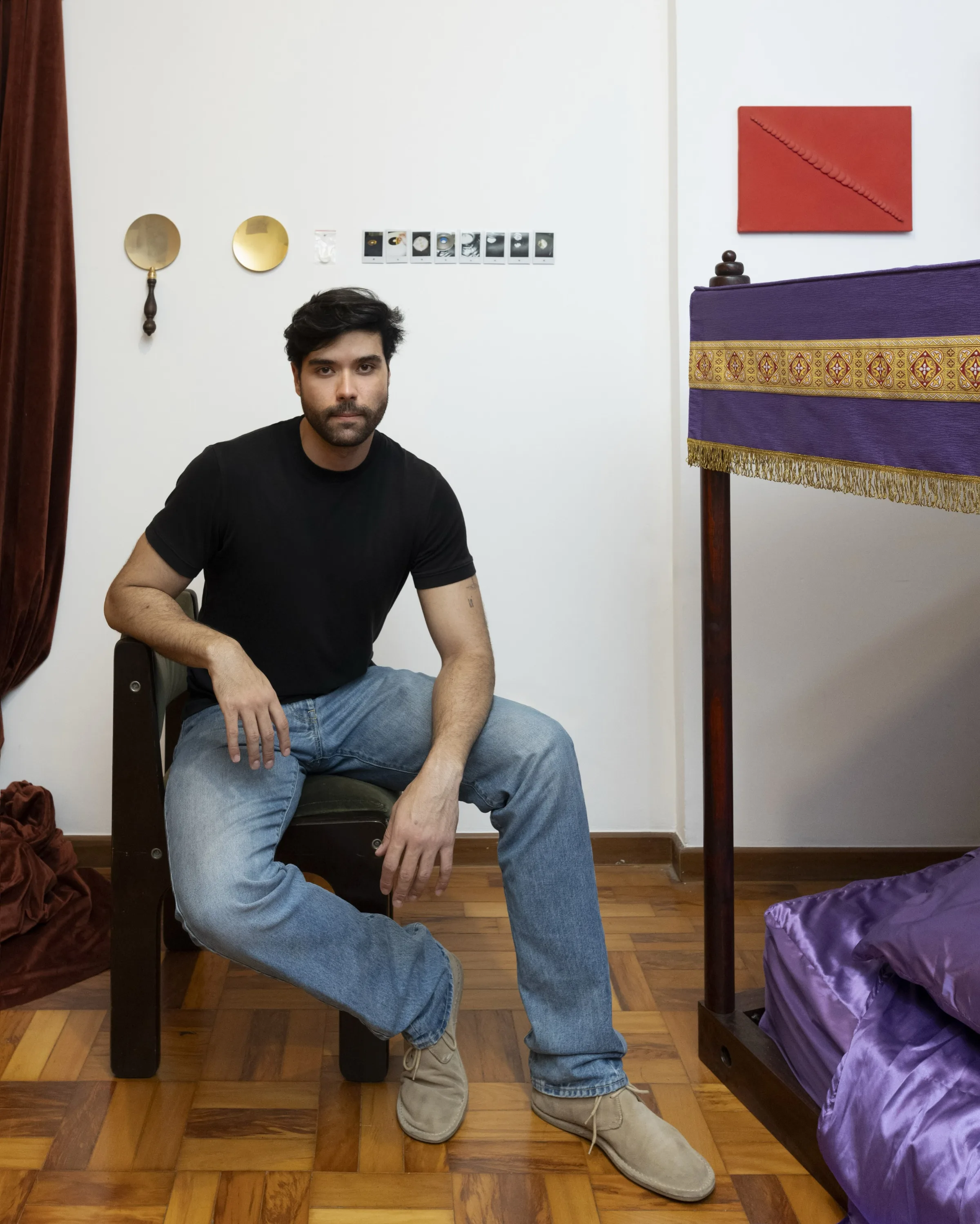
Paulo Assis's practice, in turn, brings together installation, performance and ready‑mades to observe the seemingly neutral structures that organize everyday life. Through minimal interventions on familiar surfaces and objects, the artist reveals fissures that expose power, care and control relations. Baroque architecture, pharmacology, biopolitics and Catholic rituals run through his investigation, especially in the series Ite, Missa Est, in which he develops performative masses to examine the affinities between the Roman Catholic rite and the economy of the national contemporary art market. Regarding Novíssimo Edgar's research, the information shared for this reflection does not provide enough detail to describe his language or his methods, but his participation is part of the group of artists who opened their studios to the public at the closing.
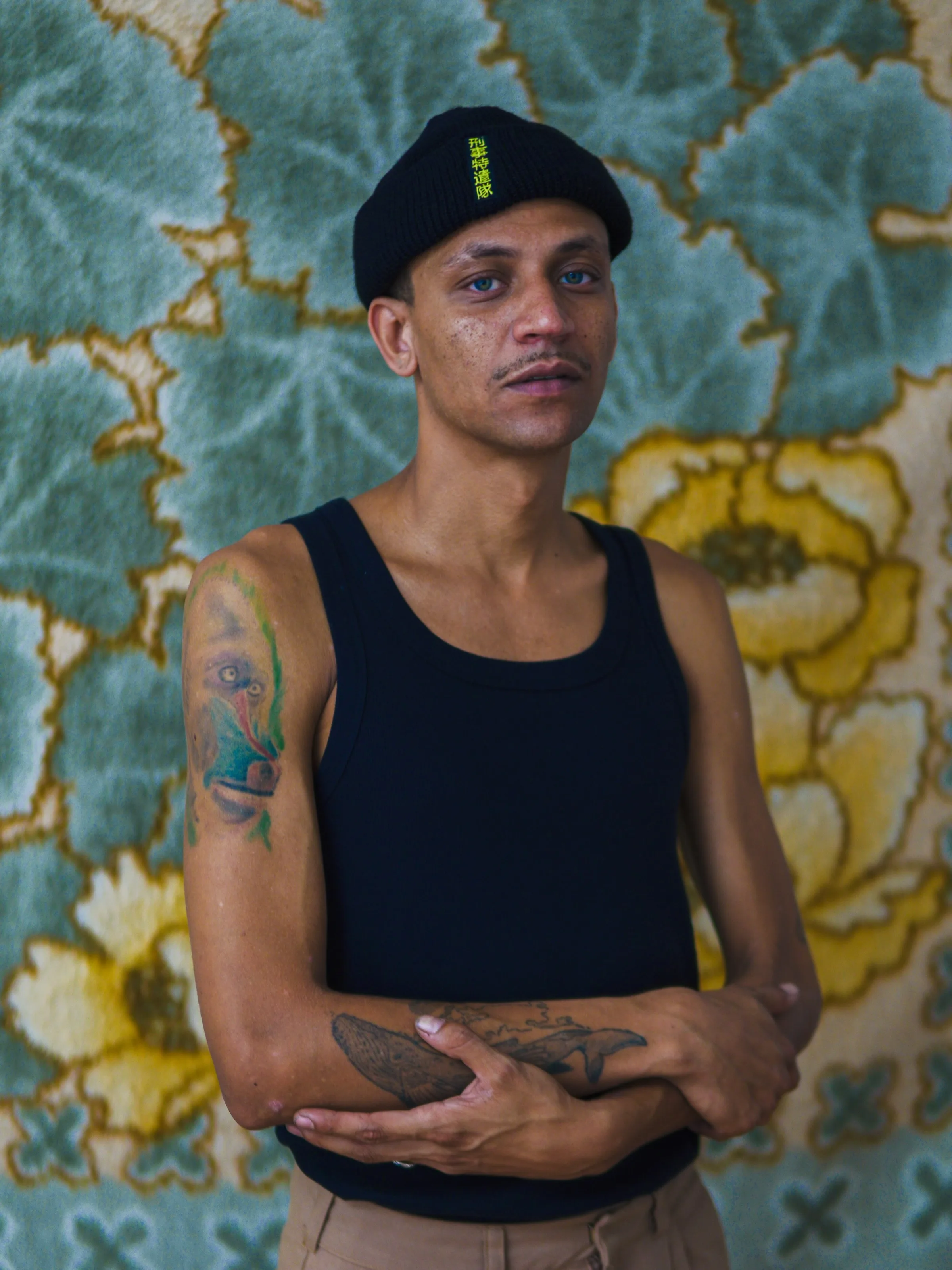
The newly emerged Edgar expands this field of experimentation by moving between poetry, visual arts and performance, exploring different media and languages. Born on the outskirts of Guarulhos in 1993, the artist’s interest in creation was sparked in childhood, encouraged by his mother, Dona Maria, who urged him to make sculptures, drawings and tile paintings. This background informs a restless, multidisciplinary practice that blends ancestral and technological materials in paintings, installations, performances, music, card games, books, films, games and NFTs. His work appears to reject rigid boundaries between disciplines, affirming the freedom to experiment as a creative principle and making multiplicity his own language.
While walking through the studios, observing materials, following investigations, and speaking with the artists, the visitor finds not only works in progress but also different ways of thinking and producing images, objects, and experiences. The residency reveals itself as a temporary territory of coexistence, in which distinct practices need not converge to a single language to establish relationships. Perhaps one of the most interesting contributions of initiatives such as Domo Damo lies in recognizing that creation also depends on time, listening, and availability for the encounter.
Complete TV · Reels
The sonic geography of the Atlantic turned into image and space.
See on InstagramFrom Complete



More from Sarah Rocksane Araujo
View profileLatest from Complete
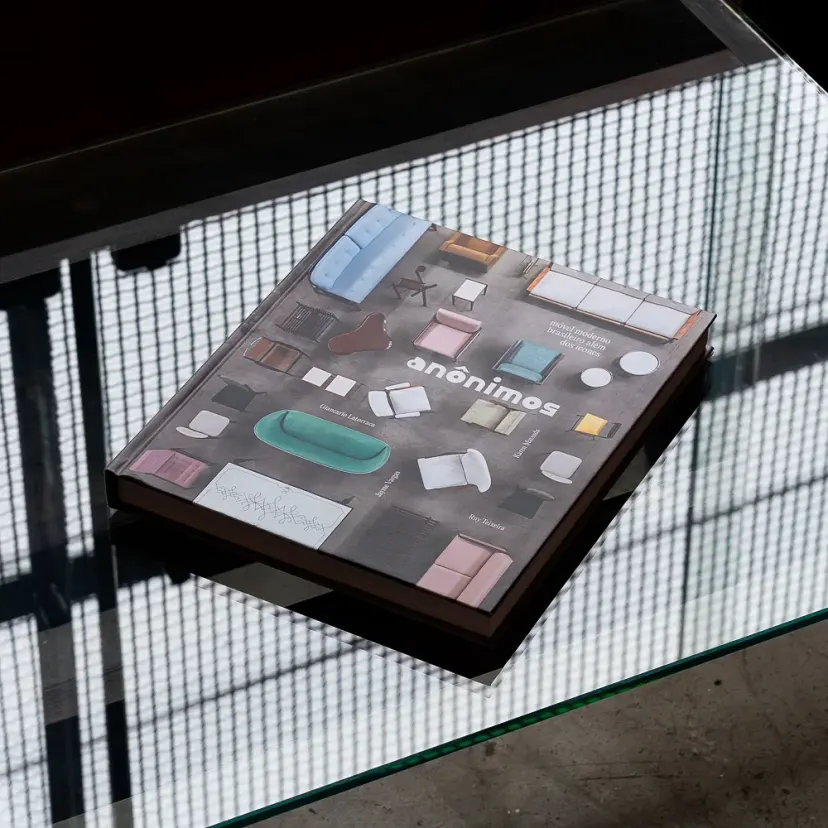 CultureComplete Review: Anônimos, by Giancarlo Latorraca
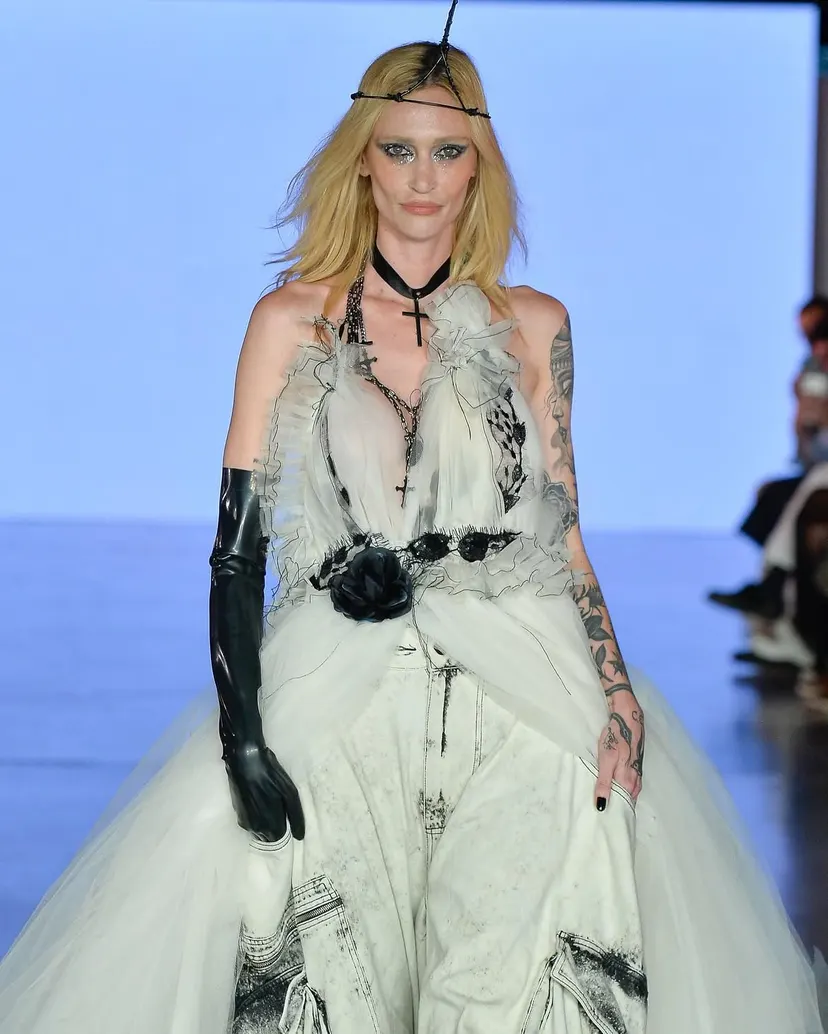 FashionCasa de Criadores 58: Authorial fashion as expression
 The CoverIn the beginning, we couldn't even use the word handicraft.
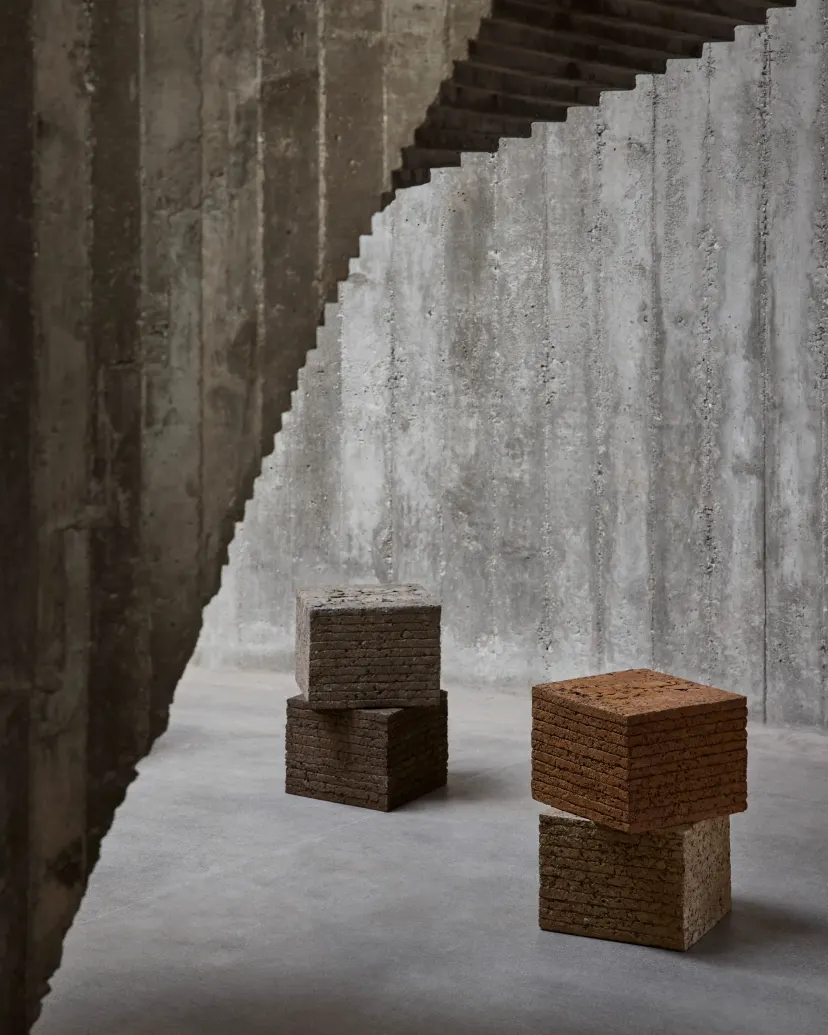 DesignCASA presents the exhibition of the 10th Brazilian Object Award
 BeautyAbeille Royale: the science of longevity conquers Brazil
 The CoverBrazil still gives little recognition to genuinely Brazilian authorial fashion.
 InnovationDiego Fernandes and Indiqz: the list of recommendations that was born in the early hours, with a child on his lap