
In the beginning, we couldn't even use the word handicraft.
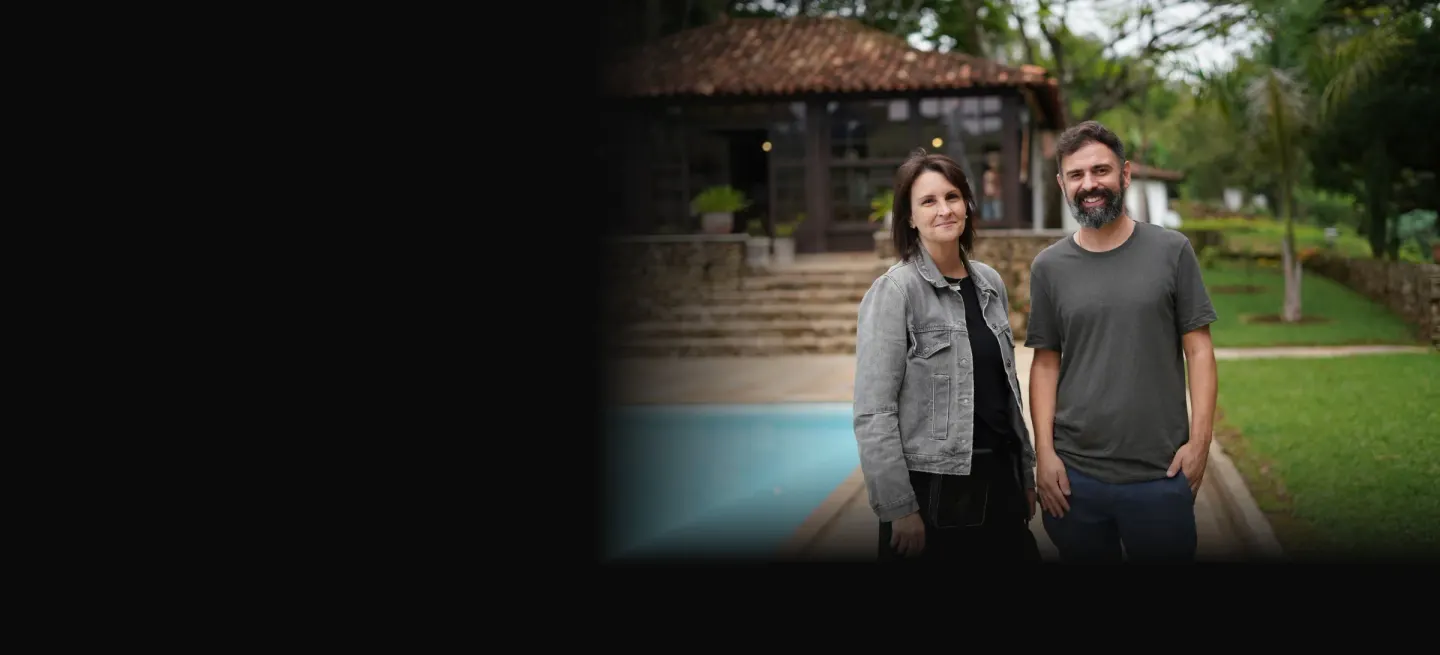
A journalist who spent twenty years in the newsroom and a cultural producer born in Tiradentes created, in 2017, a festival that no one thought possible. In the 10th edition of the Tiradentes Creative Week, from October 15 to 18, Simone Quintas and Junior Guimarães tell Complete how they convinced the luxury market to hit the road.
Words by
Words by Caíque Nucci
Editor-in-Chief · October 14, 2026
The conversation with Simone Quintas and Junior Guimarães took place via video in September. He was born in Tiradentes; she returned to the town whenever work allowed. Together they curate the Tiradentes Creative Week, now in its 10th edition from October 15 to 18.
“It had to happen,” Simone sums up. “There’s no explanation.” The interview shows that there is indeed a method, and it resembles that of an editorial office: choosing the right word to present craft to a market that didn’t know how to name it, deciding who sits at the table, knowing how far to grow in a small town. The idea was unlikely, the funding was limited, and what kept it alive were personal relationships.
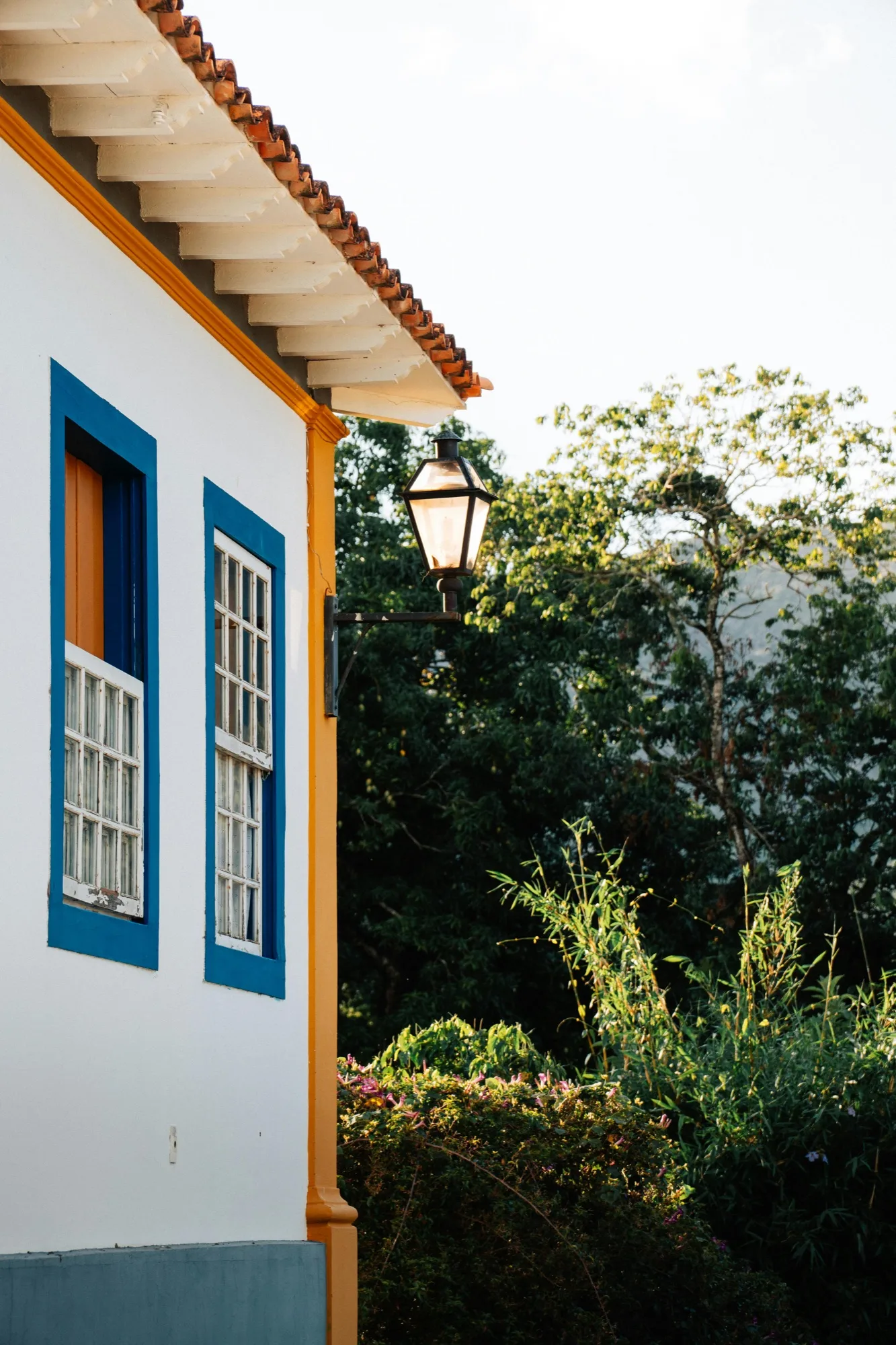
A dinner in Tiradentes
They met through a mutual friend, who owned a restaurant in the town and often hosted groups of journalists. Simone was the editor-in-chief of a magazine, a position she held for twenty years, and she came to Tiradentes whenever she secured a story. Junior, a native of the town, lived in São Paulo and had just quit his job. He was going through that sabbatical period when one tries to decide what to do next.
The friend invited him to dinner because he knew the house’s history and could share the table with half the group. “It wasn’t by chance; we sat next to each other and had a good conversation,” recalls Junior. They talked about Tiradentes, about houses, about his work in cultural production. There was also a second meeting, at the editorial office, to see if he could collaborate with the magazine. He couldn’t, because what he did was a different kind of production. “We kept that good memory of each other.”
During that time, Simone began to ask a question. The city, with about eight thousand inhabitants, already hosted festivals of cinema, photography, theater, art and literature. “I kept wondering: how can there be no festival focused on crafts, which is such an important pillar of the city?” It was a topic she had been following for years in an architecture and design magazine, at a moment when some Brazilian designers were beginning to bring craft closer to design.
Her husband teased her about her desire to move. “What is a journalist going to do in Tiradentes? There’s nothing for you there.” She kept nurturing the idea nonetheless, until the digital transformation of magazines made the decision feasible. “With digital coming on strong, I finally found the courage to leave. It was twenty years, a long time. I loved what I was doing.”
The missing producer
When a conversation with designer and architect friends showed that the festival had a chance, Simone ran into a practical problem. “Damn, I’m not a producer,” she thought. And she knew that producing in a small town was something else. “You don’t just call a company that supplies material. It’s largely based on relationships with people.”
She remembered Junior. It had been three years since they last saw each other, and they had met only twice in total. She insists on sharing authorship: the festival as it exists today was built by both of them. The first idea stemmed from an almost innocent desire of hers to live in Tiradentes; the concern for the place came from him. “Junior brought a lot of that, in the way of occupying the city respectfully.”
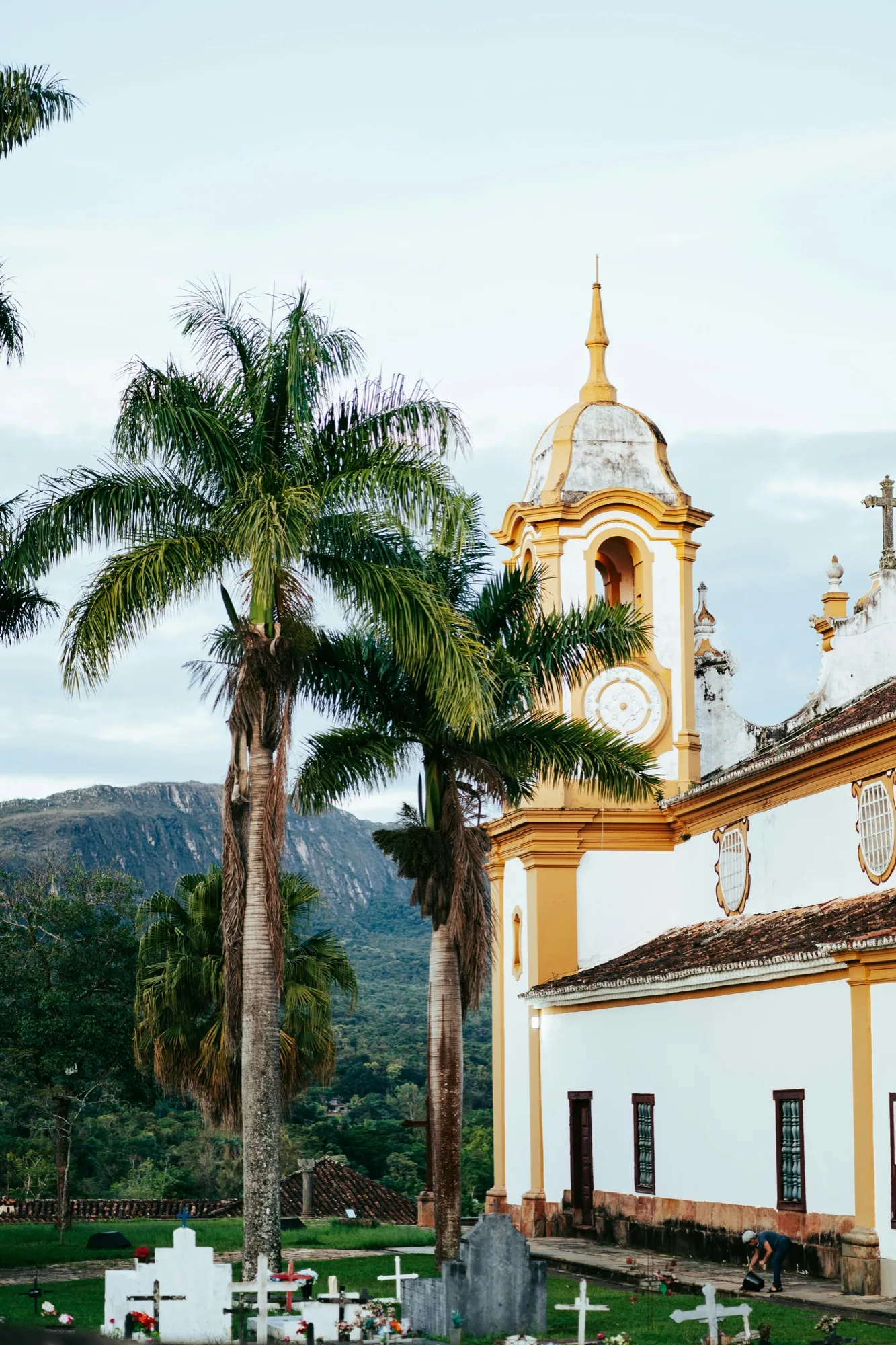
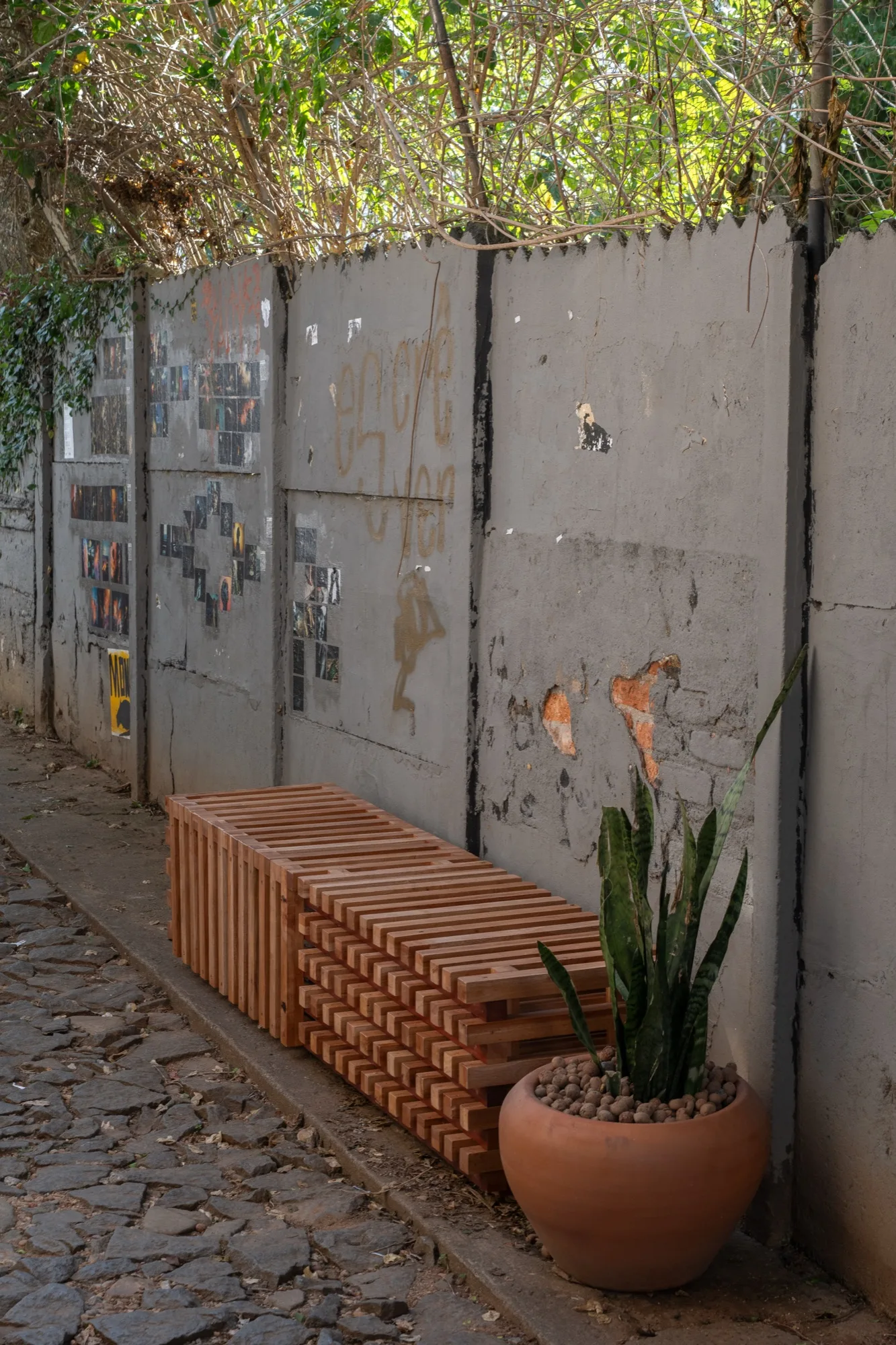
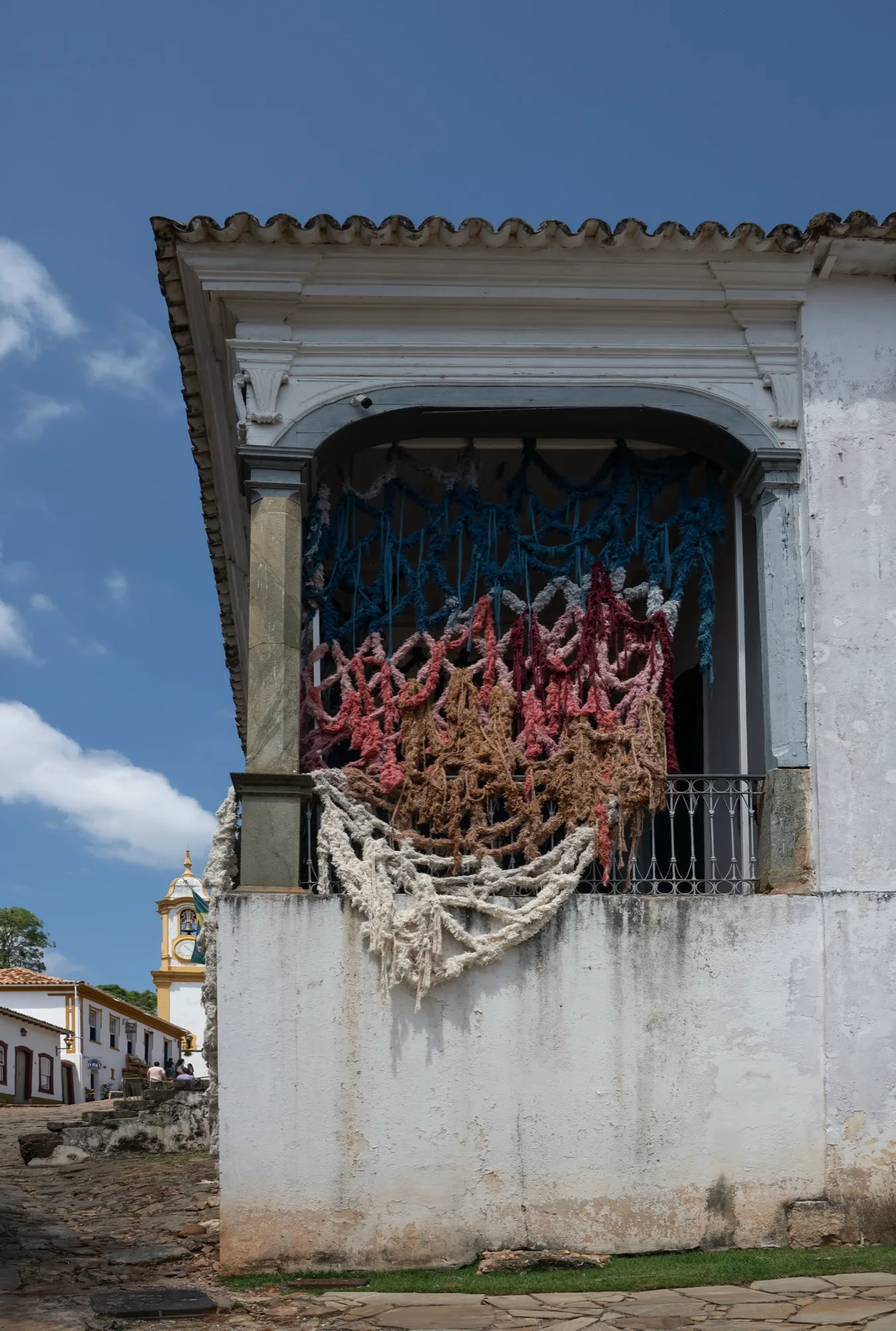
Handmade design
I ask whether it was difficult to attract sponsorship for the first edition, which took place in 2017. “No one believed it,” says Simone. Whoever could sponsor, she recalls, “thought we were completely crazy.”
Junior explains the resistance due to the profile of the audience they wanted to attract: a luxury market accustomed to architecture and decoration events in the capitals, an hour’s flight from the office. Tiradentes had no regular flights; today it has them again, but only with a small plane. “No one believed that this market would come by bus or driving their car, on a road that isn’t always that good, to reach an interior event that talks about crafts.”
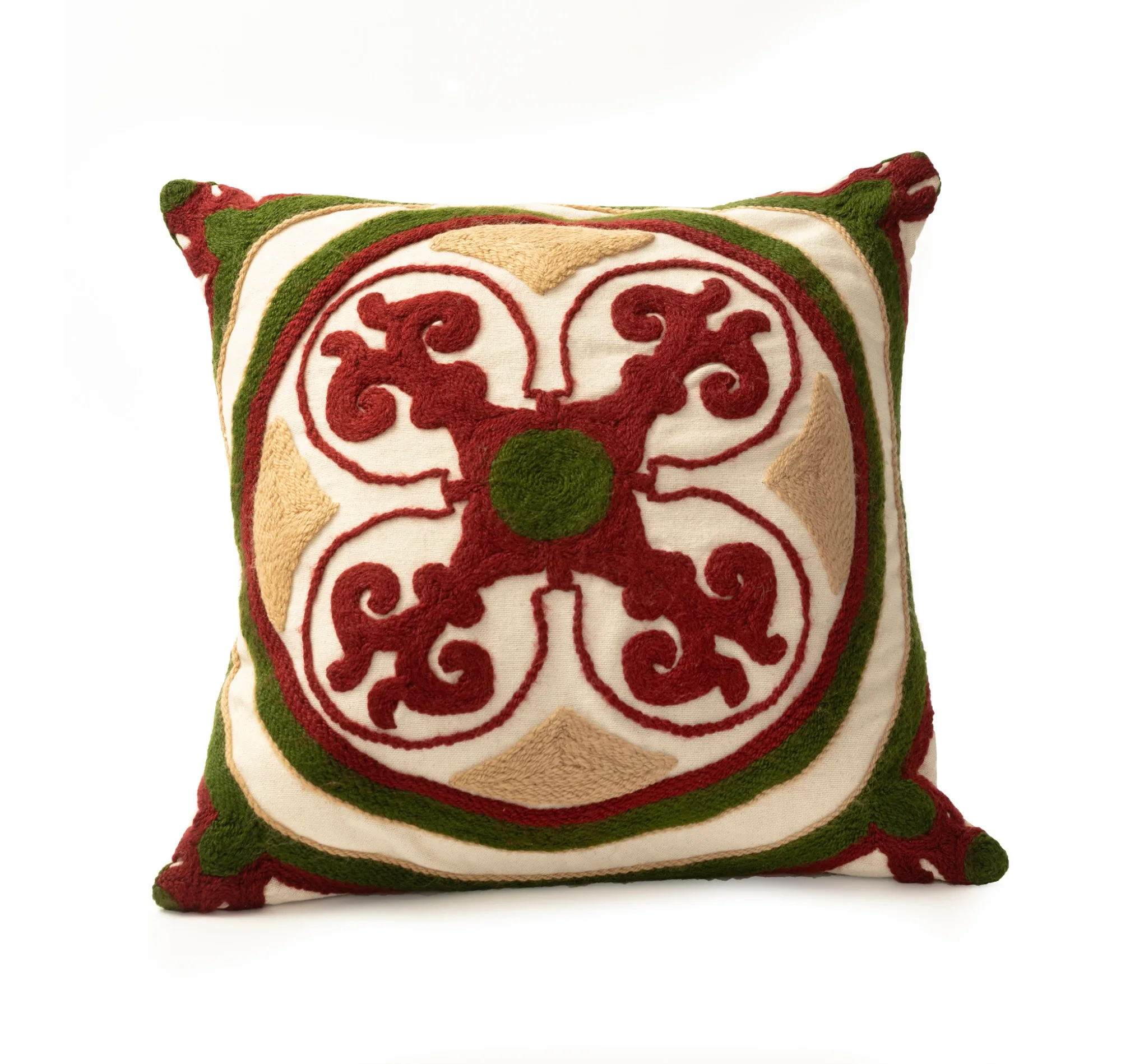
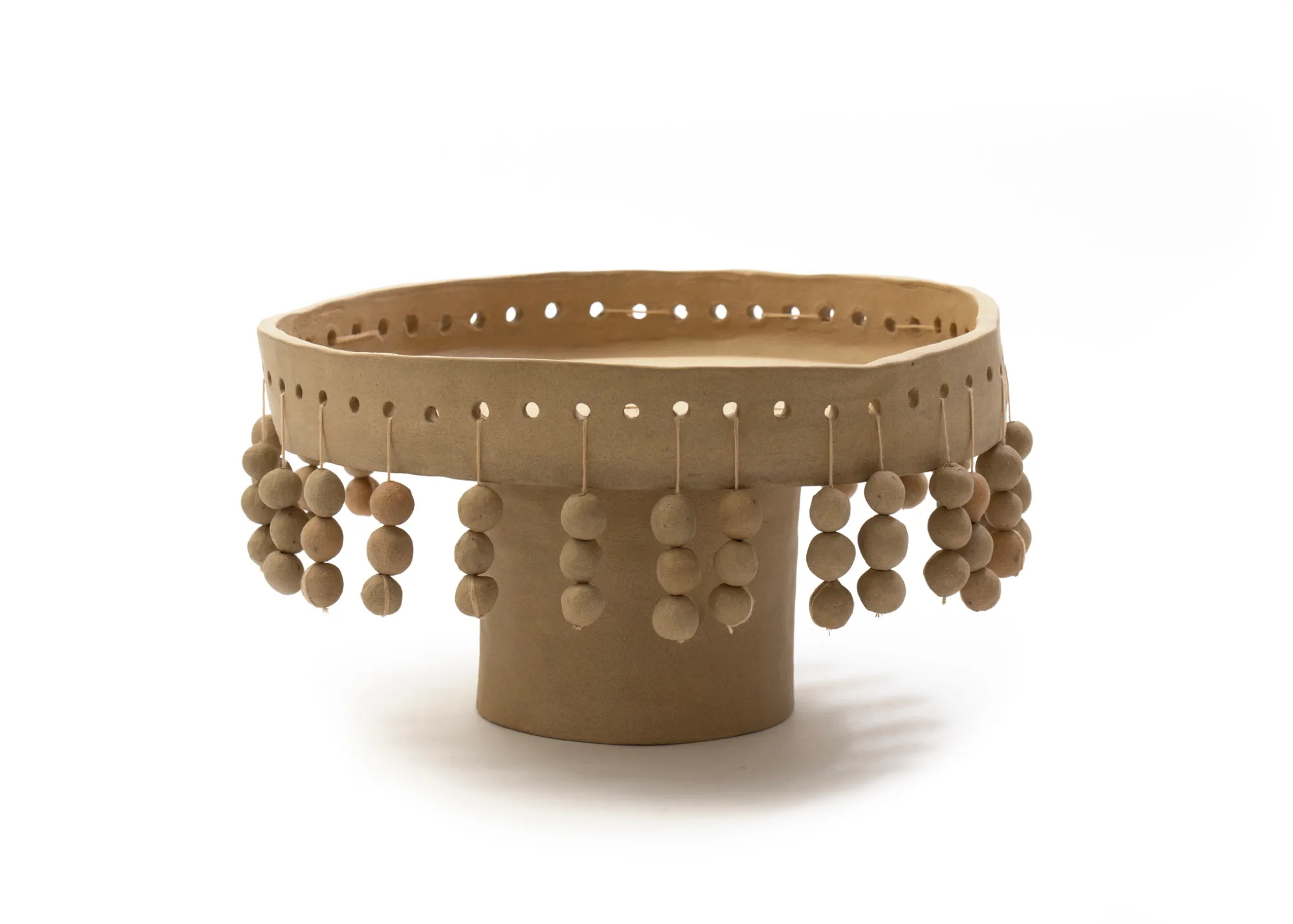
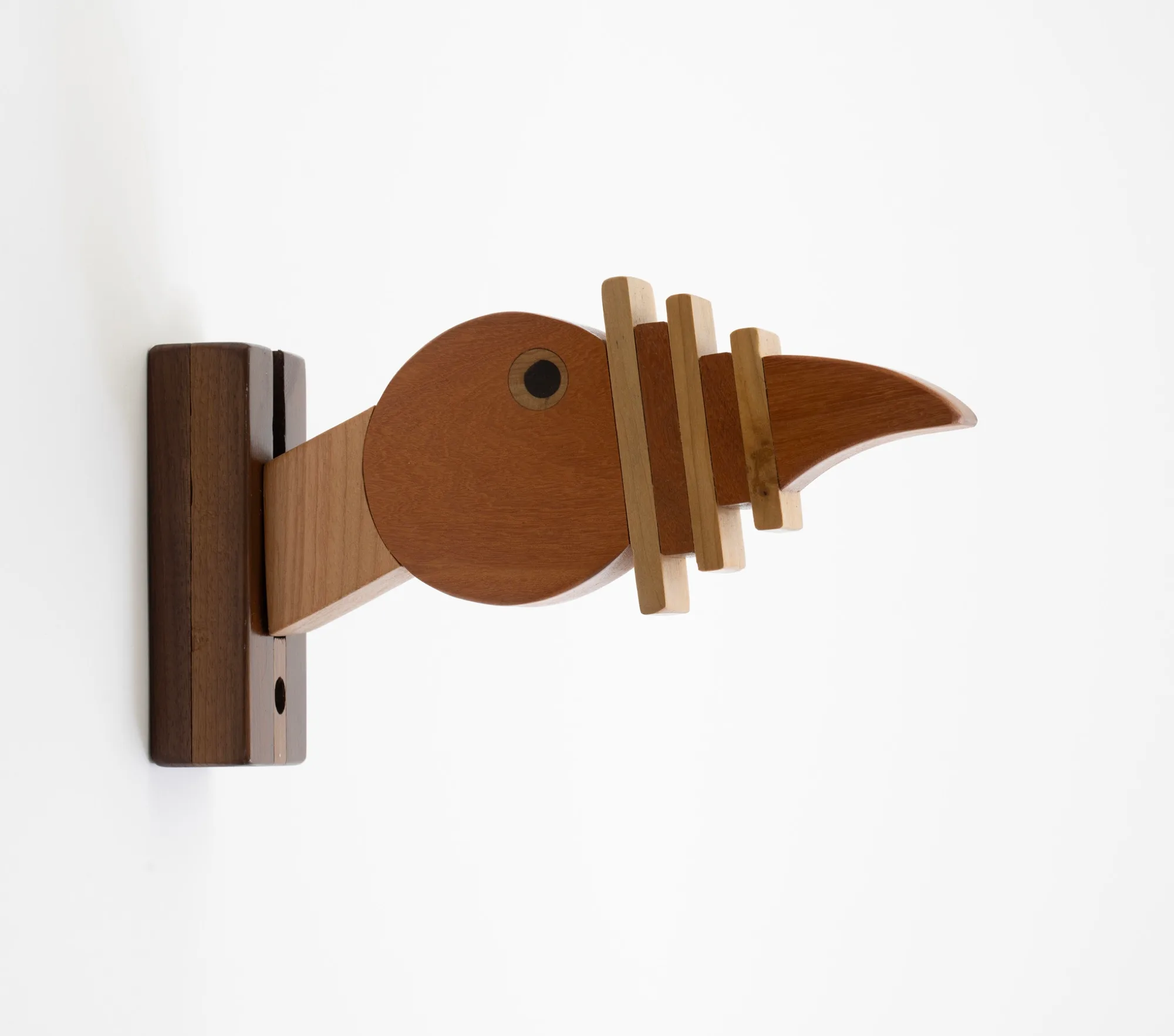
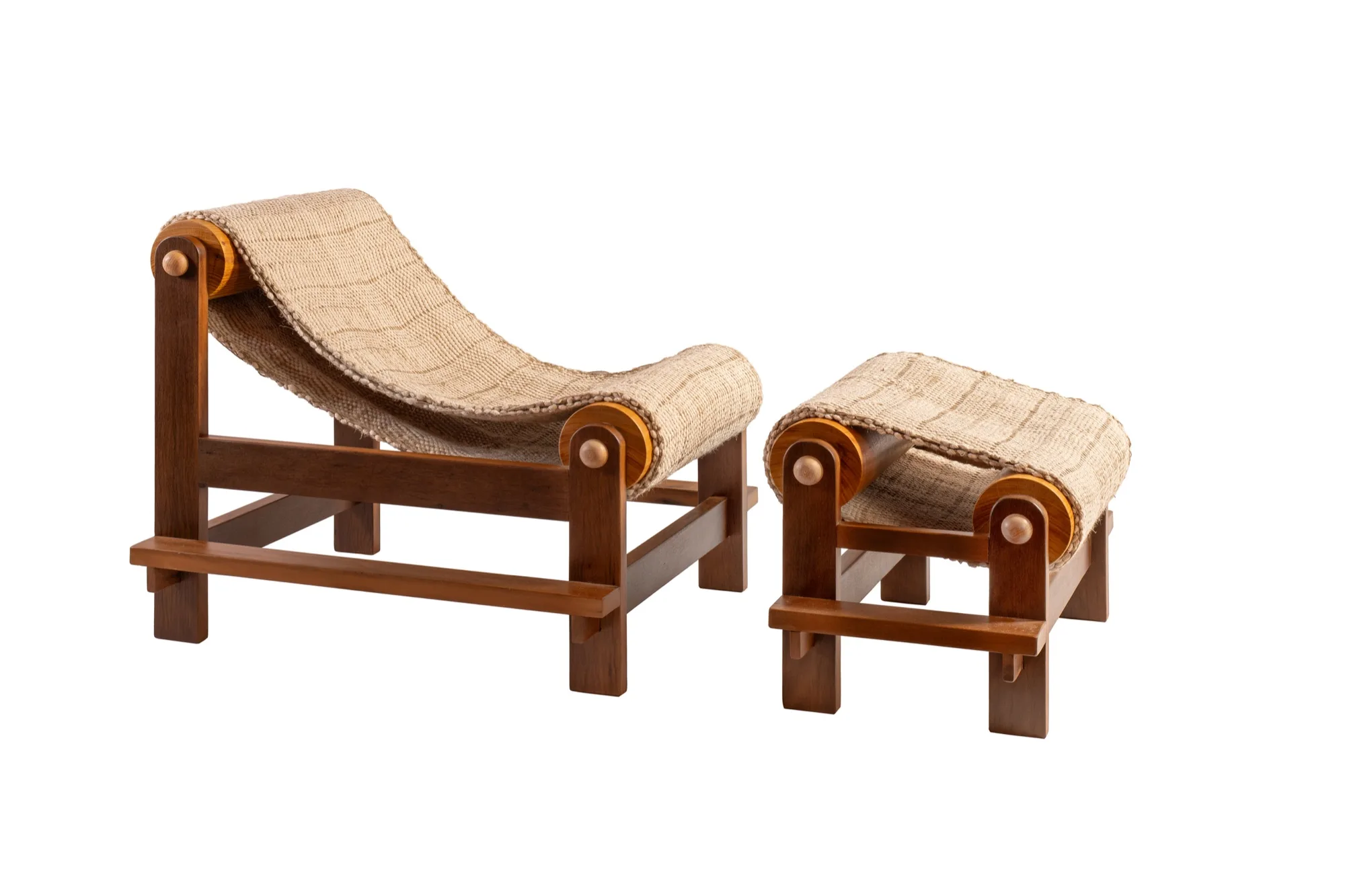
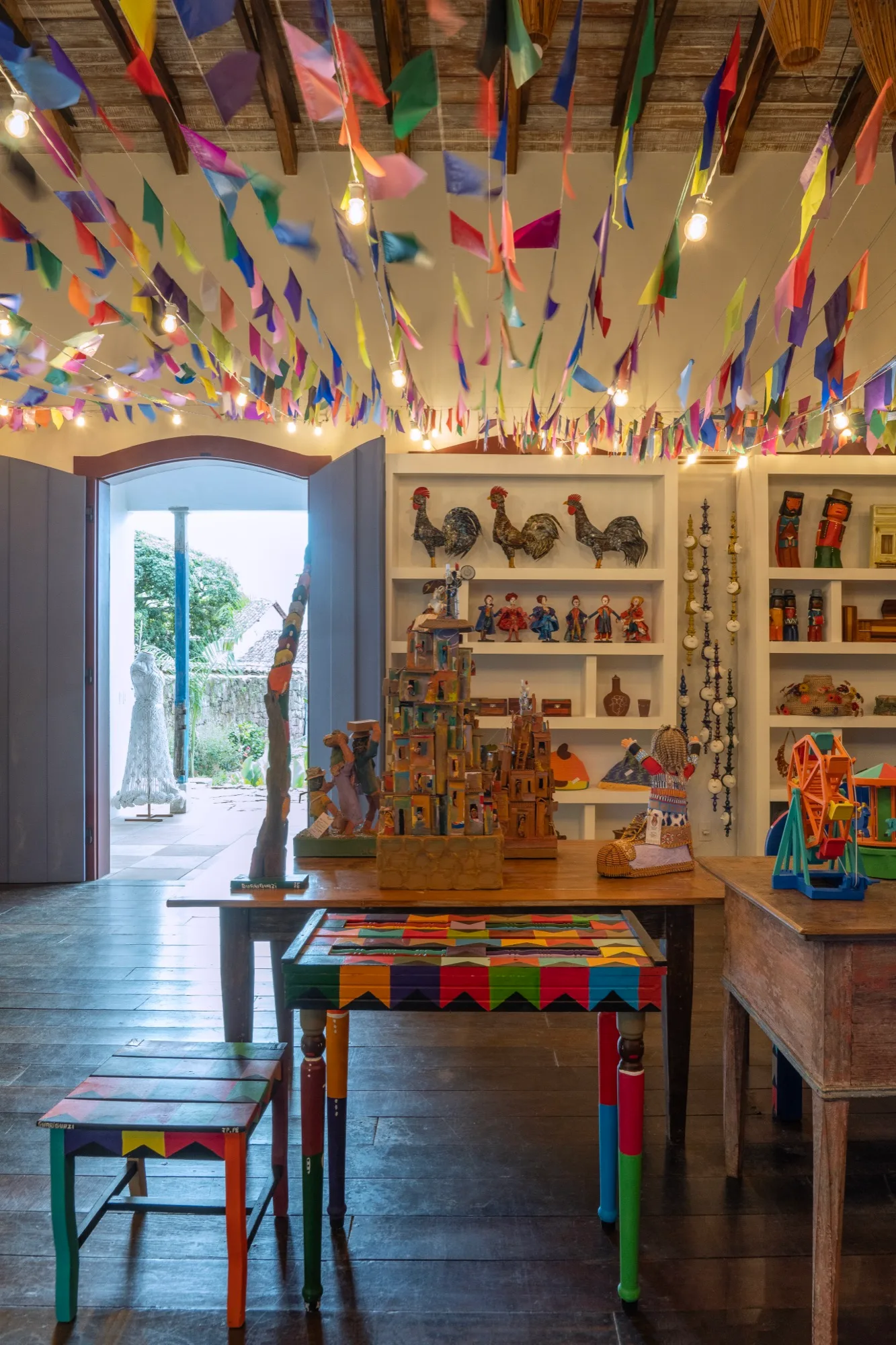
The very word was an obstacle. “At first, we couldn’t even use the word craft. We used handmade design. We talked a lot about design.” Junior notes that it wasn’t just a strategy, because design truly served the craft in this process. The vocabulary, however, reflects the prejudice of the time. “People could talk about the coolest designers from anywhere in the world, but they didn’t know how to name a master craftsman from Brazil,” says Simone. “It was also a literacy effort for that audience.”
The first year launched with what she calls “a ridiculous sponsorship,” enough to keep the festival minimally afloat, and with the network she brought from the editorial staff. Fresh out of the magazine, she was constantly approached by people from the market asking what she was going to do. She told them, invited key people, and those people spread the word. “It was a tiny‑ant kind of work.”
Today, observes Simone, there are “thousands of words” to say that handmade is luxury. “But ten years ago, which isn’t that long, this wasn’t being said.” Junior recalls that, at the end of 2017, after the first edition, a trend report identified handmade as a trend. “We arrived at the right moment.” And there was, according to him, a collective need: “Look inward, because we have always looked outward.”
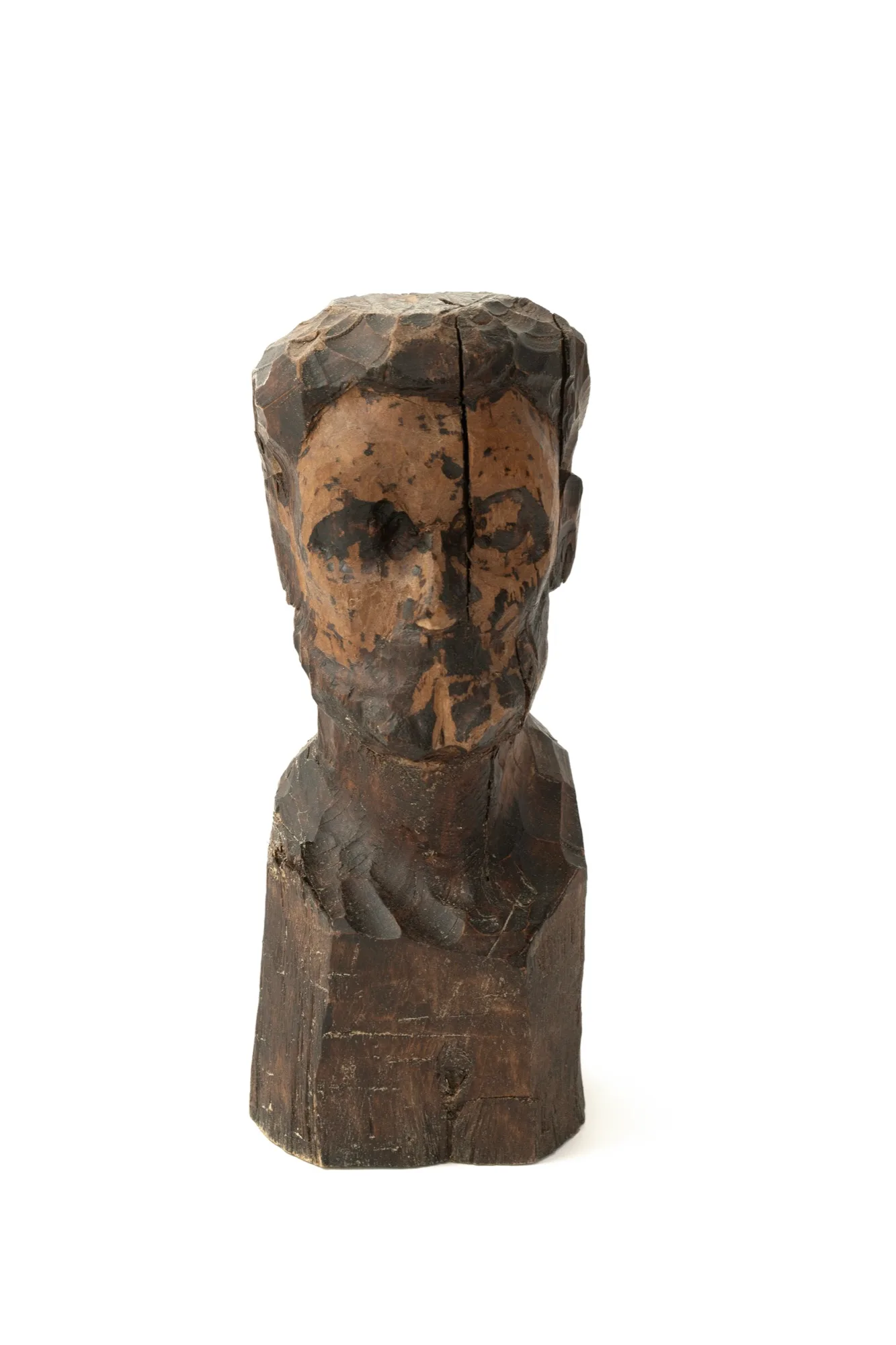
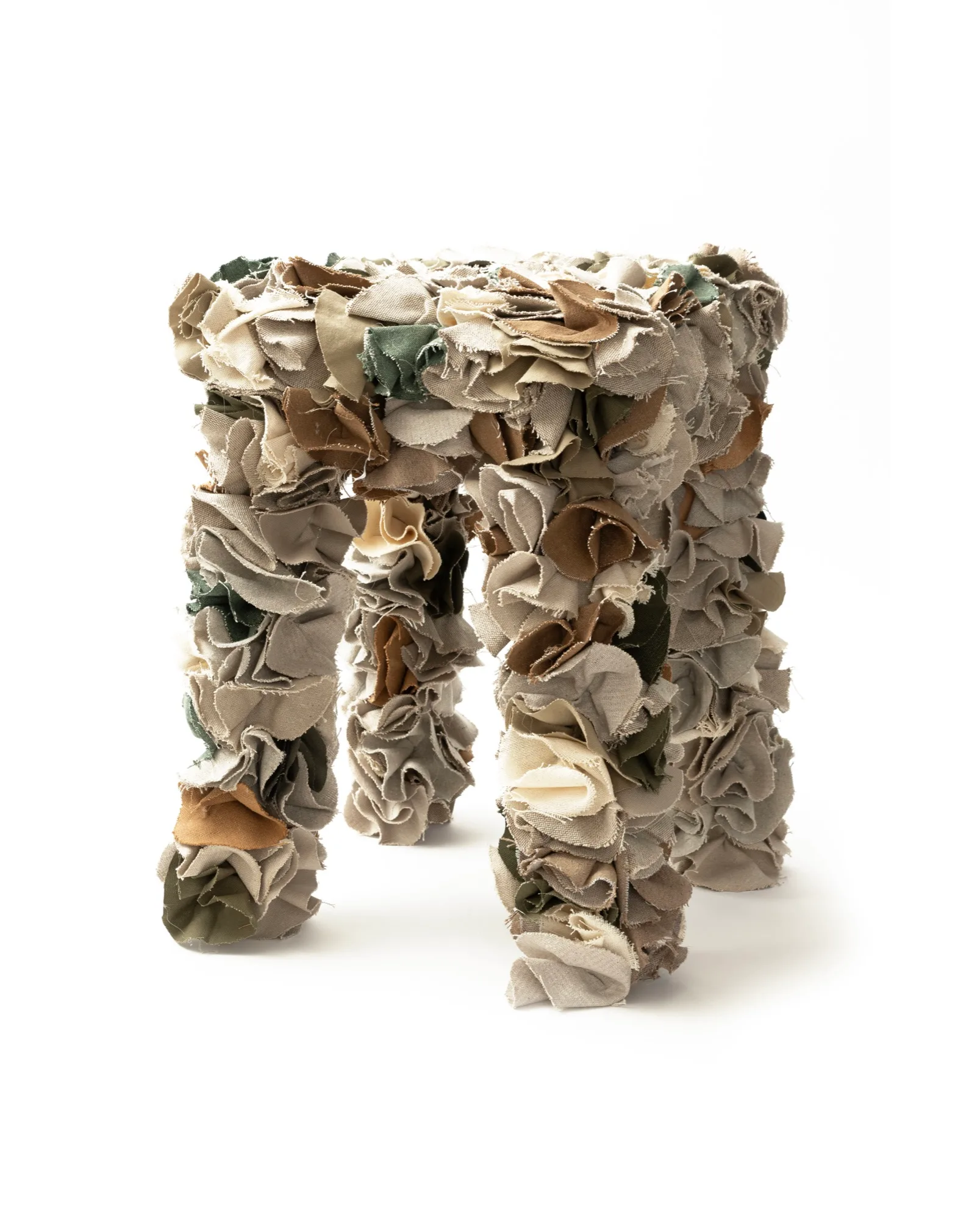
A school without a fixed model
The first ambassadors of the festival were the artisans themselves, who recognized there a process different from the institutional models they had already participated in. “Some people came and told us: what you’re doing is a school,” Junior recounts.
He attributes part of the audience’s interest to a refusal to crystallize the format. “We never created a model and said: it has to be like this. Many times we’re reflecting on how to change, on how to break, on how to change the logic.” He insists on separating that from amateurism. What the festival grants itself is permission to experiment.
The edition that was going to overflow
I ask how the Week got through the pandemic. The fourth edition, in 2020, would have been the breakthrough. “The festival grew in content, grew in audience,” says Junior. “The moment we were going to overflow was this fourth edition. Then the pandemic arrived.”
Standing still was not an option. “If we don’t do anything, we’ll disappear, we’ll be swallowed up,” Simone recalls. The festival had gained visibility, but it still lacked the strength to endure a year in silence. They moved online, with talks, guests and even a guided tour of the city streamed from the street, where the internet didn’t always cooperate.
The Creative Week is virtually entirely free to date; only a few workshops charge a fee, because they involve artisan fees. That year, they charged for online participation. “And people paid. We were surprised. They paid because they wanted it to happen.” The money, Simone admits, made no difference. What mattered was “not leaving people’s memory.” The only project put on hold was the series of meetings between designers and artisans throughout the year, which resumed the following year.
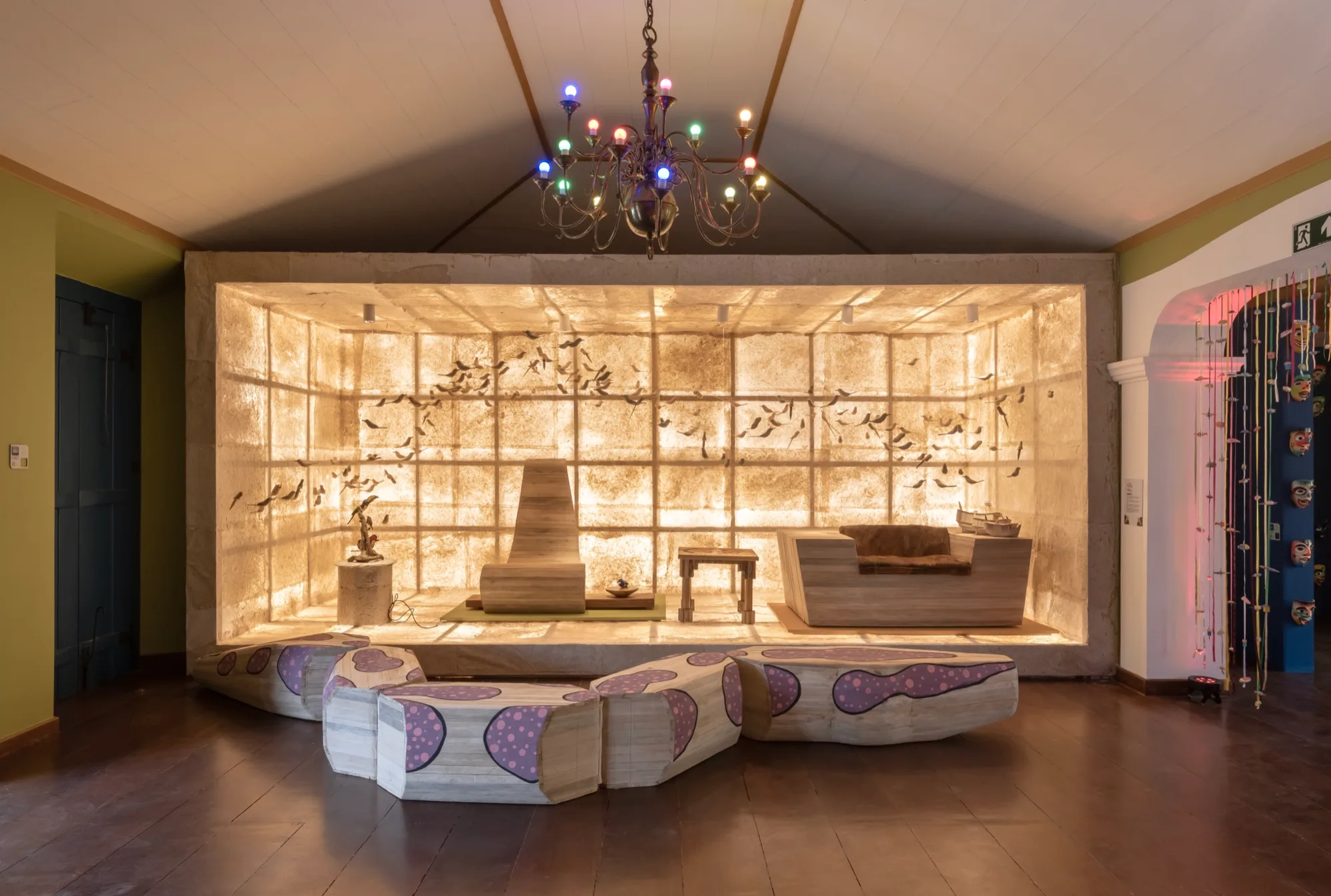
Since then, digital has become a central tool. “We are in the deep interior of Minas. Our greatest ally here is digital.” The festival’s profile gathers about 73,000 followers, acquired, according to her, organically, by word of mouth. There is room to grow, but cautiously. “If we make the city too crowded, you won’t be able to experience it. You won’t be able to get around, you won’t find a seat in a restaurant. We want to grow, but we know there is a physical limitation to that.”
The editorial learns to sell
I ask what the journalist took from the editorial to the festival. Simone defines herself as a professional from a time when editorial and commercial departments did not mix. When magazines began to lose space and the commercial side started approaching the editorial to create events and projects with brands, the reaction was shock. “At first, I was very angry, I thought it was absurd. But later I understood it was a way to make possible editorial projects I wanted to do.”
This learning, she says, was what allowed her to ask the right questions before the festival. "Who will pay for this? Why would anyone pay for this?" And to find answers "without interfering with the purpose of the festival." Even so, she does not see herself as a salesperson. "I still have a huge difficulty selling. Junior and I are not from that side. But we learned, and had to learn."
The question of the first list
In the first edition, Simone put together the guest list, and Junior returned it with a question: where were the black people in that curation? "I died of shame. I said: you are right." The worst, she adds, is that no one in that architecture and design market cared to think about it. The correction started there, and today the festival has a person dedicated to helping with that curation.
When I ask Junior to tell where the question came from, he goes back to 1998, the year of his first professional production job. In São Paulo, he went through Casa das Caldeiras, a project that discussed identity, territory, and body and that hosted, among other initiatives, the Feira Preta. Junior was not part of the fair, but he mingled with the conversations, and with the posters spread around the house: "Where are the black people?" Then came the approach with dance and five years at the Centro de Referência da Dança, where he learned to distrust programming with a black company just to have it on the list. "Almost tokenism. Just to say there is one."
In Tiradentes, the same logic applied to the relationship with the city. There were criticisms of festivals that added little to the community. "We talked a lot about how the city is included in the festival's thinking, so it doesn't become another place that arrives, happens, leaves and leaves no legacy beyond the accommodations, the economic side."
For Junior, returning was an old project. "I didn't want to come back to have a business, a restaurant, a guesthouse. My dream was to be able to return and do something transformative." He cites a friend, curator Daisy de Brito, who used to say: "Junior, we need to change the logic."
The hand in two moments
When I ask about artificial intelligence and new technologies, they do not position themselves against technology. “That’s part of the future,” says Simone. “There’s no point in trying to live the way things were done back then.” The purpose, she explains, is that old knowledge does not get erased, and that does not require saying no to what is happening now.
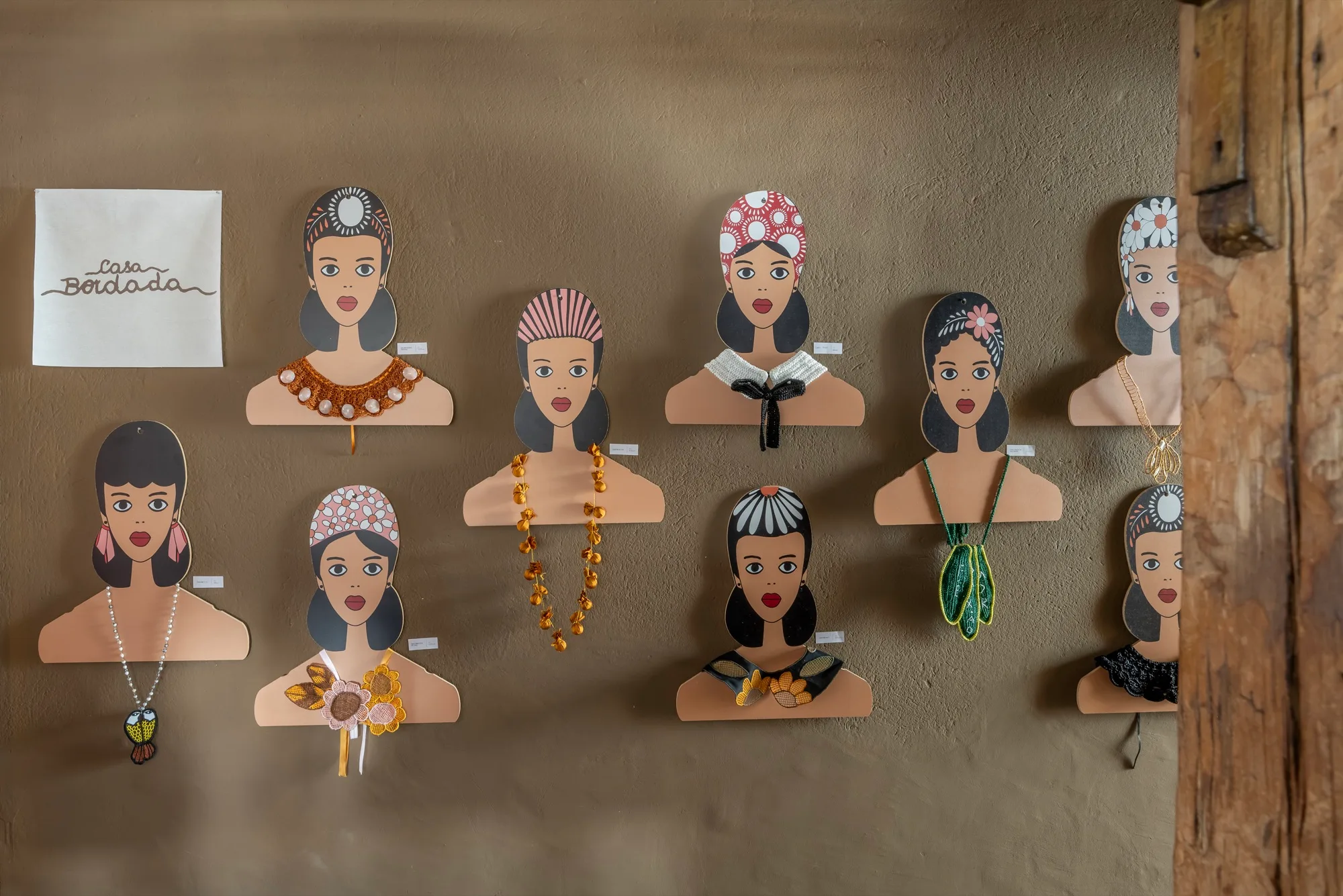
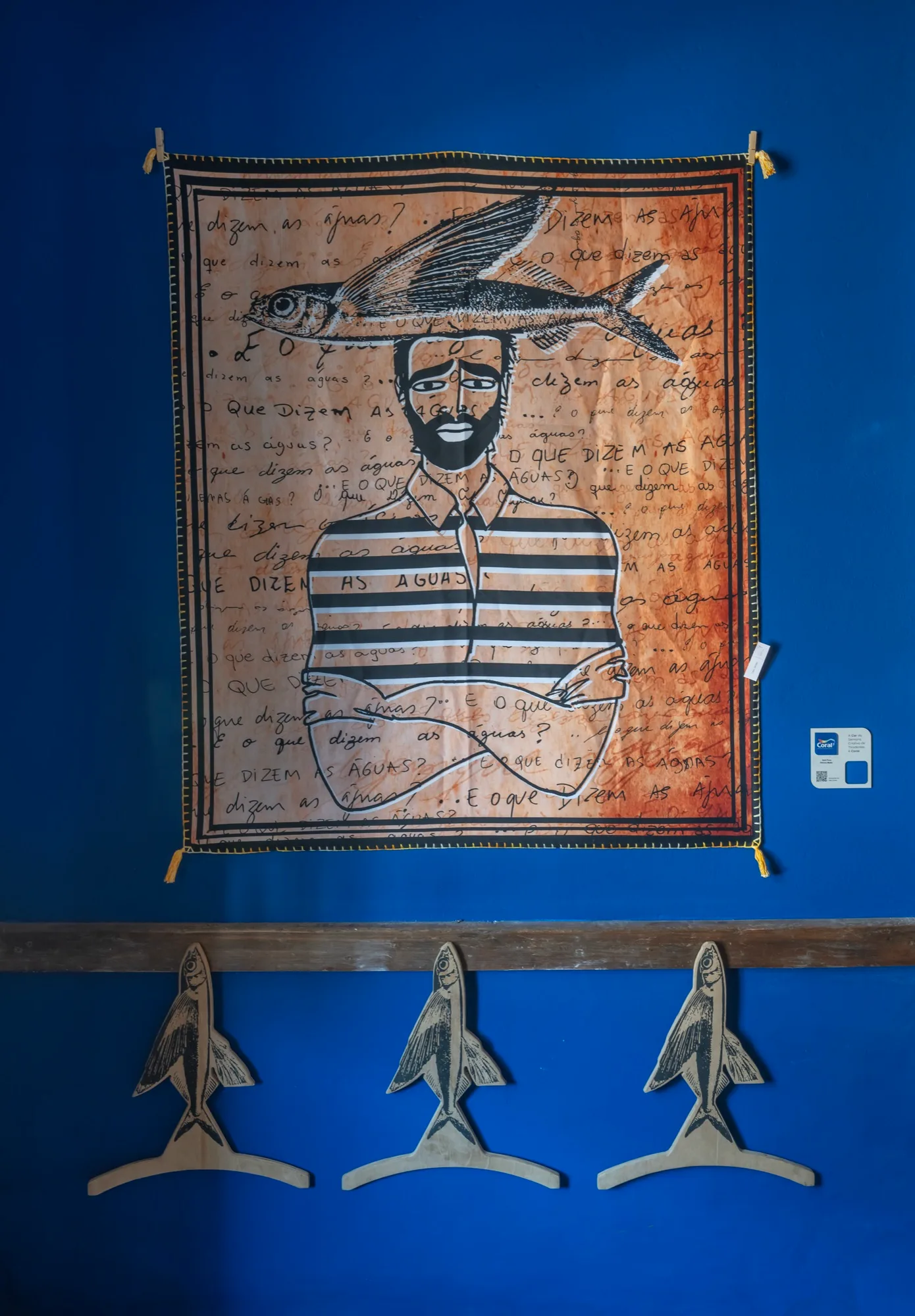
She recounts the case of a sculptor who “tied a knot” in the curation. He works with a CNC milling machine for the repetitive parts, more mechanical than creative, and arrived at the festival enchanted by what the machine could do. The first reaction was to pull him back to the craft of sculpting. Later they understood that the two things fit together. “His hand and his creativity come into play at two moments: in the project he throws there and in the finishing.” The lesson, according to Simone, came from the craftsman, not from them. “The Semana is not top‑down. It is a real exchange of knowledge.”
The limit, for her, is the loss of identity. “I see no problem at all, as long as that does not become a pasteurization.” She compares it with text generated by artificial intelligence, which is recognized by the lack of noise, and with today’s graphic design: “Everything has the same light, the same saturation.” In the day‑to‑day of the organization, the tool already helps with repetitive work. “It’s the intern.”
Today we are three
I ask what the 10th edition brings new. For Junior, the main novelty has a name. Pedro Rubens, a 33‑year‑old architect from São João del‑Rei, a neighboring city, began as a festival attendee. He created the platform Arquitetura de Preto, which maps black architects in Brazil, also with a gender cut, and which today has coordinators in almost every part of the country and even in Lisboa. In the Semana, he was a speaker, then a mediator and master of ceremonies. Last year, he carried out the Becos project, started in 2024.
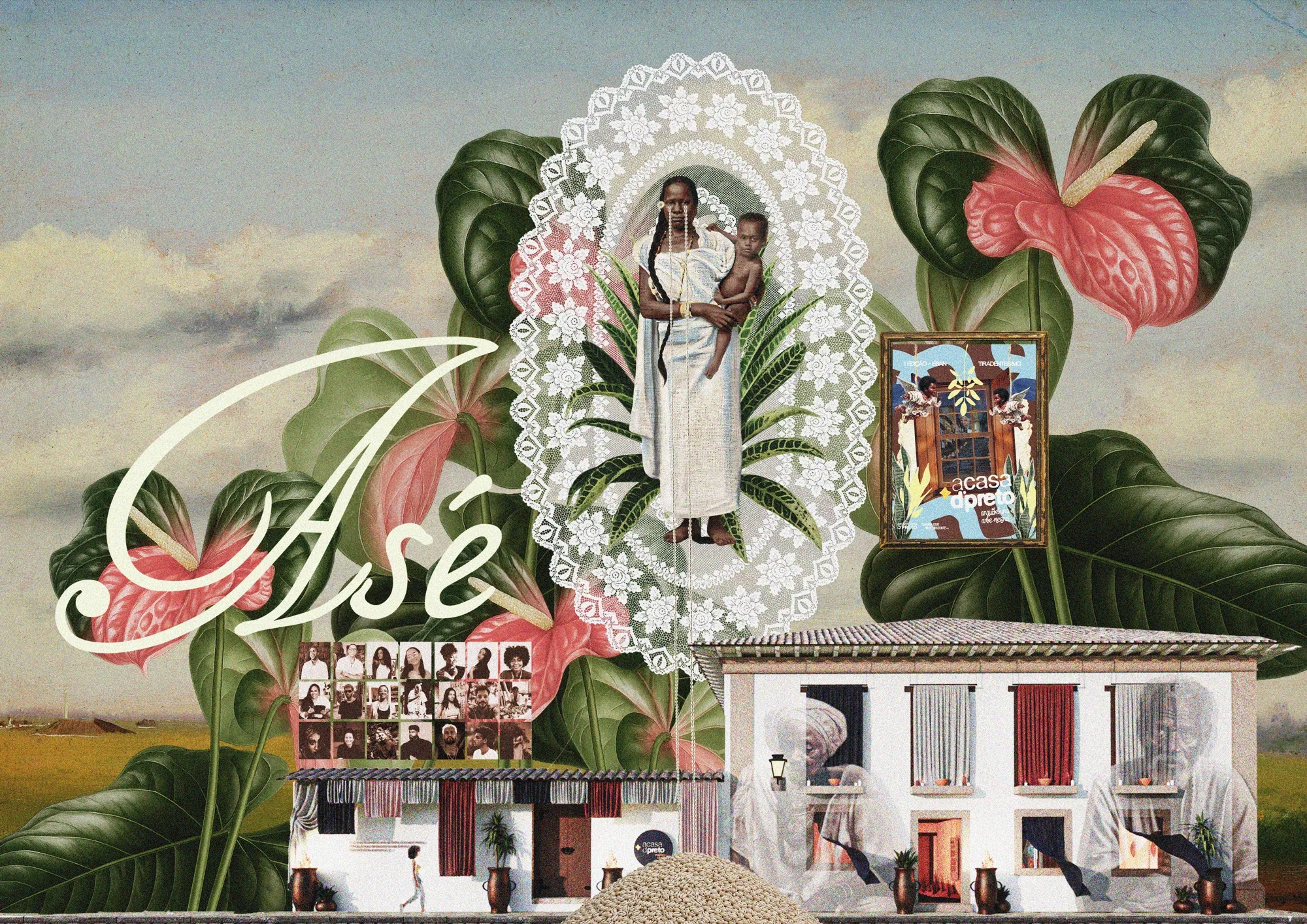
In 2026, he takes over Casa de Preto, an occupation set up in the building that houses Iphan’s office in Tiradentes, a roughly three‑century‑old colonial structure. Nearly twenty artists are involved, offering workshops, exhibitions, installations, talks and video mapping. “That’s when Pedro joins as the official curator, not just as a consultant,” says Junior. “Now he’s part of our team. We are three today.” One of the lecture days at the cultural centre will also be curated by him.
The edition includes other thematic houses. Casa Mata Atlântica brings together projects with artisans and small producers focused on protecting the biome, with a strong culinary presence. Casa do Arado, from the graphic design studio of the same name, which conducts in‑depth research on rural Brazil, links the collective’s work to that of the Minas Gerais artist Lotus Lobo, a pioneer in research with vintage labels and cans. There, chef and historian Ju Duarte of Cozinha Santo Antônio in Belo Horizonte contributes a selection of ingredients and treats tied to caipira culture. Casa Rio also debuts at the festival, presenting Rio de Janeiro’s universe through dance and charm, also with video mapping.
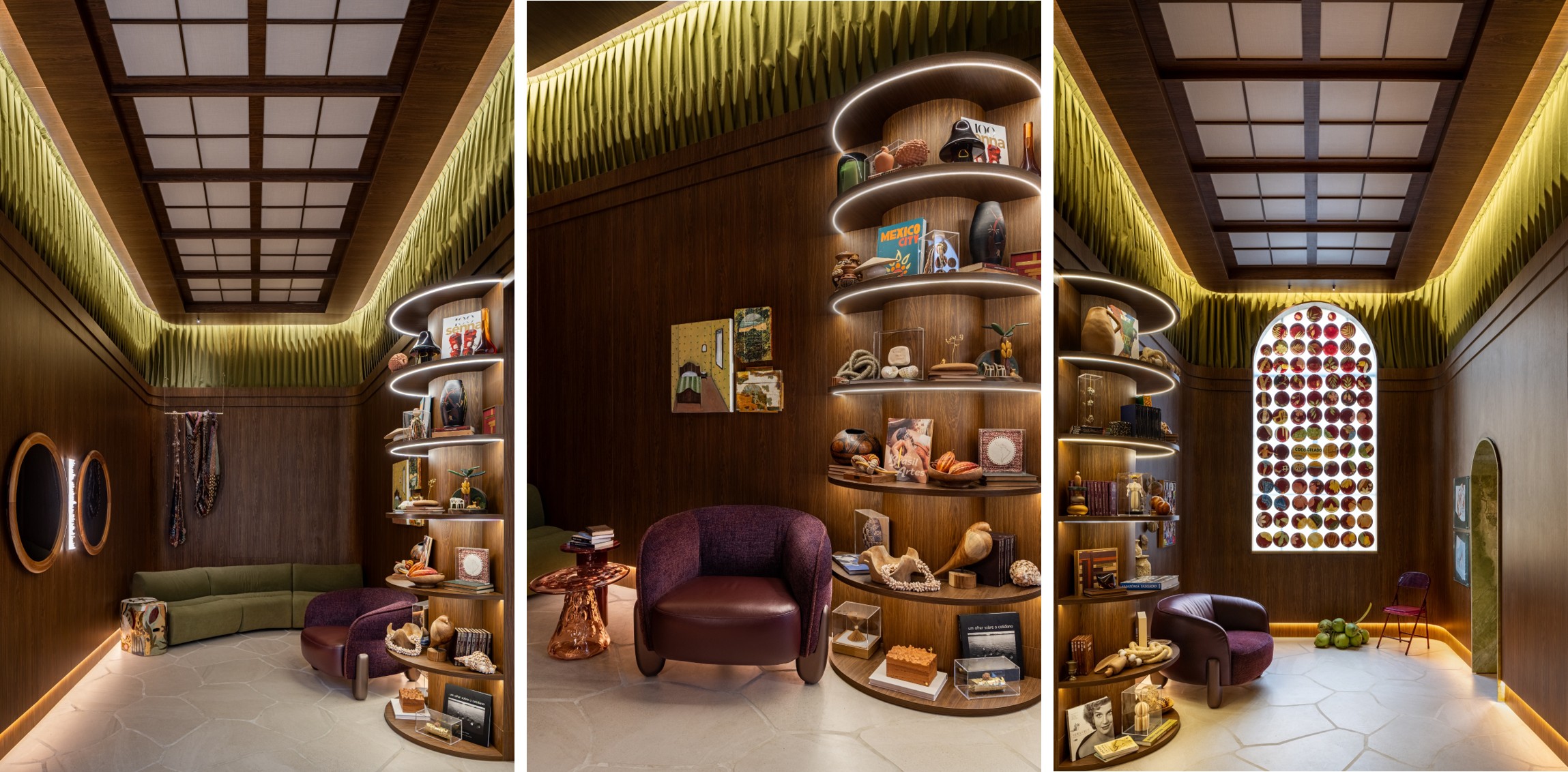
Architecture occupies another strong pillar of the program. For the second year, Coral opens a house in Vila Matriz, featuring talks by Rodrigo Ohtake, Laura Penna, Pedro Coimbra and Gustavo Penna, and guided tours by Rodrigo Ohtake of the exhibition on OHTAKE’s trajectory.
To get here, you have to want it
I wonder where the creativity comes from to tie together a program of this scale, year after year. Simone doesn't worry about a lack of ideas. "When you join a circle, things start to appear," she says, about the projects and the people who come to them. The challenge is different. "It's about not losing sight of the purpose. A lot comes in, sometimes with money involved, that would solve the business. It's about staying firm in what brought you here."
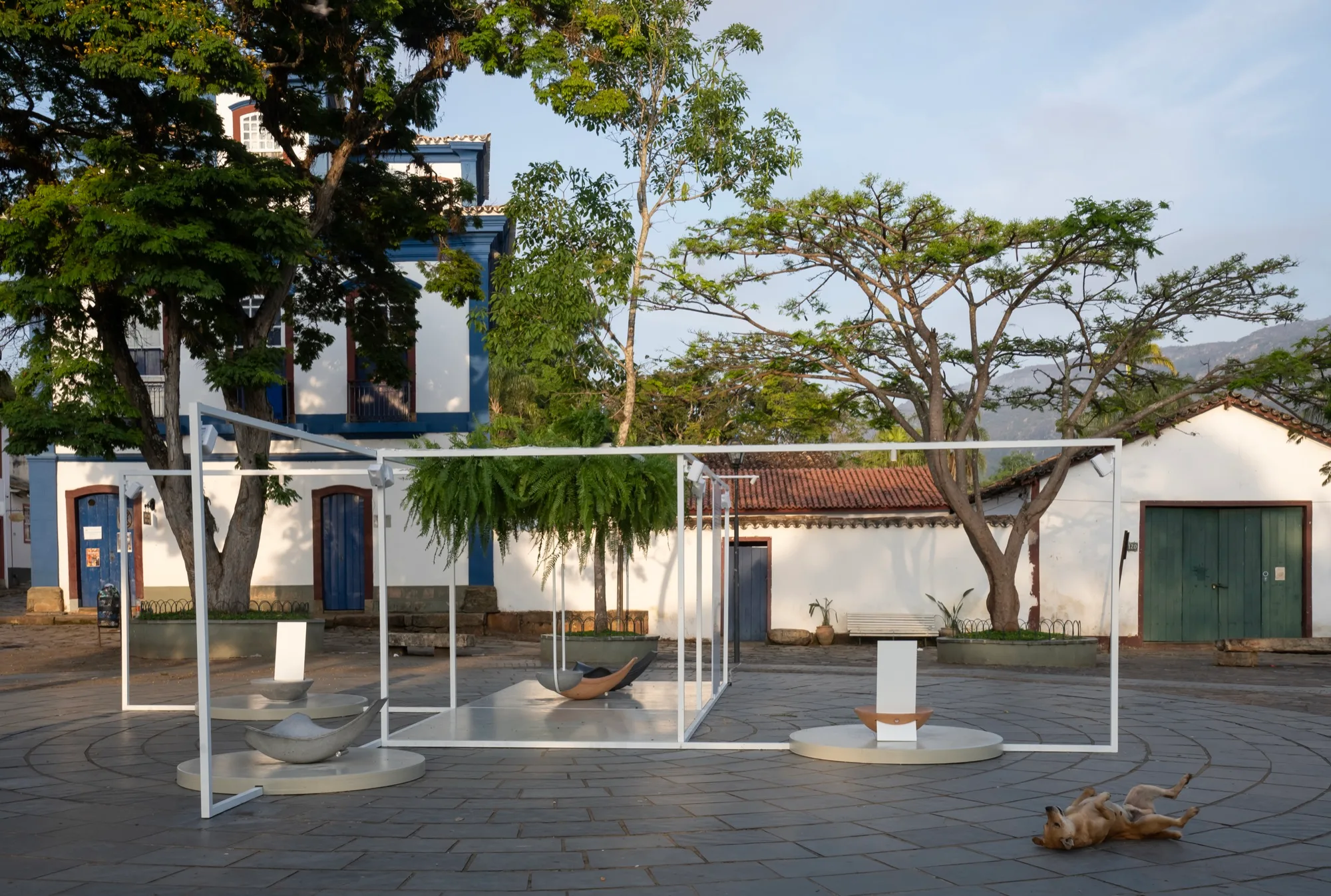
The numbers from the previous edition show the reach: in 2025, the Semana welcomed more than 22,000 visitors, 57% more than the year before, from 92% of the Brazilian states. This year, Alagoas, Ceará, Pará and Rio de Janeiro are presenting in Tiradentes. “I could never have imagined that we would receive other states,” says Simone. “When it started, I never imagined the Semana would talk about Brazil. Today we talk about music, gastronomy, everything.”
I ask, then, where the desire of so many people to be there comes from. Simone offers a tentative answer, noting that it is a feeling. She believes the festival opened doors for other initiatives in the interior, and did so by placing everyone on the same level. “It doesn’t matter whether it’s the famous designer or the artisan who is deep in the interior, but they do incredible work. We also brought a class issue. It brought everyone together.”
Junior adds the issue of access. “To get here, you have to really want to be here.” The audience that makes the journey, he says, is qualified in a sense that is not financial. “It’s a matter of feeling. They are coming to seek content, they are coming to be nourished.”
Why they are on The Cover
Before we finish, Junior insists on saying what Simone, according to him, does not say about herself. "Simone is very modest." He notes that many well‑positioned people in the market come to Tiradentes to tell him they received her first cover. "She has always been a good curator."
Simone had said that the festival has no explanation. After listening to the two, I think the explanation lies in this praise. The Creative Week applies to a city what a good editor applies to a magazine: it chooses the word, like the hand‑made design in the time when craftsmanship kept sponsors away; it chooses who appears, with the master craftsman alongside the famous designer and a curation that, from the first list, asks who is missing; and it decides the size, because a Tiradentes that is too full would cease to be lived. Junior brings the other half of the method, that of someone born there and who knows that, in a small town, production depends on people, not on suppliers.
The Cover records who opened a path before it became consensus. In 2017, whoever could sponsor thought the two were crazy. In 2025, more than 22,000 people took the road to Tiradentes. At the end of the call, I confess to the two that I still haven't been to the Week. Junior had already warned that, to get there, you have to want it a lot. After this conversation, I want.
Service
10th Creative Week of Tiradentes From October 15 to 18, 2026, in Tiradentes (MG). Activities are mostly free; some workshops are paid. Full schedule on the official website: semanacriativadetiradentes.com.br
Casa Coral Vila Matriz. From Thursday to Saturday, 9 a.m. to 9 p.m.; Sunday, 9 a.m. to 6 p.m.
Casa do Arado Villa da Matriz, Rua Santíssima Trindade, 92. From October 15 to 17, 10 a.m. to 9 p.m.; on the 18th, 10 a.m. to 5 p.m.
Photos: Eugênio Savio (portrait), Cacá Bratke (2025 edition) and Douglas Mendes (city). Art by Casa D'Preto: Thiago Guimarães.
Complete TV · Reels
A geografia sonora do Atlântico virou imagem e espaço.
See on InstagramFrom Complete



More from Caíque Nucci
View profile
Latest from Complete
 DesignTomie Ohtake House‑Studio presents Zanine Caldas
 FashionLED presents Baile da Saudade
 The CoverBrazil still gives little recognition to genuinely Brazilian authorial fashion.
 CultureThievery Corporation, 30 years: the Washington duo that originated in bossa nova
 InnovationLight has become a building material
 The Cover"I'm more afraid of being bored than of trying something new"
 BeautyBORNTOSTANDOUT arrives in Brazil