
Maja Petrić: the artist who wrote her own artificial intelligence
She built her own artificial intelligence system in 2016, before commercial generators, and today she powers sculptures with real‑time climate data. In 2020, one of her works arrived in São Paulo shortly before the pandemic shut cultural venues.
Words by

Words by Caíque Nucci
Editor-in-Chief · September 18, 2026
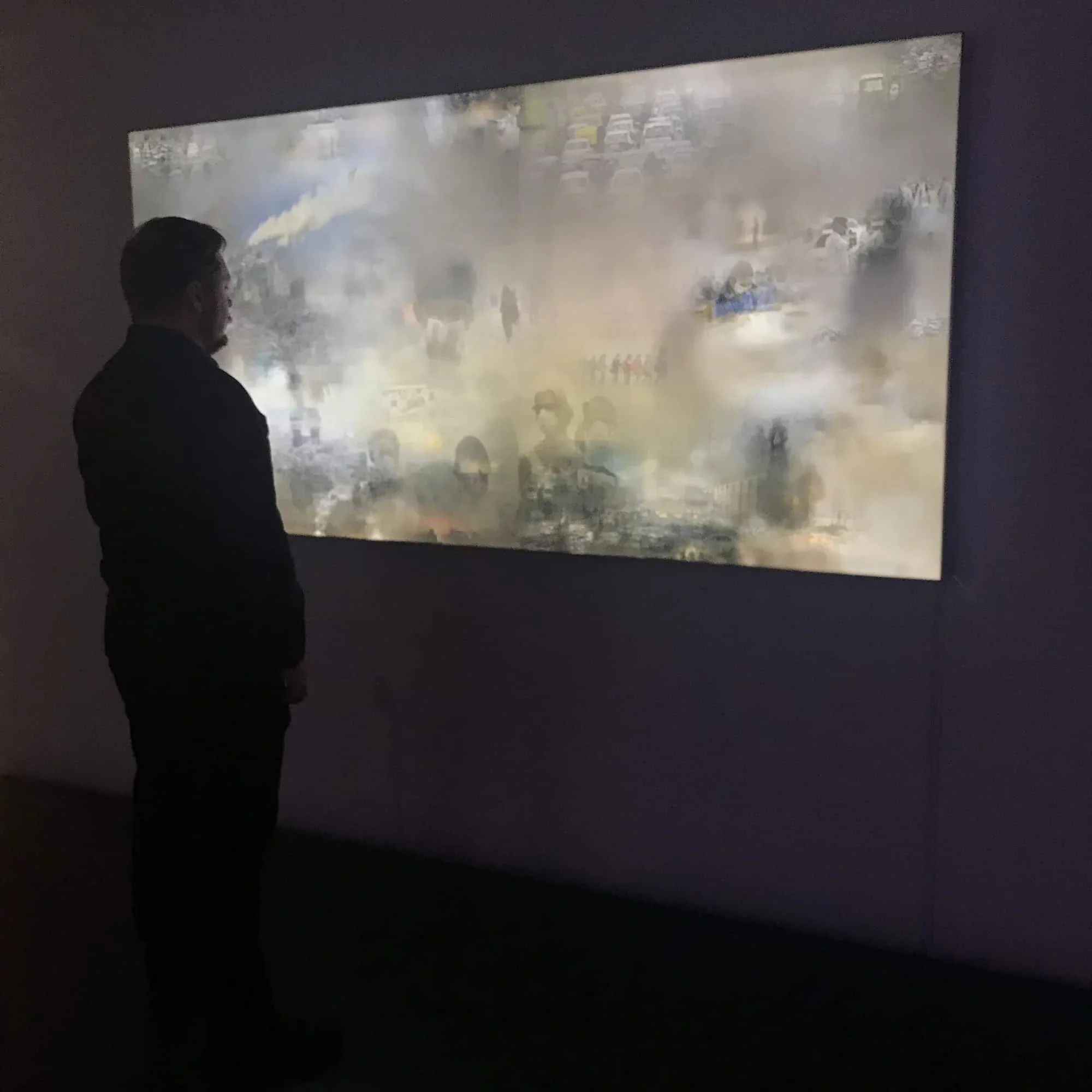
In 2016, when there was still no AI image generator accessible to anyone, Croatian artist Maja Petrić decided to build her own. Together with computer scientist Mihai Jalobeanu, she created a system she named AIEye, which she continues to use to this day, work by work.
The program scans the internet for images of the same phenomenon, identifies what they have in common, and tests pixel combinations until it arrives at an image that represents the set. The result barely resembles a collage. It is closer to a statistical portrait of how the world photographed that subject. Petrić applied the method to the sky and produced a series of landscapes of forest fires, air pollution, deforestation and hurricanes.
"The internet is like an amplifier of our era's archetypes," she told The Seattle Times in September 2019. "I'm not defining what air pollution is. I'm learning from the internet what it is."
Artificial intelligence as a brush
Petrić's relationship with artificial intelligence predates the topic's popularization. In 2018, in an interview with Deutsche Welle, she argued that artists need to use these tools and that they must pass through artists' hands, because they will shape the world in the next century, and she said that, as a woman and an artist, she wanted to join this conversation right away.
Years later, to the Croatian edition of the magazine Grazia, in September 2025, she explained where she works. For her, artificial intelligence is not a collaborator but a tool, like a brush for a painter. It is the artist who sets the rules and the pace, and the algorithms execute them in ever‑new ways. The idea and the composition remain human.
The vision is not naive. In February 2025, to the publication Minimal Collective, Petrić said she tries to stay aware of the harms these technologies can cause, both from an extractive logic and from environmental consequences. And to the British magazine FAD, in May of the same year, she summed up what she seeks: “I use technology as a tool for empathy, not for spectacle.”
From Zagreb to Seattle
Maja Petrić was born in Zagreb and grew up in Croatia during the war that broke up Yugoslavia. She was nine years old when the conflict reached the country, and she often says that period shaped how she understands disconnection and the desire for unity.

Her education began far from the visual arts. She earned a bachelor's and a master's in journalism at the University of Zagreb and, in 2001, moved to the United States on a scholarship. In New York, she pursued a master's in interactive telecommunications at the Tisch School of the Arts, NYU. She then went to Seattle, where she completed a PhD in digital arts and experimental media at the University of Washington in 2013, with a dissertation on how light can transform the poetic experience of space. She lives and works in Seattle to this day.
In 2019, received the Lumen Prize in the category of three-dimensional and interactive works for We Are All Made of Light, an installation created for MadArt Studio in Seattle. In 2025, won the innovation category of the Digital Art Awards in London.
When the data begins to command the work
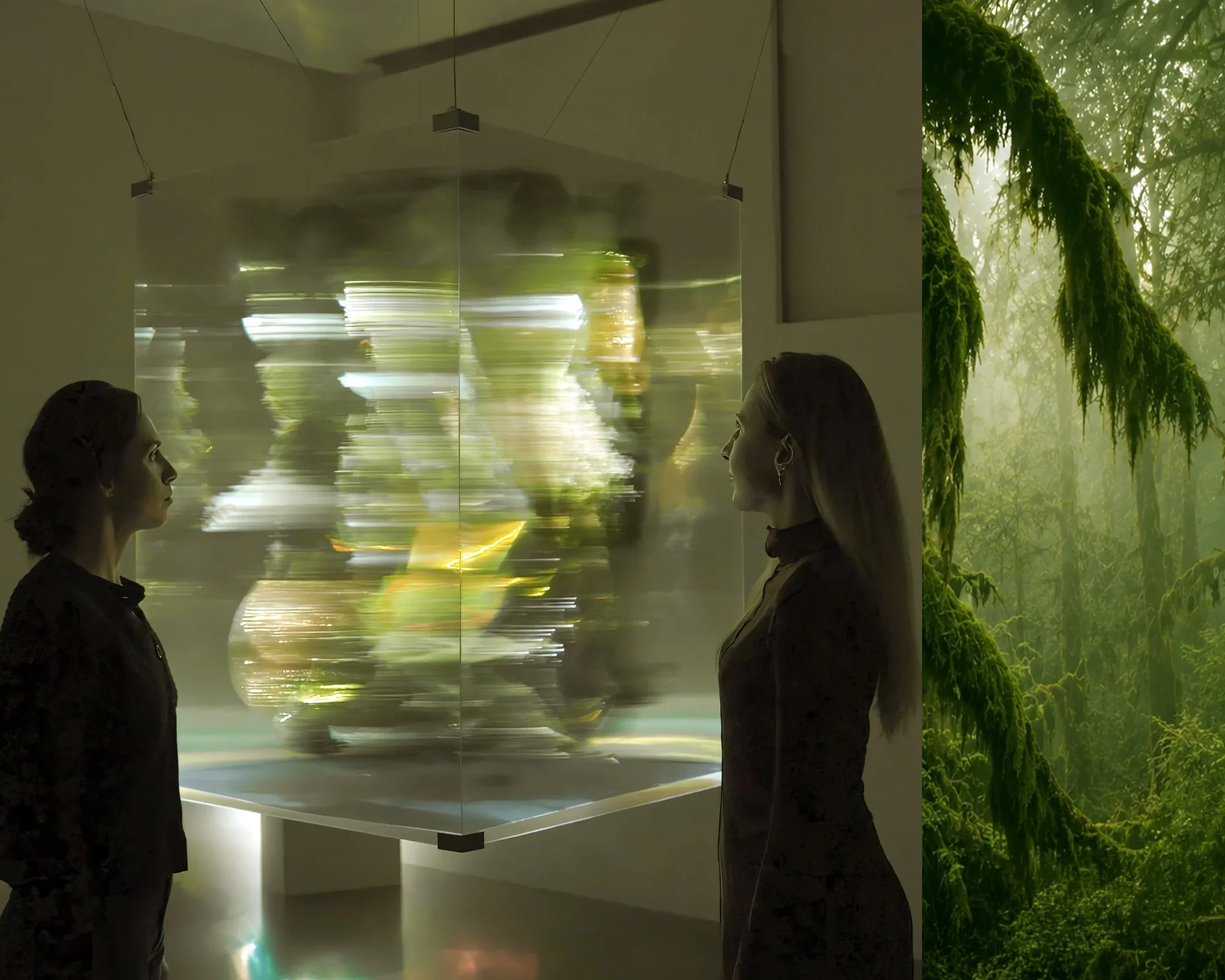
From 2024 onward, the raw material has changed. In the series Specimens of Time, the sculptures no longer represent environmental data but are driven by it. Each piece is a light box connected to a public measurement source that compares the current condition with the site’s historical average. One reads six weather stations on the Olympic Peninsula in the Pacific Northwest of the United States and turns red whenever the temperature exceeds the twenty‑year average. Another tracks sea temperature via the American ocean agency’s coral monitoring program, and a third reacts to air quality in Hawaii.
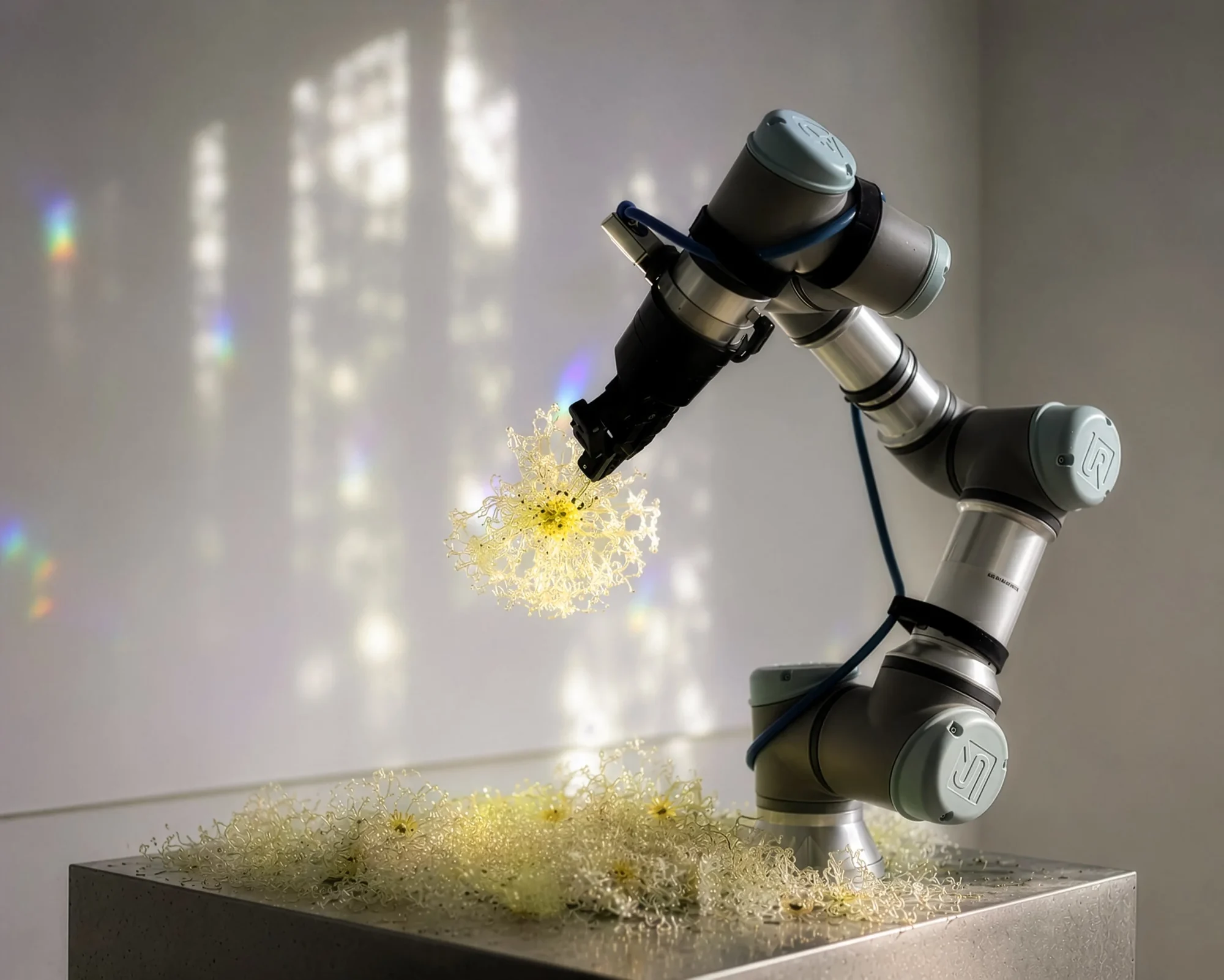
In June of this year, in London, the artist took the idea further. In The Glitched Sublime, a robotic arm deposits a synthetic Arctic poppy into the light box for each temperature anomaly recorded in the Arctic, and the title of each work includes the exact date and coordinates of the episode. According to the exhibition text, the system neither interprets nor simulates. It only responds.
In an interview published in 2025, Petrić said that the sublime cannot be manufactured, because it occurs in the interval between fragility and vastness, between presence and absence. In her work, technology serves to record what is disappearing, before it disappears.
The Brazilian chapter
Petrić's work has already been in São Paulo. On February 7, 2020, the installation Constelação: Somos Todos Feitos de Luz opened on the 23rd floor of the Farol Santander, in the city centre, curated by Antonio Curti. It was the third version of the award‑winning piece from 2019, created especially for the São Paulo venue.
Who entered found a dark room pierced by light and a field of stars that reacted to the body itself. The light was drawn from each visitor’s silhouette and lingered in the space after the person left, adding to that of those who had gone before. On the eve of the opening, the curator summed up the experience: “You come, leave your trail, go away and everything you leave continues to affect the next people.”
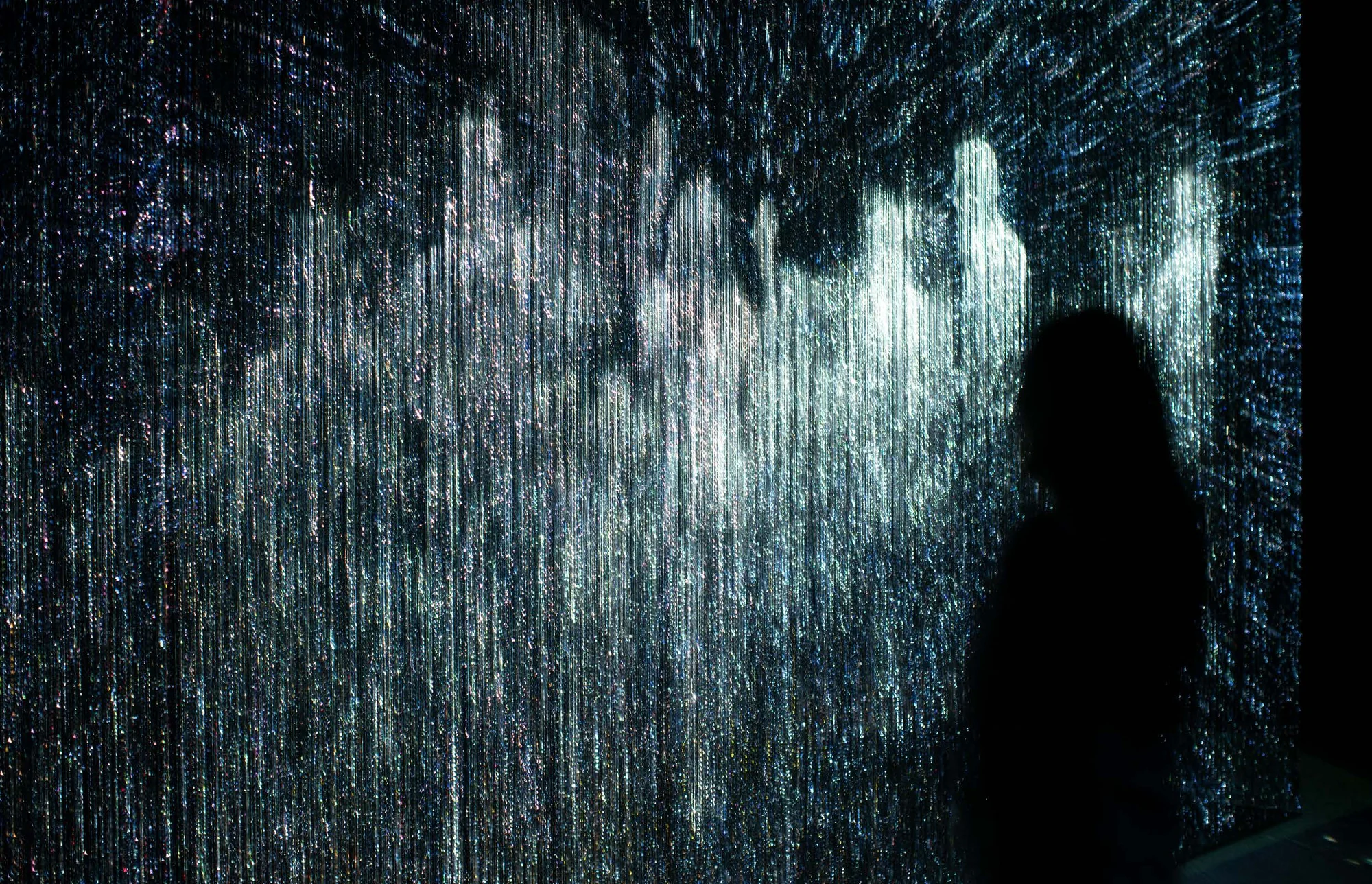
The artist could not come to Brazil for the opening, because she had just given birth to her first child.
The Constelação is a work that depends on the encounter. It only completes itself when strangers pass through the room, one after another, over weeks, and leave their mark there.
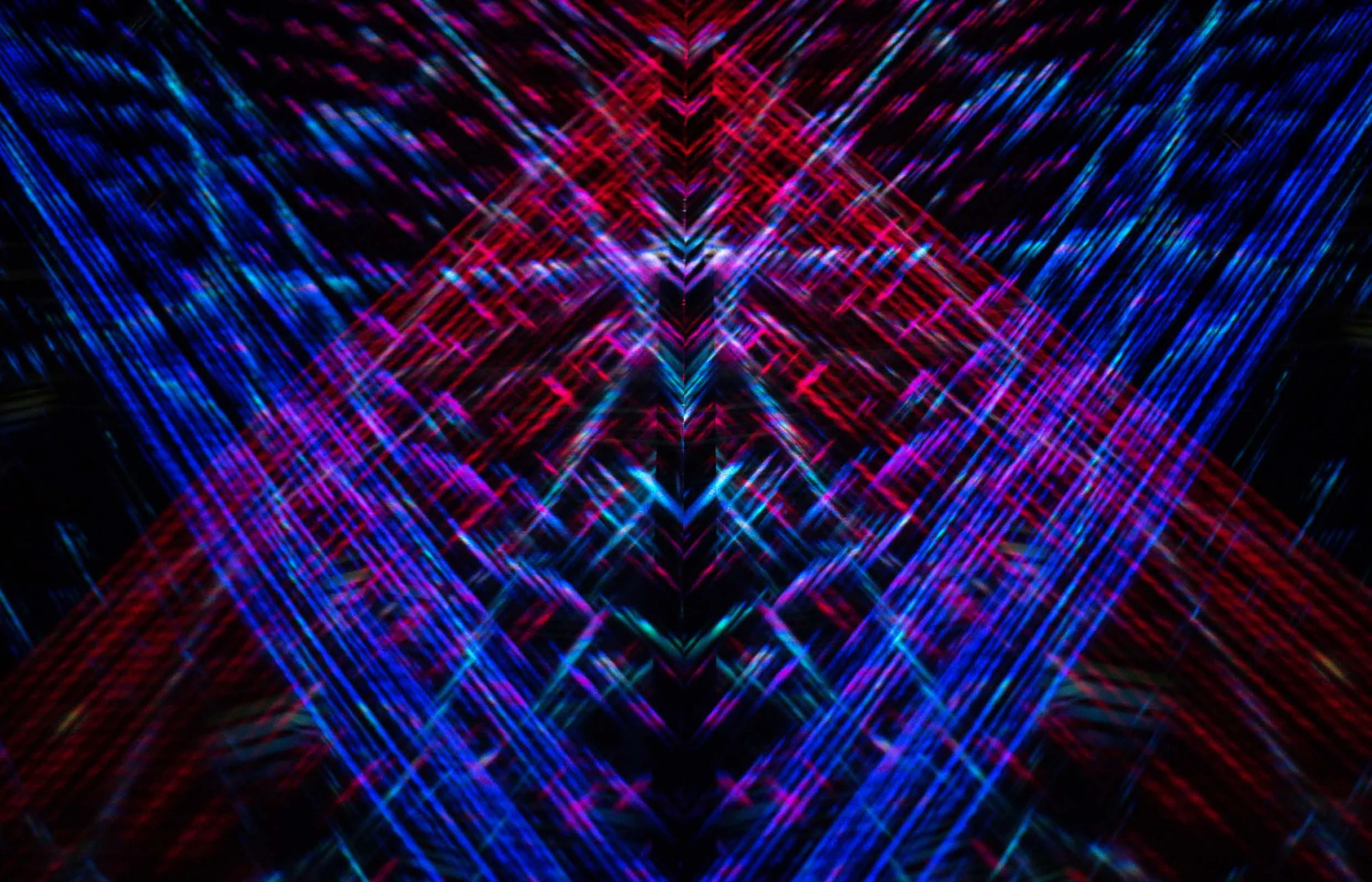
Just a few weeks after the opening, the pandemic shut museums and cultural centers across the country, and the season, slated to run until May, ended early, like many others that year. There is something symbolic about this: a work created to bring strangers together in one space was halted precisely when the world stopped gathering.
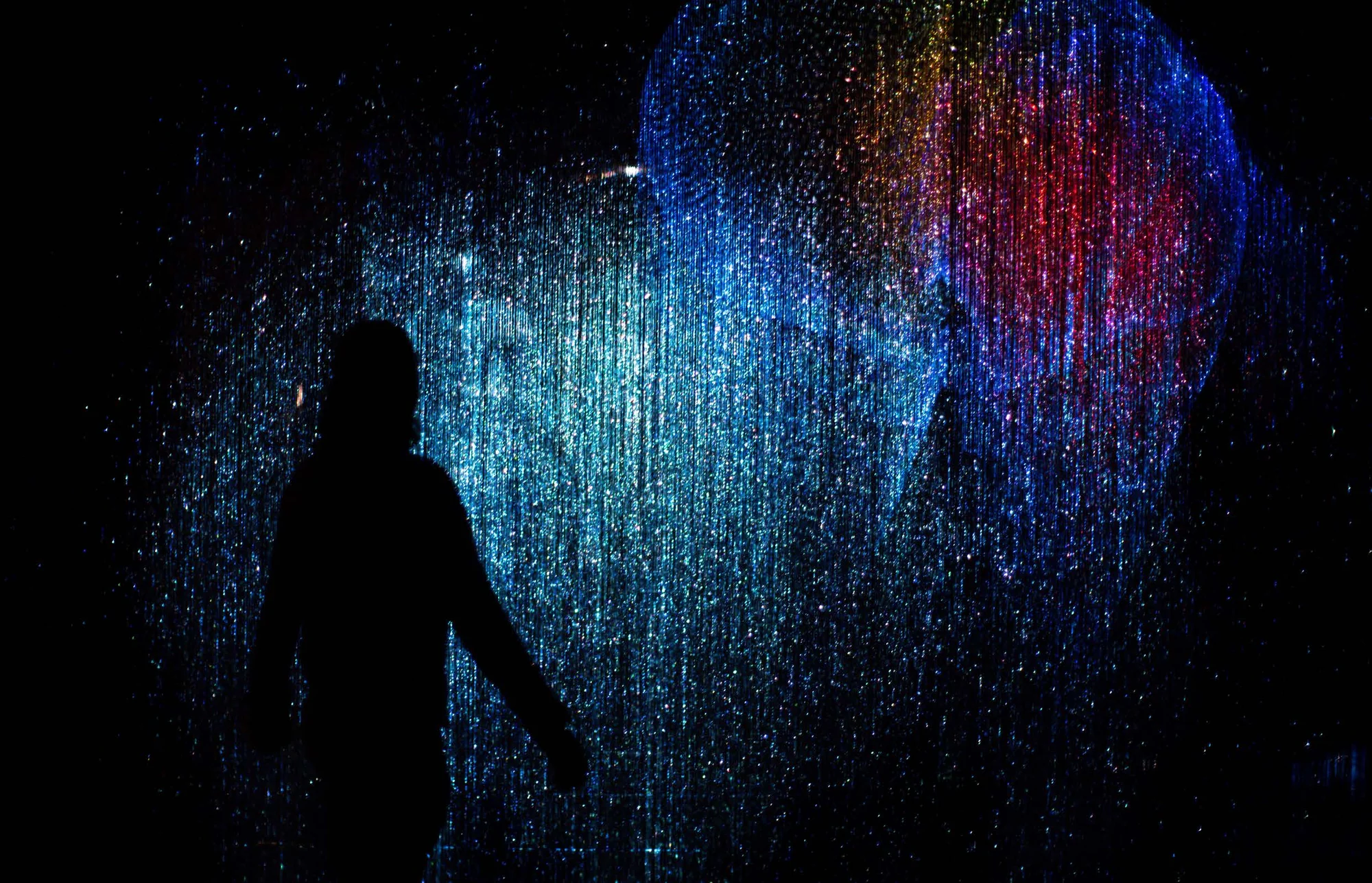
A suspended constellation
A video record made in those days shows the installation lit and empty. It is a strange sight, because it is the only state in which this work does not occur.
And a beautiful question lingers in the air: where do the silhouettes of those who passed through there during those weeks go? Speaking of the first installation, in Seattle, Petrić said that the parents came from Croatia for the opening and that, months after they left, their silhouettes still appeared in the constellation.
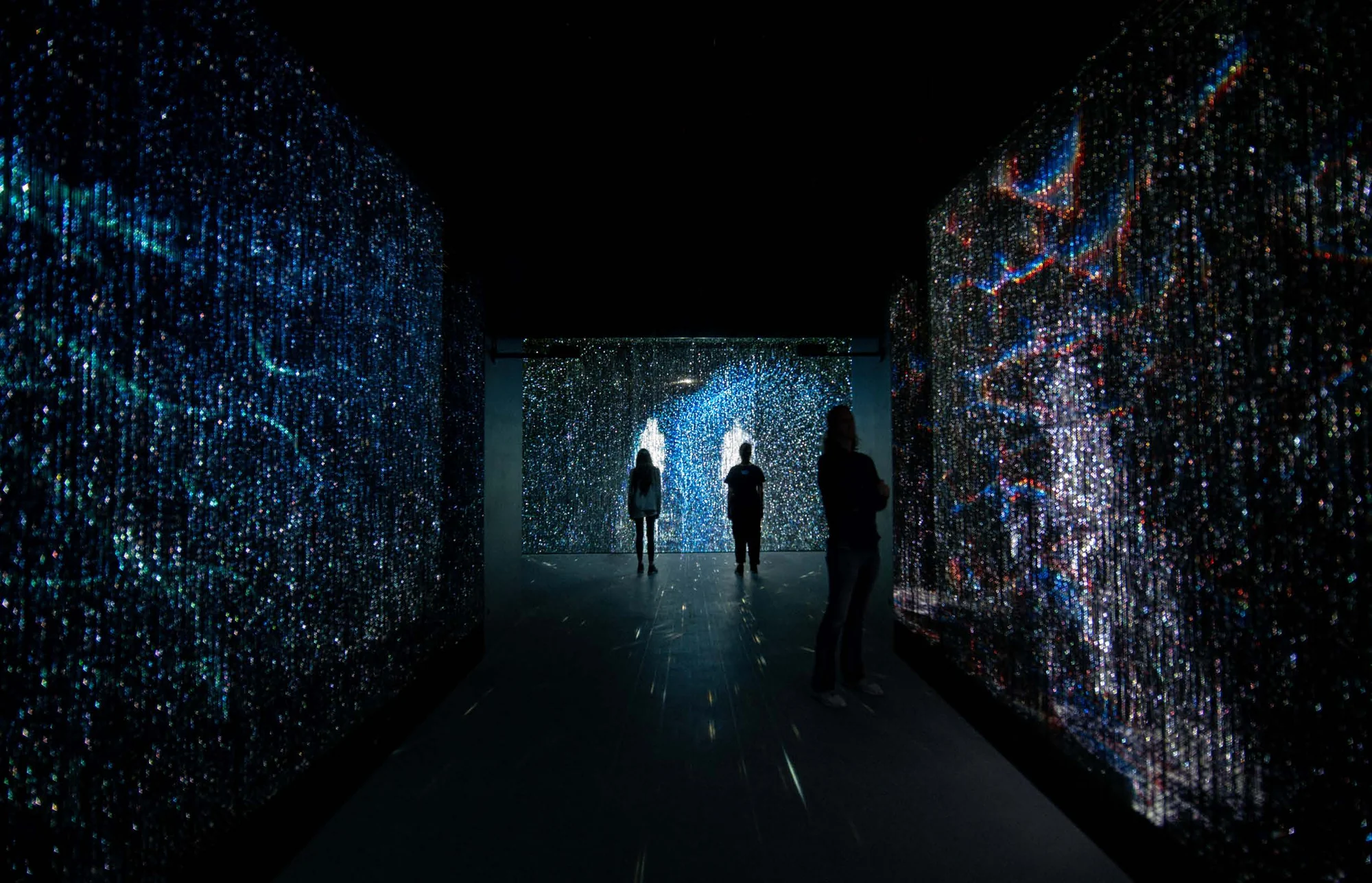
Today's view, the passage through São Paulo carries an irony that no work would plan. Petrić has spent the last decade building machines capable of preserving what disappears, be it a sky, a reef, a forest or a flower that lasts only a few days. Here, what remained suspended was the work itself, and with it the encounter that gave it meaning.
In May 2020, with cultural spaces closed, the artist wrote to the Indian magazine STIRworld that isolation can exacerbate loneliness and fear of the other, and that it was the moment to evoke, more than ever, the feeling of being connected to people of the past, present and future. That is precisely what the Constelação does, and perhaps it is the best reason for it to return to São Paulo someday.
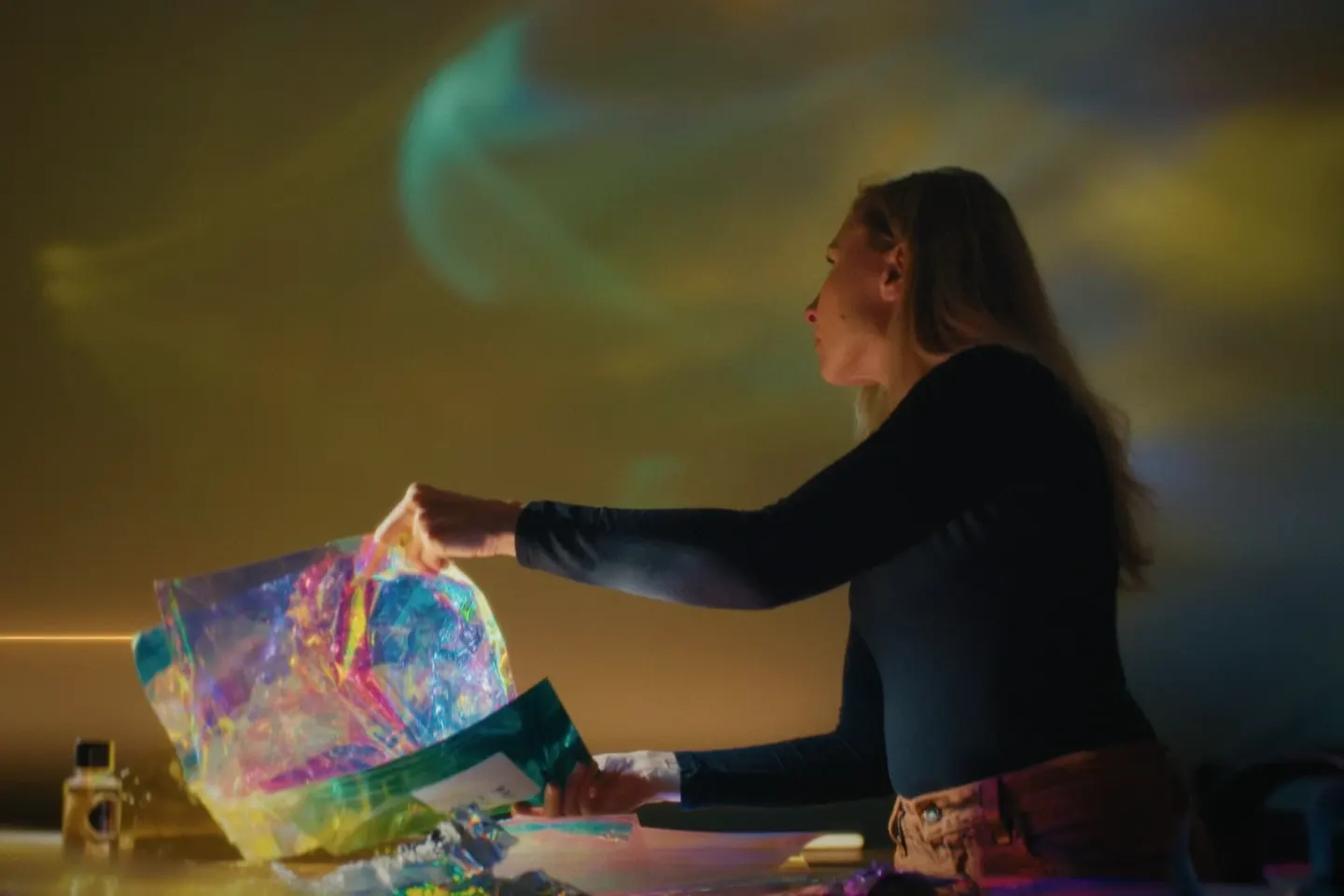
Cover photo: Maja Petrić working in her studio. Image from the video Artist In the Studio, 2024, courtesy of La Moufle.
Complete TV · Reels
NASA @nasa has just released a free tool for Earth Day: enter your name and see each letter spelled out in real photographs
See on InstagramFrom Complete




More from Caíque Nucci
View profile

Latest from Complete
 CultureCrack Wall
 InnovationLight has become a building material
 The Cover"I'm more afraid of being bored than of trying something new"
 FashionFashion and the addiction of evaporation
 DesignAnton Berkasov plays his own art as one would play an instrument
 The CoverAugusto Paz: the fashion designer who started drawing in Excel
 BeautyBORNTOSTANDOUT arrives in Brazil