

Christian Boltanski: nobody's clothes
Crossing a dark corridor flanked by the towers of Anselm Kiefer's The Seven Heavenly Palaces, the visitor is wrapped in real heartbeats, recorded by Boltanski since 2008. The sound of the human heart, normally so private, becomes here the soundtrack of a path with no way back. Every step forward is a plunge into a time that does not belong to us, but that shapes us.
Words by

Words by Sarah Rocksane Araujo
Editorial, Fashion and Beauty
Listen to this story
There is something deeply unsettling in the sight of a mountain of clothes that fits nobody. No hangers, no shop windows, no bodies. In Personnes, the monumental installation by Christian Boltanski, what was once intimate, functional or vain becomes matter of collective memory, evidence of an absence that whispers more than it shouts. The piece, shown at HangarBicocca in Milan, occupies the space the way a ghost occupies a house: silently present.
Crossing a dark corridor flanked by the towers of Anselm Kiefer's The Seven Heavenly Palaces, the visitor is wrapped in real heartbeats, recorded by Boltanski since 2008. The sound of the human heart, normally so private, becomes here the soundtrack of a path with no way back. Every step forward is a plunge into a time that does not belong to us, but that shapes us.
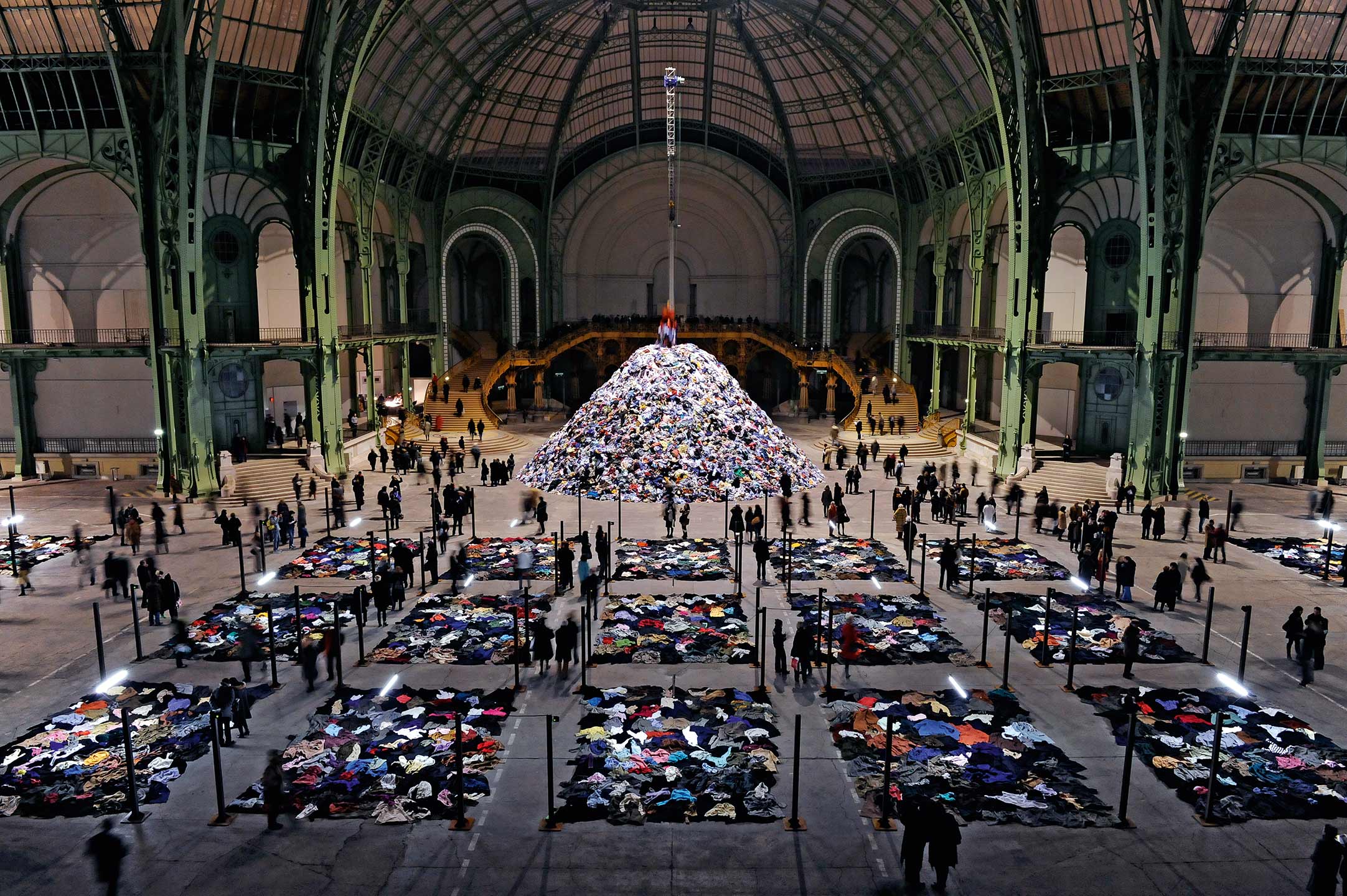
If fashion tends to celebrate presence, of bodies, of trends, of the now, Personnes is about absence. A kind of anti-fashion that, paradoxically, forces us to think about everything we wear. Who were we in that jacket? Who loved someone while wearing that dress? How many wept in the sweat-stained shirt that today lies anonymous among thousands of others? Clothes that were once skin now pile up as silent witnesses to time gone by. The aesthetics of loss, of excess, of disposability.
The critique is subtle, but it lands. In an industry that produces tonnes of clothing per minute, much of it condemned to oblivion before it is even worn, Boltanski returns to us the symbolic weight of dress. Every piece there has a history we will never know. But the void left by the absence of those histories is precisely what gives the work its devastating power.
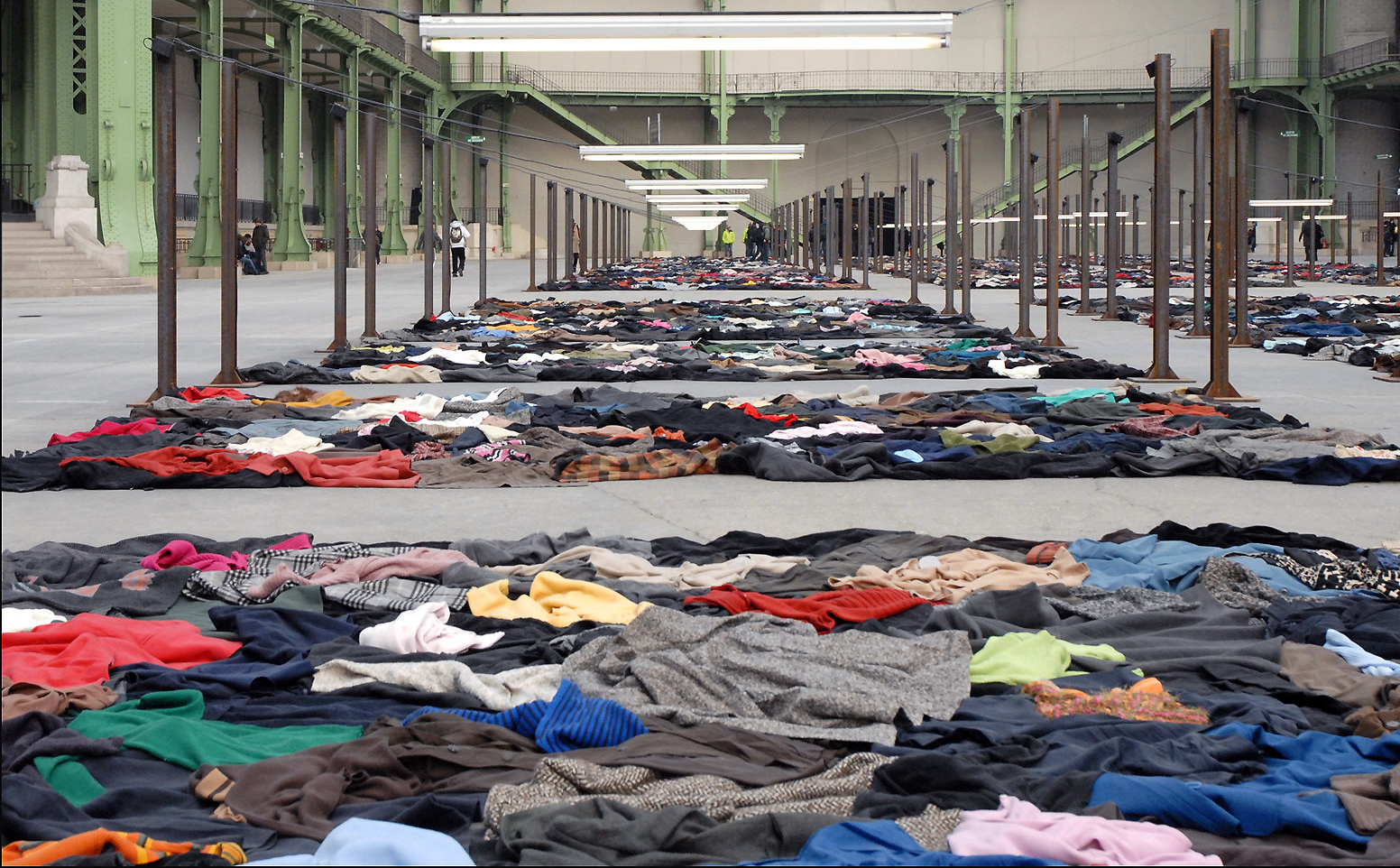
By treating clothing as a document of human fragility, Boltanski offers a comment that contemporary fashion rarely allows itself: that dressing is also a way of disappearing. And that beauty lies not only in the new, in the desirable, but in the silence left by those who are gone.
In revisiting the label's archives, today preserved as a cultural collection in Breganze, Martens saw currency where many saw the past. The aesthetics of the 2000s returned to the global stage, and he used that as a springboard. But his approach goes beyond nostalgia: it is a critical update. Logomania takes on new irony. Destroyed denim becomes sculpture. Sensuality is political.
An invitation to ask ourselves, before the mirror or the wardrobe rail: what will our clothes say about us when we are no longer here?
Complete TV · Reels
A geografia sonora do Atlântico virou imagem e espaço.
See on InstagramFrom Complete




More from Sarah Rocksane Araujo
View profile


Most popular
 FashionRyzí revives Warner Bros. partnership with a Powerpuff Girls collection
 FashionCurled Faces Studios launches Margens Vivas, on the meeting of São Paulo and Palmas
 FashionBrazil's MISCI and VEJA launch Paris collab with a Brazilian-designed sneaker
 InnovationLight has become a building material
 CultureIn Belgrade, the Atlantic was heard before it was seen