
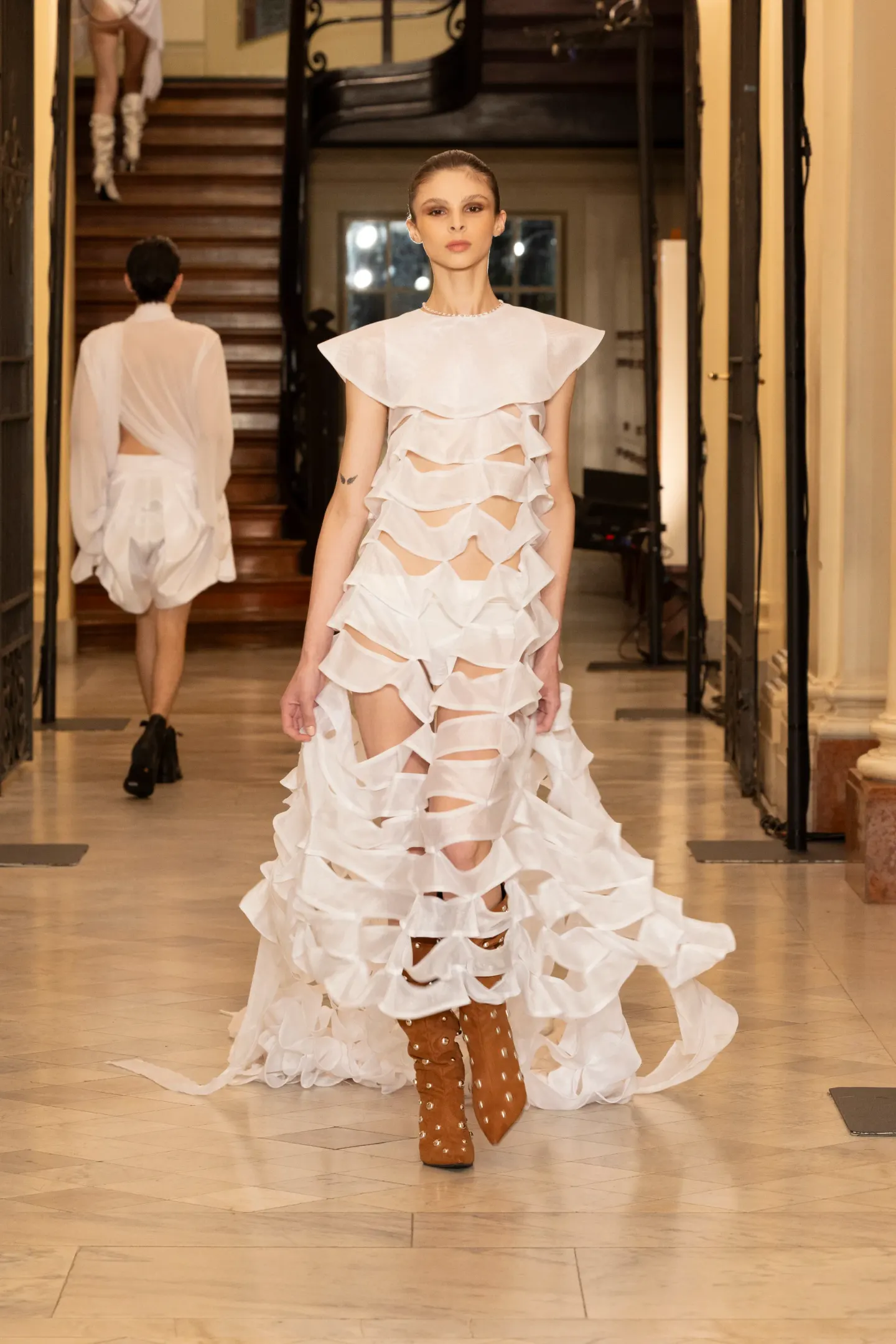
Walério Araújo / Weider Silveiro - Summer 2027
Between the chant and the spectacle: Walério Araújo and Weider Silveiro dress their own stories
Words by
Words by Sarah Rocksane Araujo
Editorial, Fashion and Beauty · October 16, 2026
The meeting between Walério Araújo and Weider Silveiro, friends for more than 25 years who decided to present their collections independently, sharing the same occasion without compromising the distinctiveness of their creative universes.
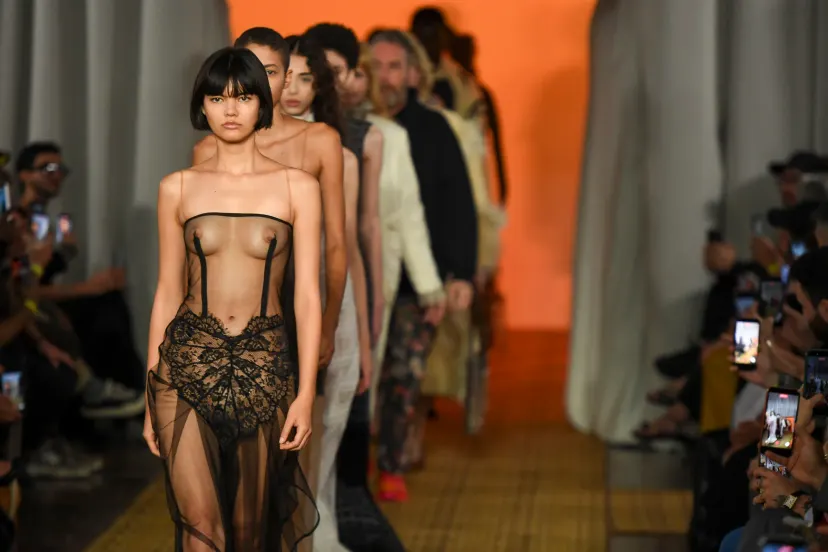
On October 12, at the Municipal Historical Archive of São Paulo in the city centre, the designers split the runway into two distinct narratives, intersected by a common question: how to return to one’s origins to understand the present and imagine other paths for the future? The choice of a joint format does not erase the differences between the creations. On the contrary, it allows them to exist side by side, in a conversation built on friendship, experience and the understanding that each process requires its own time to mature.
Weider presents Aboio, a collection that turns childhood memories from the interior of Piauí into a study of the contemporary female silhouette, while Walério revisits his experience on the reality show A Fazenda to reorganize emotions, images and references from his trajectory.
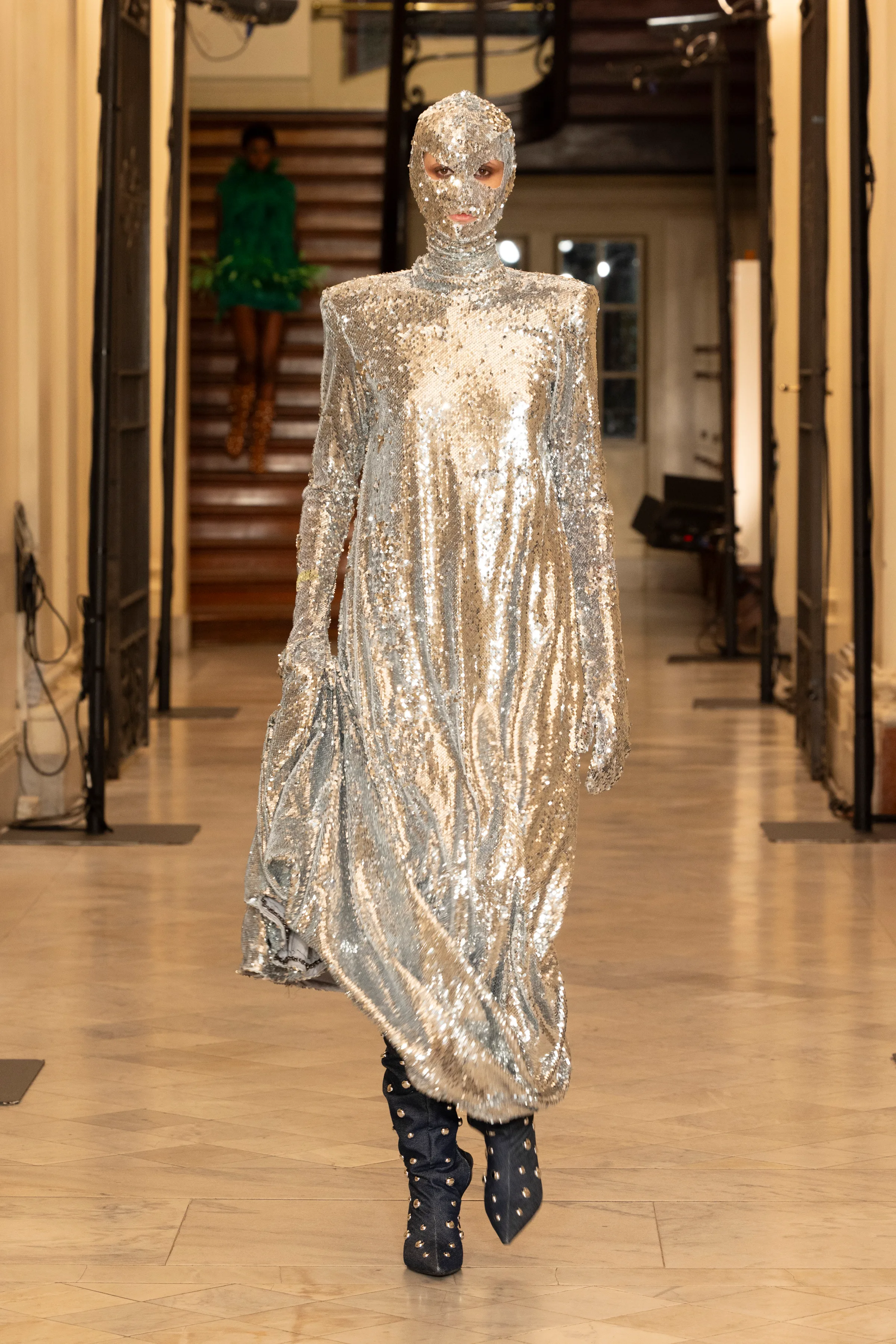
On one side, the cadence of a sertanejo song drives the investigation into body, territory and memory; on the other, public exposure, dispute and forced cohabitation become material for a collection that moves between restraint, humor and exuberance. These are stories that were not born connected, but that find a point of convergence in returning to the essence. The shared occasion also shifts the idea of a runway as a succession of images destined for immediate consumption. In this gesture there is a desire to preserve creative autonomy and allow the garments to be crafted according to the techniques and rhythms required for their execution. Fashion thus appears not only as a final product, but as process, memory and relationship. Between the intimacy of an old friendship and the public dimension of the runway, Walério and Weider build a meeting in which independence does not mean isolation, but the possibility of sharing space without dissolving one's own voice.
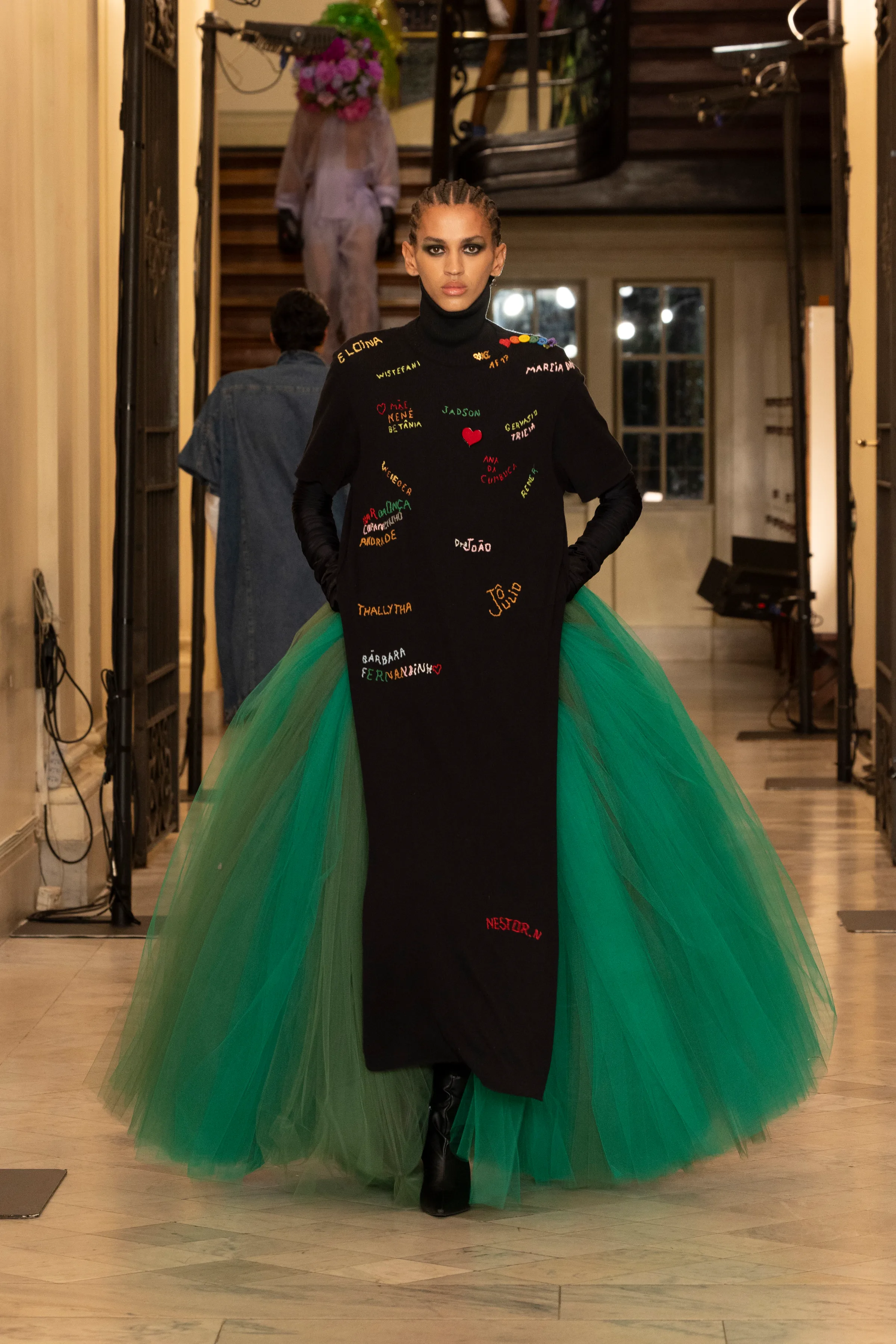
In Aboio, Weider Silveiro starts from an affective memory to investigate how the cultural codes of the northeastern backlands can find new forms of expression in urban fashion. The title revives the traditional song, with a gentle and melancholy melody, sung by cowhands to drive and gather cattle. Before becoming a reference for the collection, this sound already carried a particular way of relating to the environment, to work, and to animals. In the designer's childhood, in the interior of Piauí, his contact with rural life occurred through visits to his godfather's cattle farm, who gifted him calves tended by the cowhands. From that experience remain the images of saddles, stirrups, reins, and the garments used in the work, objects now undergoing a process of formal translation. It is not about literally transporting the rural universe onto the runway, but about observing its structures, proportions, and modes of use to uncover other construction possibilities. The silhouette research, a central element in Weider's work, gains new contours through drapings and volumes developed with various knitwear pieces from Nanete Têxtil, a long‑time partner of the designer.
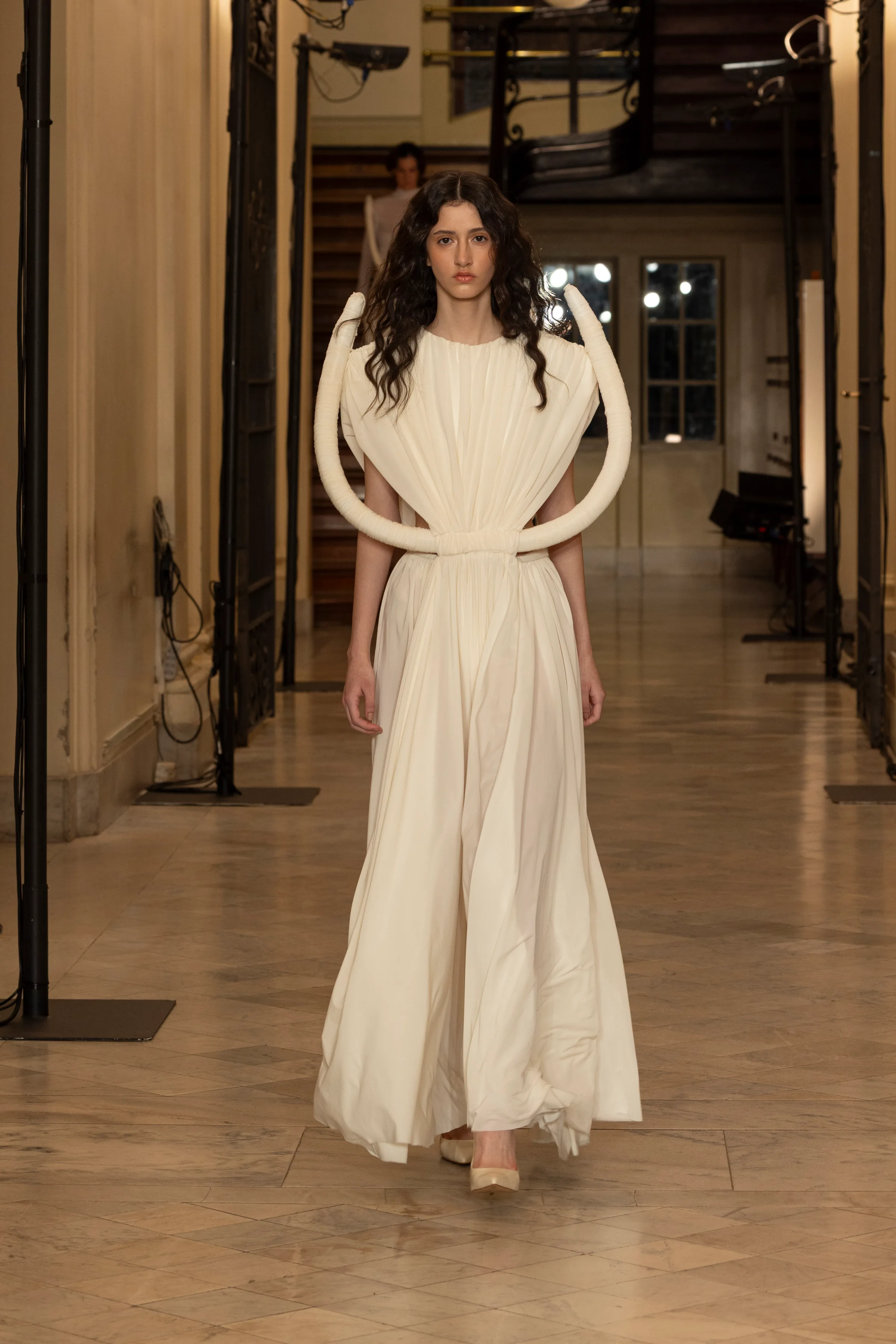
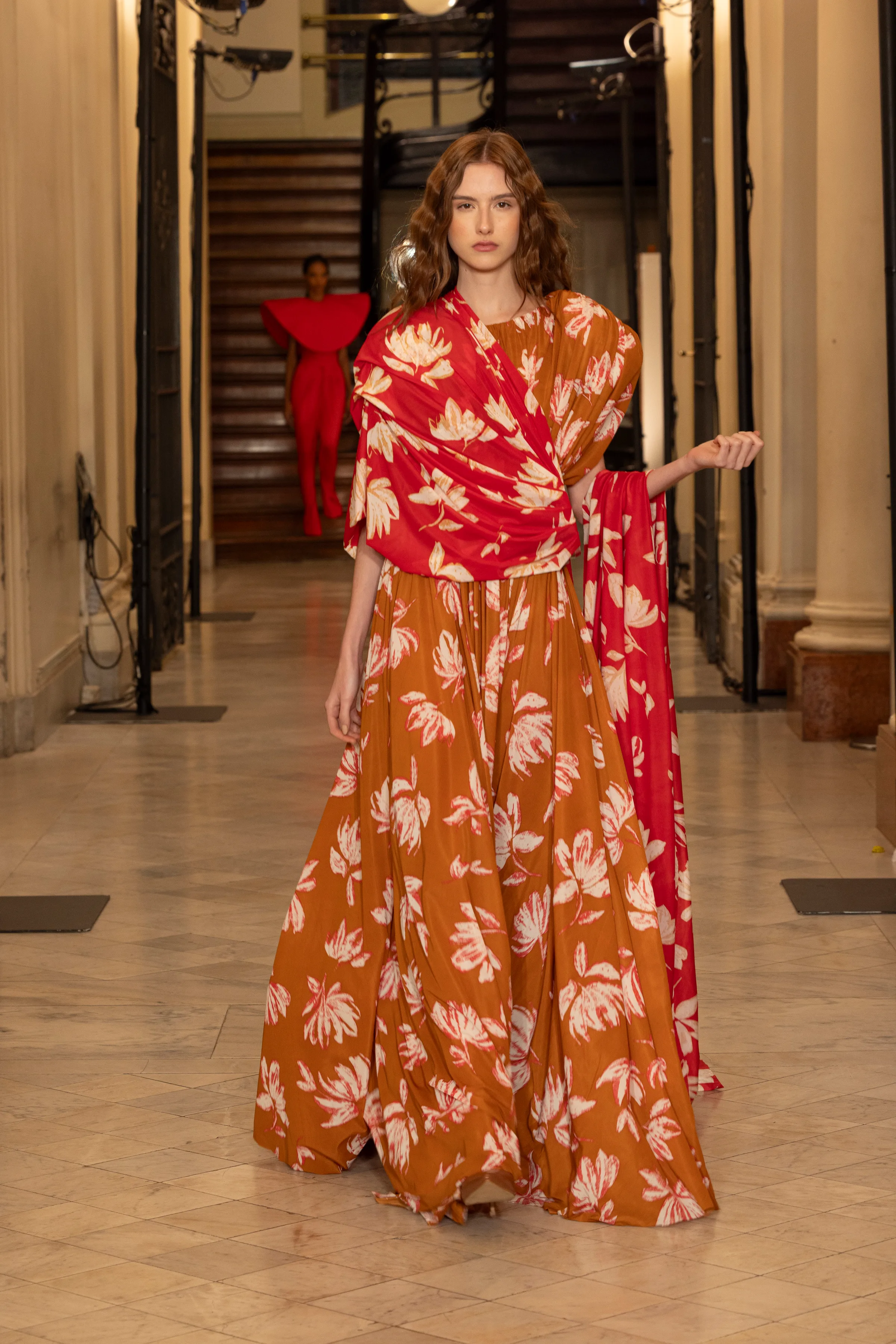
The fabric ceases to be merely a surface on which a reference is inscribed and becomes an active participant in the garment’s architecture. Inspiration from the gibão—a loose leather coat worn by cowboys to shield their bodies from vegetation while herding cattle—also guides the collection’s lines. Its structure evokes protection, durability and mobility, qualities that take on new meanings when applied to contemporary women’s clothing. There is a distinct elegance in the figure of the Northeastern cowboy, shaped by the relationship between the garment’s function, familiarity with work tools, and the responsibility of caring for what sustains families’ lives. From this blend of firmness and delicacy, utility and presence, Weider draws part of the strength of his proposal. The colour palette, anchored in off‑white and caramel, receives touches of red that break the sobriety without disrupting visual unity. The contrast does not act as an isolated ornament but as part of a narrative that brings the earthy tones of the sertão landscape into a sophisticated, contemporary reading. The collection finds its identity in this synthesis, where regional references do not confine the design to a literal depiction of place but provide a living repertoire for experimenting with new ways of dressing.
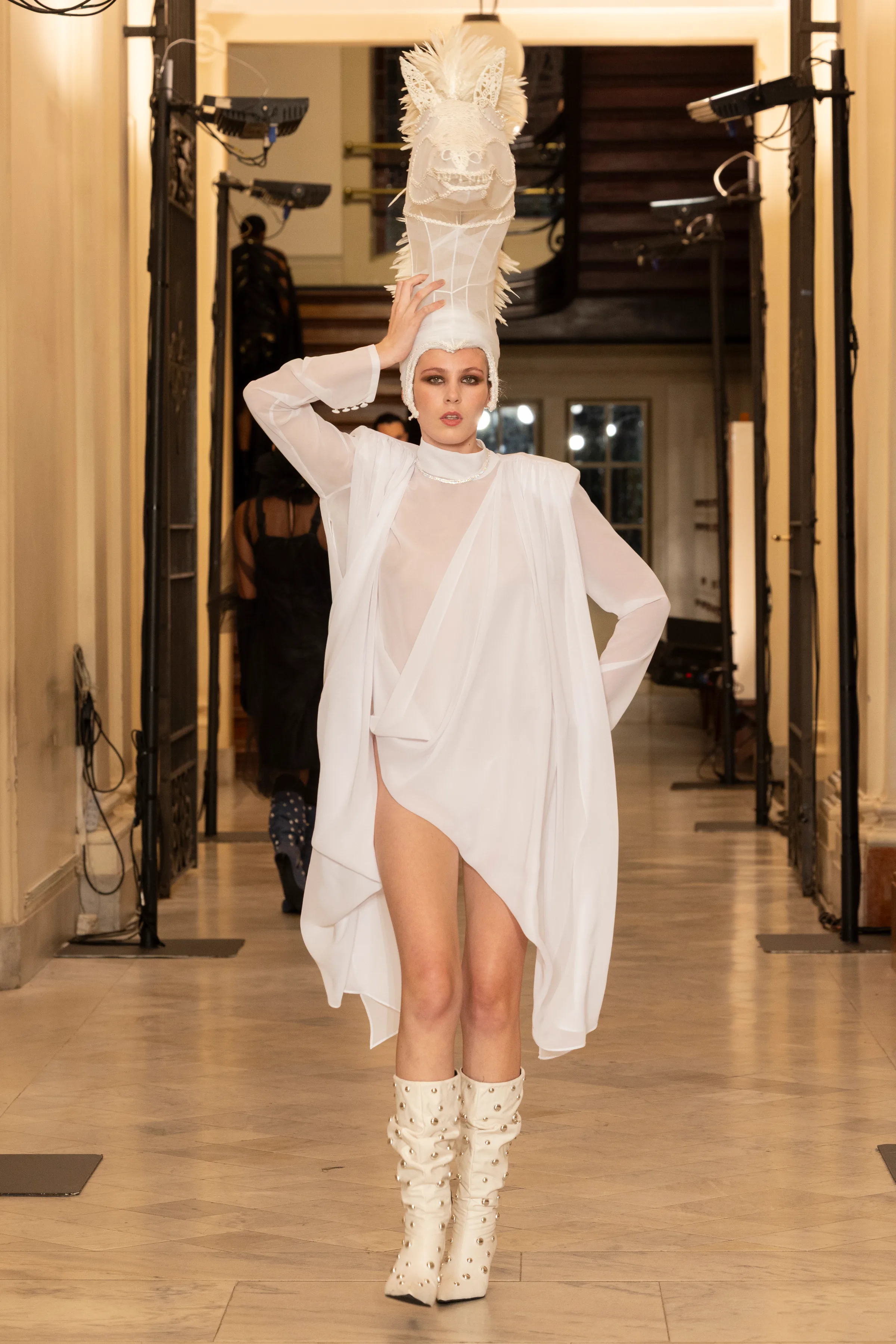
While Weider finds in territorial memory a way to reorganize his repertoire, Walério Araújo turns a public exposure experience into material for probing his own emotions. Between September and December 2025, the designer took part in the seventeenth edition of A Fazenda, a reality show from which he finished in fifth place after enduring virtually the entire confinement period. The experience, which he regards as a triumph of mental resilience, became the starting point for a collection divided into three sections, in which the garments accompany different moments of the experience. The first part is entirely white and conveys the challenge of dealing with emotions in an environment of competition, surveillance and contest. The colour choice also alludes to the fog that shrouded the house in Itapecerica da Serra, the show's setting, bringing the confinement atmosphere closer to an almost suspended image. In this ensemble, the shirtwork takes on expansive dimensions, and a chemise with three long sleeves offers a wry take on the straitjacket.
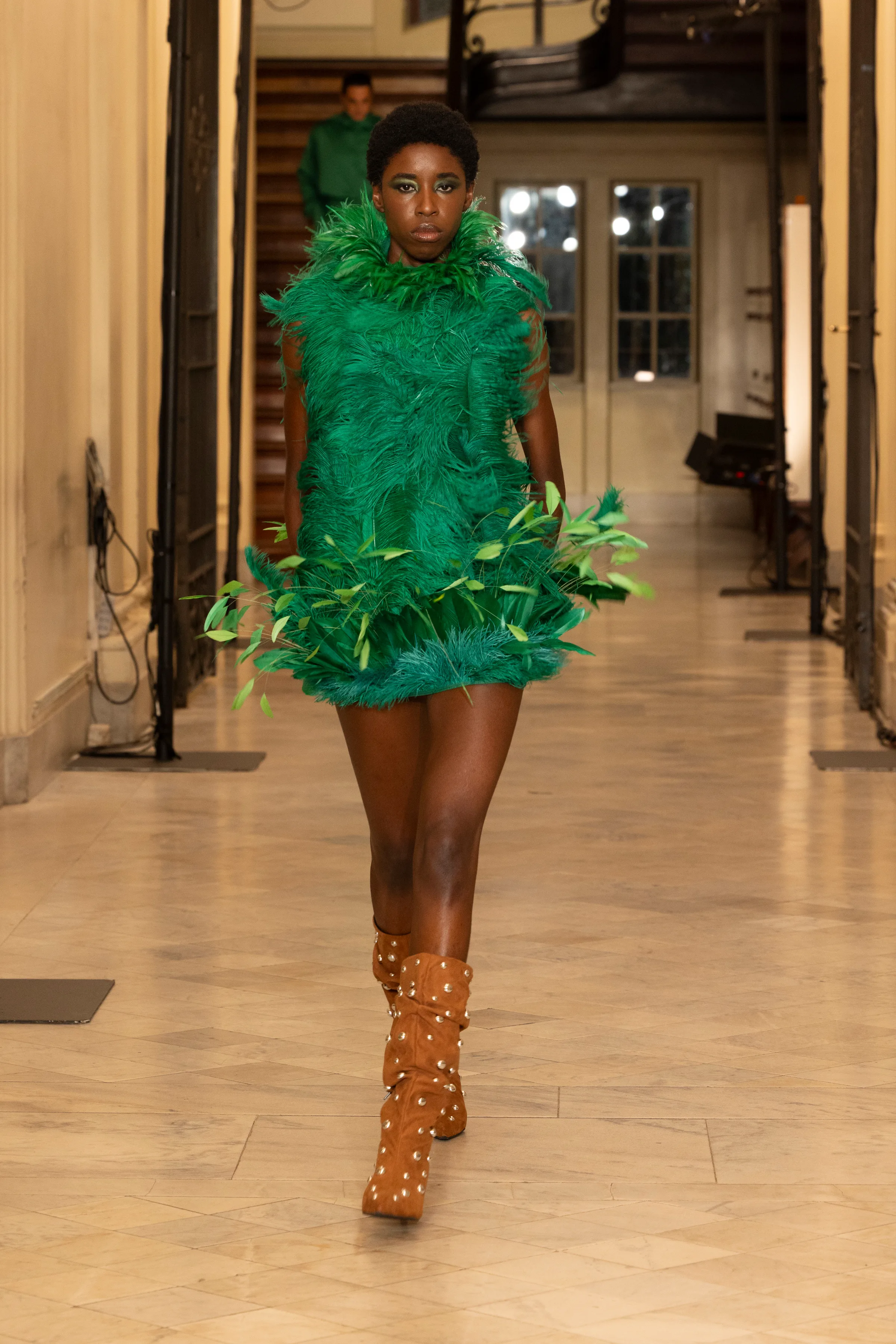
Irony does not eliminate the tension of reference: it turns the need to contain reactions and manage feelings into visual language in a context where every gesture can be observed. This idea reappears in the accessories created by 3D printing, hands placed over the eyes, ears or mouth, as representations of moments when the designer needed to control what he saw, heard or said. The manufacturing technology adds a contemporary layer to Walério's repertoire, but it is the meaning of the gesture that guides the reading. The body, clothed and adorned, becomes a field of contest between what it wishes to express and what it must silence. In the second segment, the palette shifts to black and gold, colors associated with the celebration of the designer's arrival in the program's top 10.
Each look is assigned a number from 1 to 10, referencing the 1960s haute‑couture runway tradition that honored a designer among the ten finalists. The sequence turns the reality‑show result into a kind of private ceremony, where the garment records a passage through an experience of resistance and recognition. The competition, previously felt as daily pressure, gains a visual form that allows its meaning to be reorganized. Rather than reproducing the television narrative, Walério selects his codes and converts them into style elements, making the collection a personal archive in which tension and celebration coexist.
Between the chant that crosses the sertão landscape and the spectacle that turns the television experience into language, Walério and Weider remind that creating is also choosing what deserves to remain, what needs to be reinvented, and which stories can still find new ways to reach the world.
Complete TV · Reels
Born in northern New York, Dianna Lopez @_diannalopez began making music almost by accident: she was helping a classmate at university.
See on InstagramFrom Complete




More from Sarah Rocksane Araujo
View profile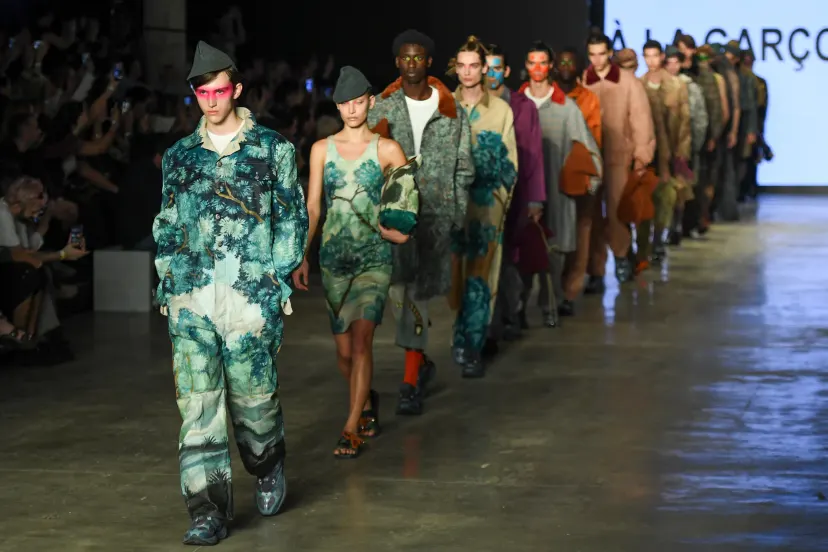
Latest from Complete
 FashionFORCA Studio at SPFW N61: Forca X, Bridgestone tire and punk leather
 DesignTomie Ohtake House‑Studio presents Zanine Caldas
 The CoverIn the beginning, we couldn't even use the word handicraft.
 CultureThievery Corporation, 30 years: the Washington duo that originated in bossa nova
 InnovationLight has become a building material
 The CoverBrazil still gives little recognition to genuinely Brazilian authorial fashion.
 BeautyBORNTOSTANDOUT arrives in Brazil