

Dawn Hoskin's brief history of queer art arrives in Brazil
With accessible language, a concise edition and a body of images that amplifies its narrative force, the book organised by curator Dawn Hoskin repositions art history through the lens of queer lives.
Words by

Words by Sarah Rocksane Araujo
Editorial, Fashion and Beauty
Listen to this story
With accessible language, a concise edition and a body of images that amplifies its narrative force, the book organised by curator Dawn Hoskin repositions art history through the lens of queer lives. Far from a mere inventory, the publication travels with critical rigour and visual appeal through the folds and silences of LGBTQIA+ representation in the visual arts. From classical sculpture to pop art, from art nouveau to street art, by way of video installation, the volume maps artistic expressions that often challenged social norms and won symbolic ground for dissident subjectivities.
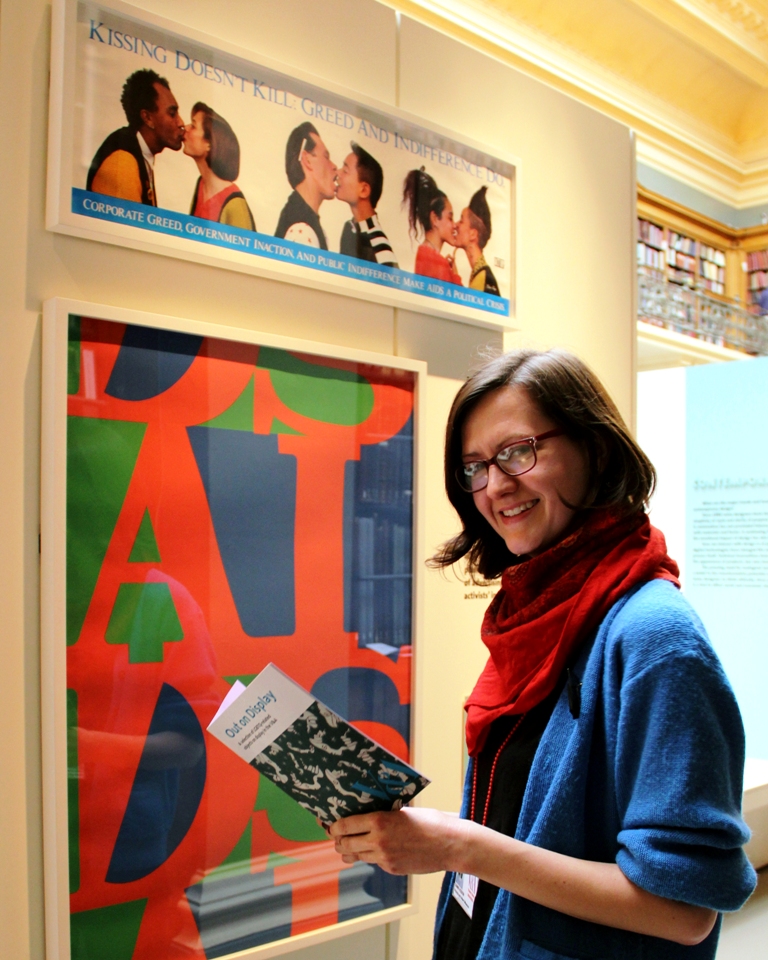
Instead of cold didacticism, the text invites listening: what do these images tell us about resistance, desire and belonging? By highlighting artists, works and movements previously marginalised or read at the margin, Hoskin does more than insert the queer theme into the canon, she challenges it. Each chapter is a kind of affective archaeology, excavating forgotten figures and recovering histories that weave another possible imagination for art. The reader is led to recognise that queer contributions were never peripheral, but structural: they shaped aesthetics, put discourses under tension and opened new ways of seeing and feeling. In doing so, the book also displaces the dominant gaze, opening space for multiple interpretations and more generous readings of global artistic production.
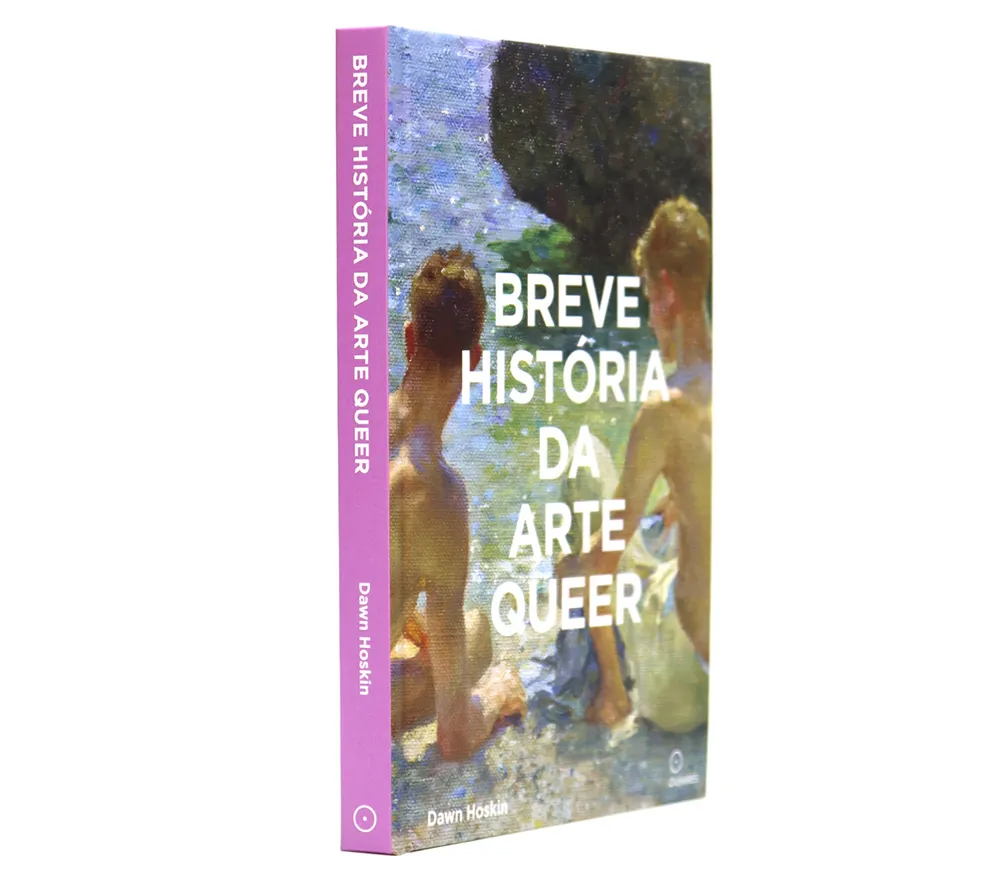
More than a guide, the work is an invitation to transform the way we look, not only at art, but at the very ways of living and expressing ourselves in the world. By combining historical analysis with critical listening, Hoskin builds a bridge between the past and the present of queer culture, showing how art has been, across the centuries, a territory of confrontation, celebration and reinvention. At a moment when hate speech and social regression threaten hard-won rights, the book emerges as a gesture of cultural resistance. A visual and political atlas, capable of inspiring artists, curators, researchers and readers to think of art as a living language of identities in flux.
Complete TV · Reels
A geografia sonora do Atlântico virou imagem e espaço.
See on InstagramFrom Complete




More from Sarah Rocksane Araujo
View profile

Latest from Complete
 FashionFORCA Studio at SPFW N61: Forca X, Bridgestone tire and punk leather
 DesignTomie Ohtake House‑Studio presents Zanine Caldas
 The CoverIn the beginning, we couldn't even use the word handicraft.
 CultureThievery Corporation, 30 years: the Washington duo that originated in bossa nova
 InnovationLight has become a building material
 The CoverBrazil still gives little recognition to genuinely Brazilian authorial fashion.
 BeautyBORNTOSTANDOUT arrives in Brazil