

Shop-window fashion, warehouse soul: when the desire for a trend meets authorial making
The glamour of shop windows and of clicks hides an industrial process that unfolds years earlier, in the offices of multinationals that control inputs, fabrics, finishes and, above all, the logistics that decide what will and will not be available on the market.
Words by
Words by Sarah Rocksane Araujo
Editorial, Fashion and Beauty
Listen to this story
The fashion chain, in its global machinery, rarely begins on the Instagram feed, even though that is where the public usually notices it. By the time a trend reaches influencers, bloggers and celebrities, it has already travelled a long way, and in most cases is close to its peak, or to its saturation. The glamour of shop windows and of clicks hides an industrial process that unfolds years earlier, in the offices of multinationals that control inputs, fabrics, finishes and, above all, the logistics that decide what will and will not be available on the market.
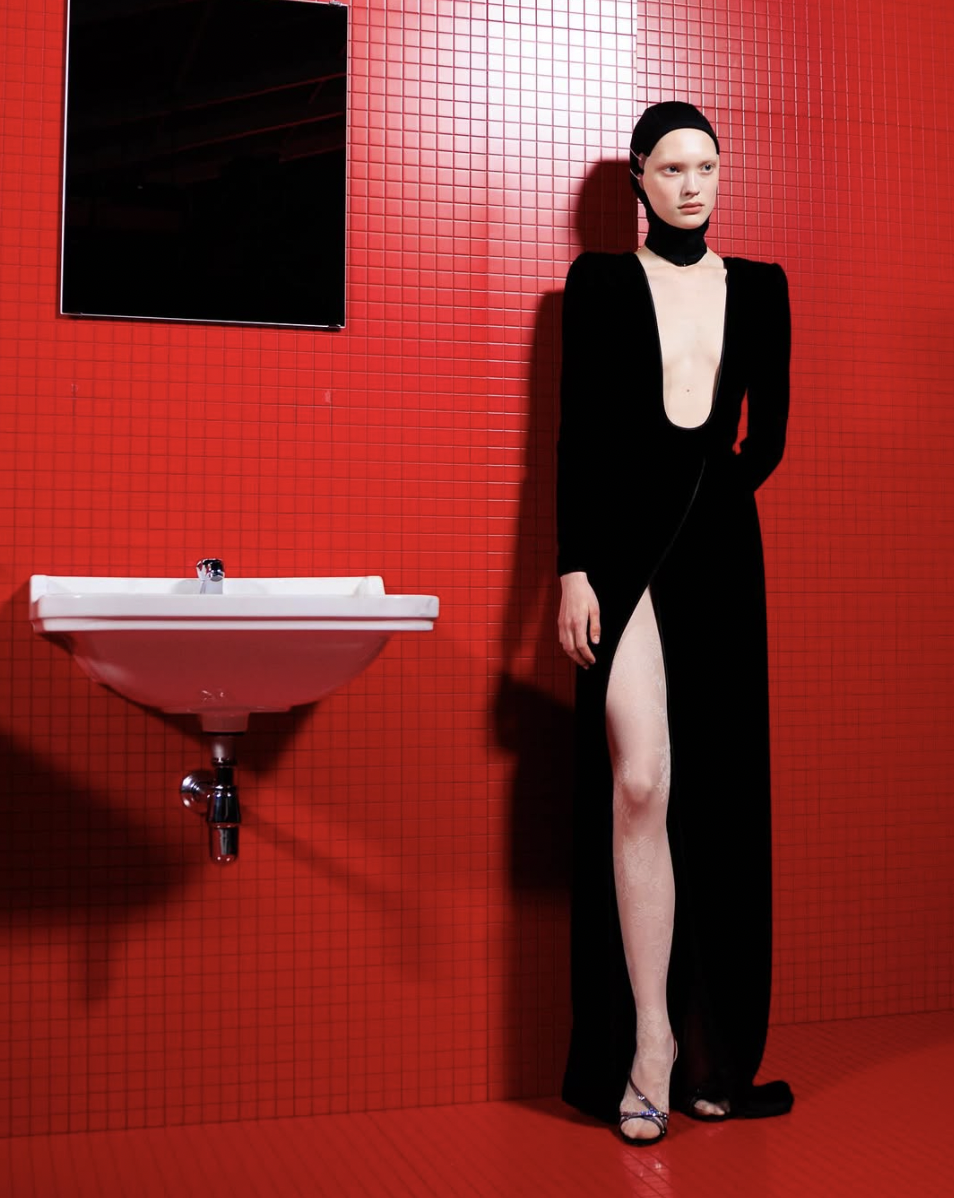
In those settings, far from the runways, strategic negotiations take place. International fairs such as Première Vision in Paris, Focus Fashion Summit in São Paulo, or Milano Unica in Milan present not only novelties but also answers to far more pragmatic questions: clearing stock, launching cheaper production technologies, making use of colours or raw materials already available at scale. A trend, in that sense, is frequently the consequence of logistical convenience and not only of some supposed creative breath from brands and designers.
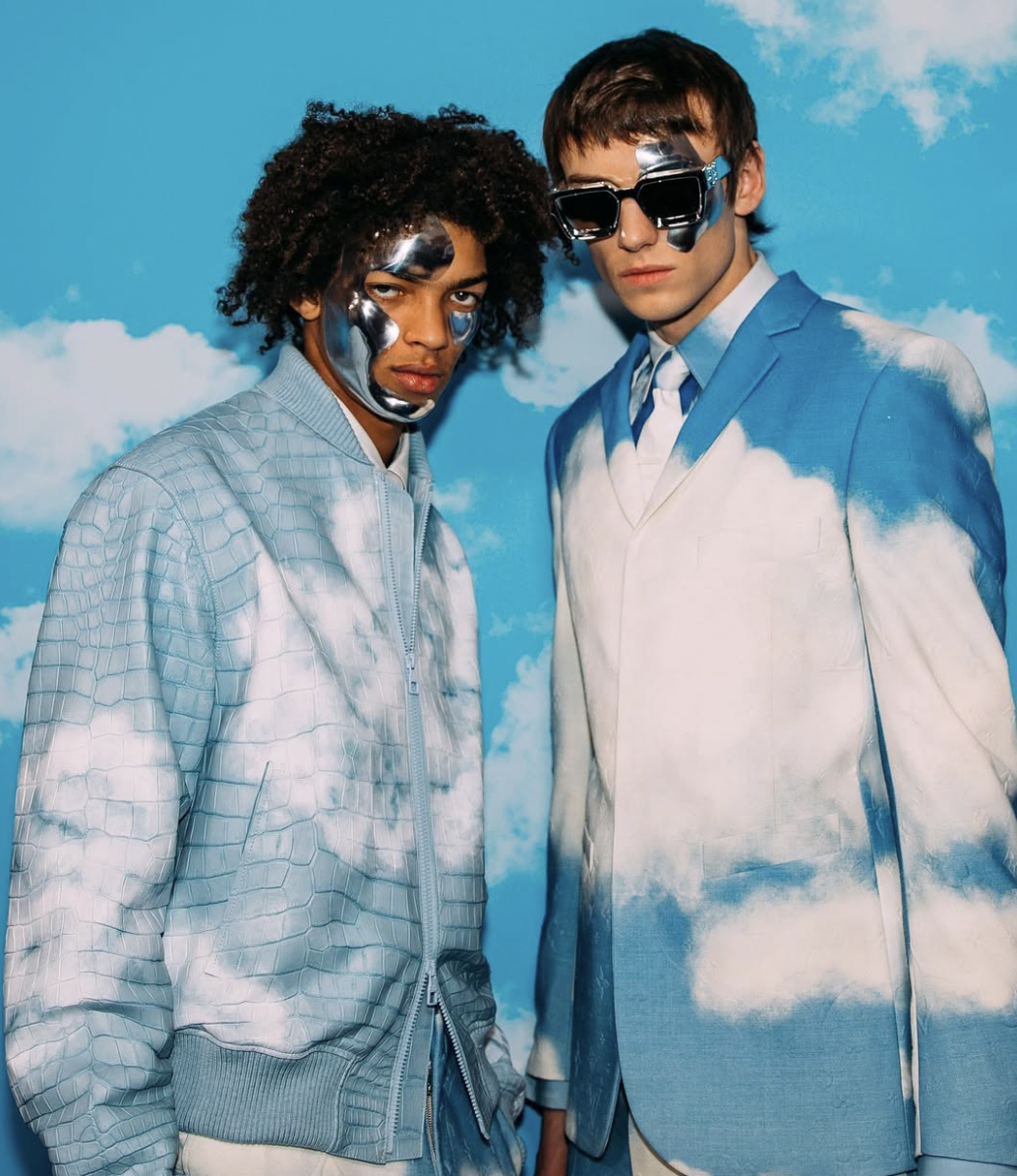
This is where trend forecasting agencies such as WGSN come in, along with institutes such as Pantone. What is sold as “colour of the year” or “cultural movement” is, in practice, the result of a synthesis between behaviour and industrial viability. The storytelling is built to sustain mass adoption, connecting consumption data, visual references and sociocultural narratives. It is a complex operation involving market psychology and emotional marketing, but which, in the end, still obeys the laws of production and distribution.
The big fashion brands play the decisive role in that game. Their power to place a product in shop windows around the world is what turns an item into a global trend. Influencers and celebrities then act as translators: they turn that product into desire, folding it into an aspirational lifestyle that accelerates consumption. They are not the original creators of those trends, but the ambassadors who make them tangible to the public. That system, highly efficient in economic terms, is also the field of greatest tension for anyone seeking authenticity in design. At the same time as authorial, independent and experimental fashion tries to create new narratives, often from research into materials, artisanal methods or specific cultural references, as well as the lived experience of each designer and creator, it competes for attention with a market capable of absorbing and diluting any innovation in record time. Or indeed of absorbing that creation into a snowball in which the industry of creation often fails to give due credit.
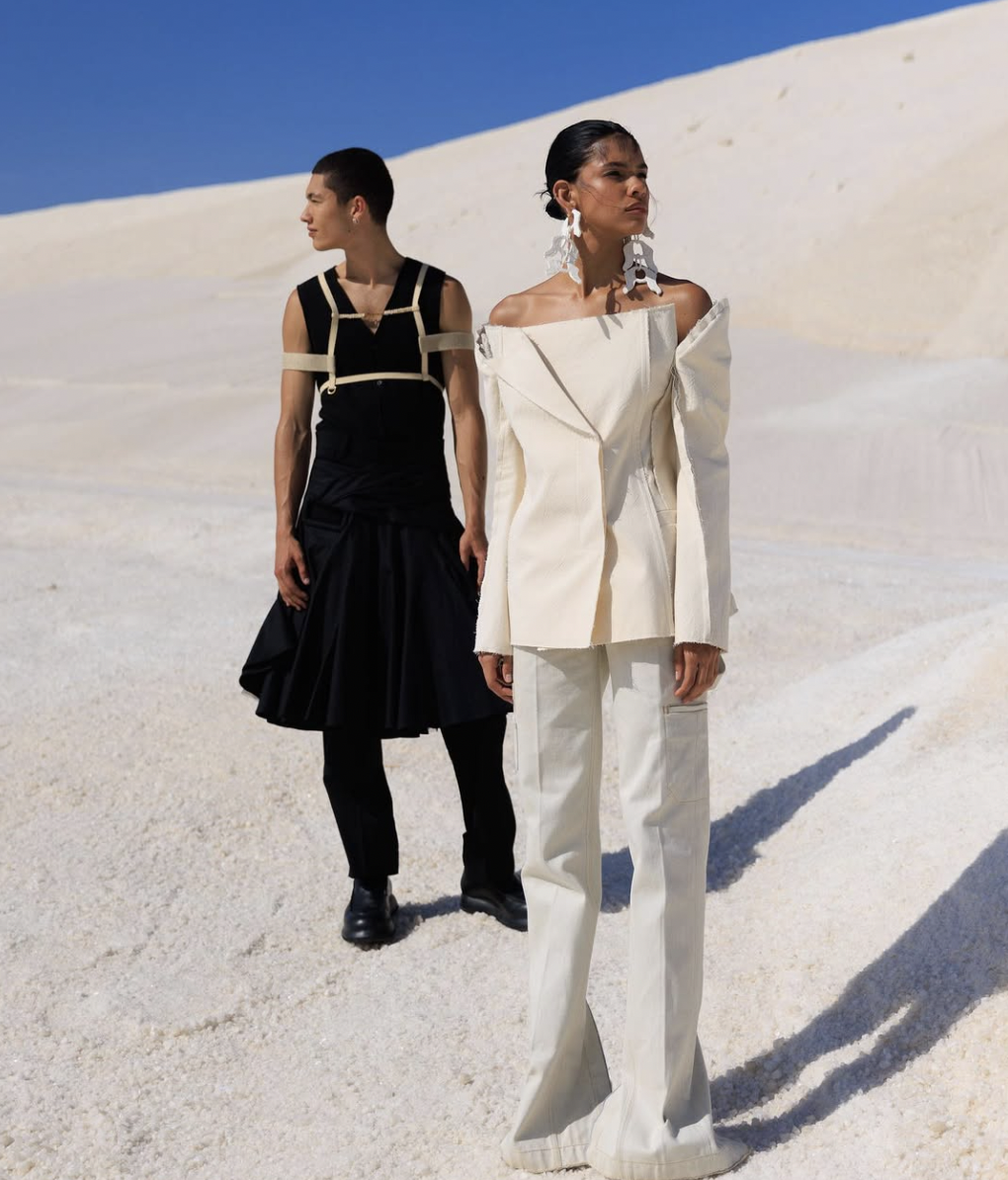
The central question for design in contemporary fashion is not only “what is trending”, but “where does it come from and whom does it serve”. Recognising that part of the creative choices is determined by supply chains and not only by artistic vision changes the way we understand what we wear. And it raises an ethical challenge: how to keep creative integrity in a system that turns even the most original gesture into a commodity?
In the current landscape, where the speed of circulation grows ever greater, space for genuinely authorial fashion demands strategies of its own: smaller production, targeted communication, commitment to consistent narratives and, above all, a calculated resistance to the homogenising forces of the market. If the global industry dictates colours, shapes and textures out of convenience, it falls to the designer, and to the consumer, to decide whether to follow that flow or to seek other paths.
Complete TV · Reels
@egon_lab Lazarus.
See on InstagramFrom Complete




More from Sarah Rocksane Araujo
View profile
Latest from Complete
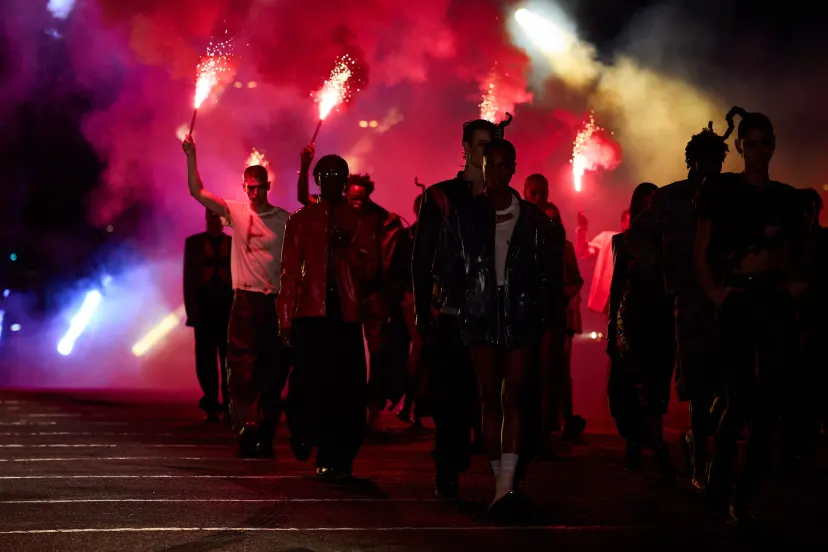 FashionFORCA Studio at SPFW N61: Forca X, Bridgestone tire and punk leather
 DesignTomie Ohtake House‑Studio presents Zanine Caldas
 The CoverIn the beginning, we couldn't even use the word handicraft.
 CultureThievery Corporation, 30 years: the Washington duo that originated in bossa nova
 InnovationLight has become a building material
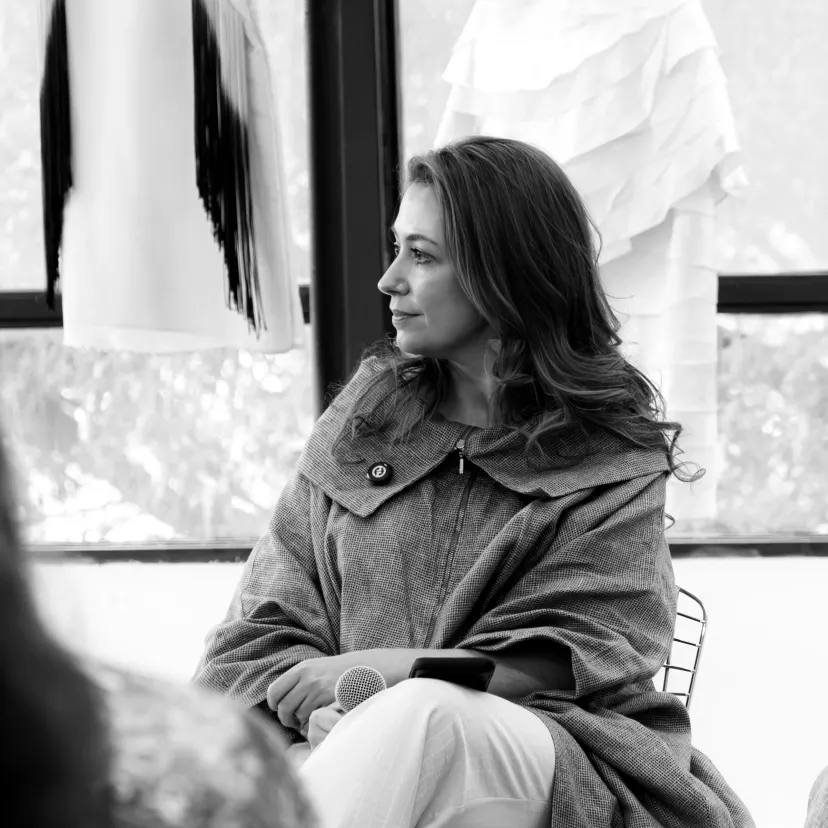 The CoverBrazil still gives little recognition to genuinely Brazilian authorial fashion.
 BeautyBORNTOSTANDOUT arrives in Brazil