

Rio Fashion Week: Aluf
In "Diálogos sobre o Tempo", Ana Luisa Fernandes displaces this unease to the realm of the body, transforming the runway into a space where past, present, and projection coexist in friction.
Words by
Words by Sarah Rocksane Araujo
Editorial, Fashion and Beauty
Listen to this story
ALUF opened the second day of Rio Fashion Week with a question that cannot be resolved, only traversed: how to inhabit time without being engulfed by it? In "Diálogos sobre o Tempo", Ana Luisa Fernandes displaces this unease to the realm of the body, transforming the runway into a space where past, present, and projection coexist in friction. It is not about providing an answer, but rather about sketching possibilities of existence. What is seen, first, is a suspension. The all-white looks establish a pause that is almost tactile, as if time were slowing down to allow us to observe its folds more closely. There is a silent precision in the design: structured high necklines, sleeveless knitwear that hugs the body without constraining it, and wide trousers that flow with ease. The silhouette does not impose itself; it suggests. And in this suggestion, the ALUF woman presents herself less as an idealized figure and more as a process in progress.
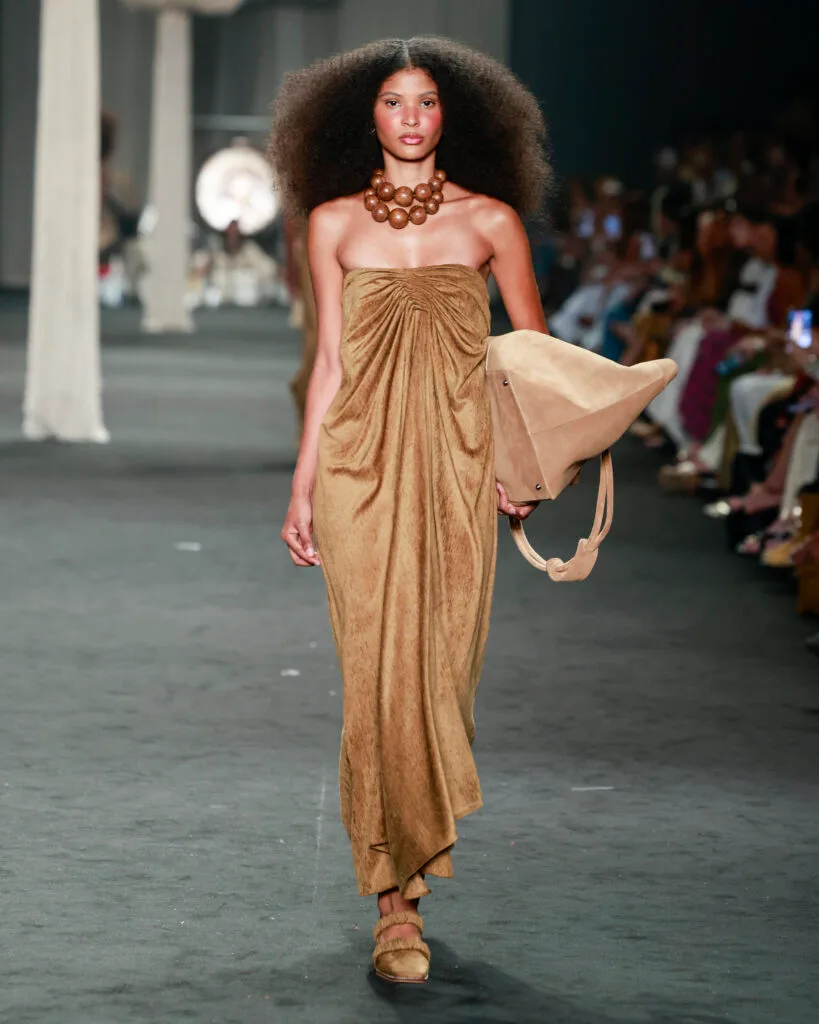
However, it is in the details that the discourse becomes more dense. The textures, sometimes quilted, sometimes slightly wrinkled, or traversed by discreet undulations, evoke the materiality of time. There are fabrics that resemble moving sand, others that seem already polished, almost pearlescent. The fringes appear as a marking of passage, a materialized tick-tock that accompanies the walking. Nothing here is merely ornamental; everything operates as a sign of duration, of transformation. The palette reinforces this journey. From the initial white to beige and ochre, the collection anchors itself in an earthy, almost mineral scale, suggesting sedimentation. At times, coral bursts forth like a pulse. Meanwhile, black appears as an axis, organizing the gaze and introducing a more graphic dimension, especially when it dialogues with the chalk stripes, reinterpreted with slight irregularity. It is as if the brand were revising its own codes, allowing for small deviations.
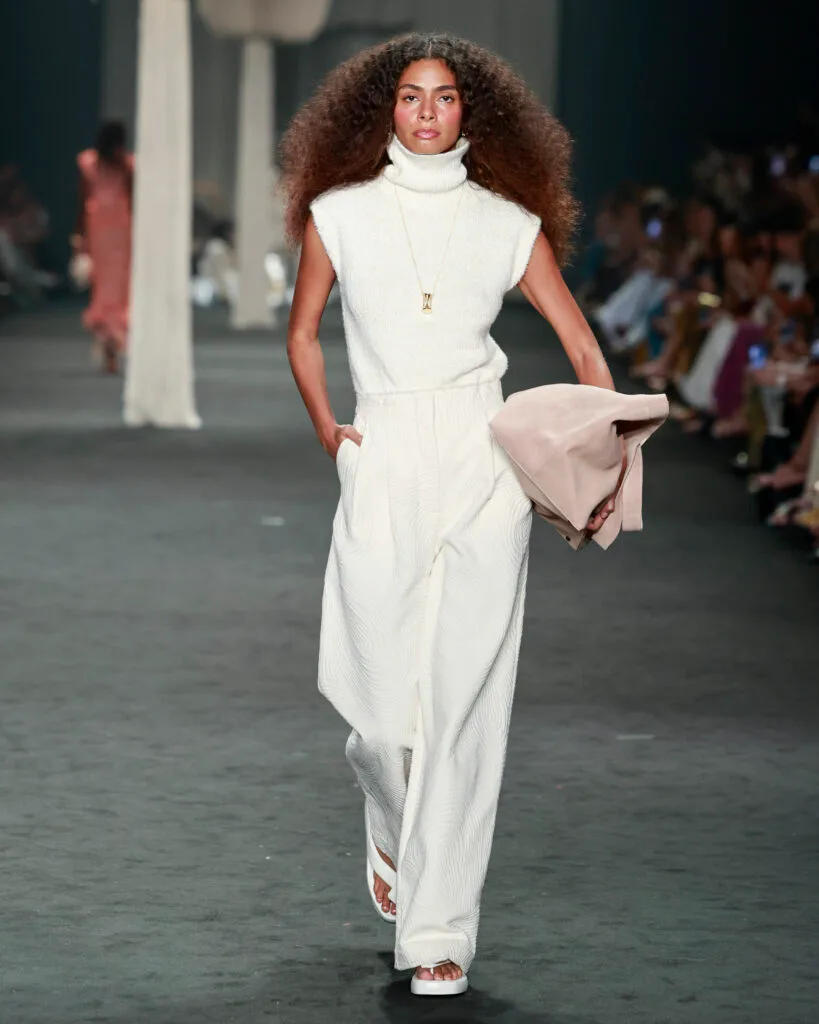
The silhouettes reveal one of the most interesting aspects of the collection: the clash between control and fluidity. On one hand, draped dresses that follow the body in continuous, almost liquid curves. On the other, structures reminiscent of tailoring, defined waists, volumes at the hips, vests, and layering that organize the torso. The so-called "tic-tac women" appear precisely in this hybrid territory: firm, yet not rigid; aware of external time, yet still connected to an internal rhythm. The accessories literalize and expand the concept. The circular bags, with inscriptions that evoke Roman numerals, operate as small portable clocks, while the jewelry evokes time mythologies, shifting the discourse to a symbolic dimension. There is something ritualistic about this ensemble, as if each look were an entity, a contemporary goddess negotiating daily between deadlines, desires, and memory.
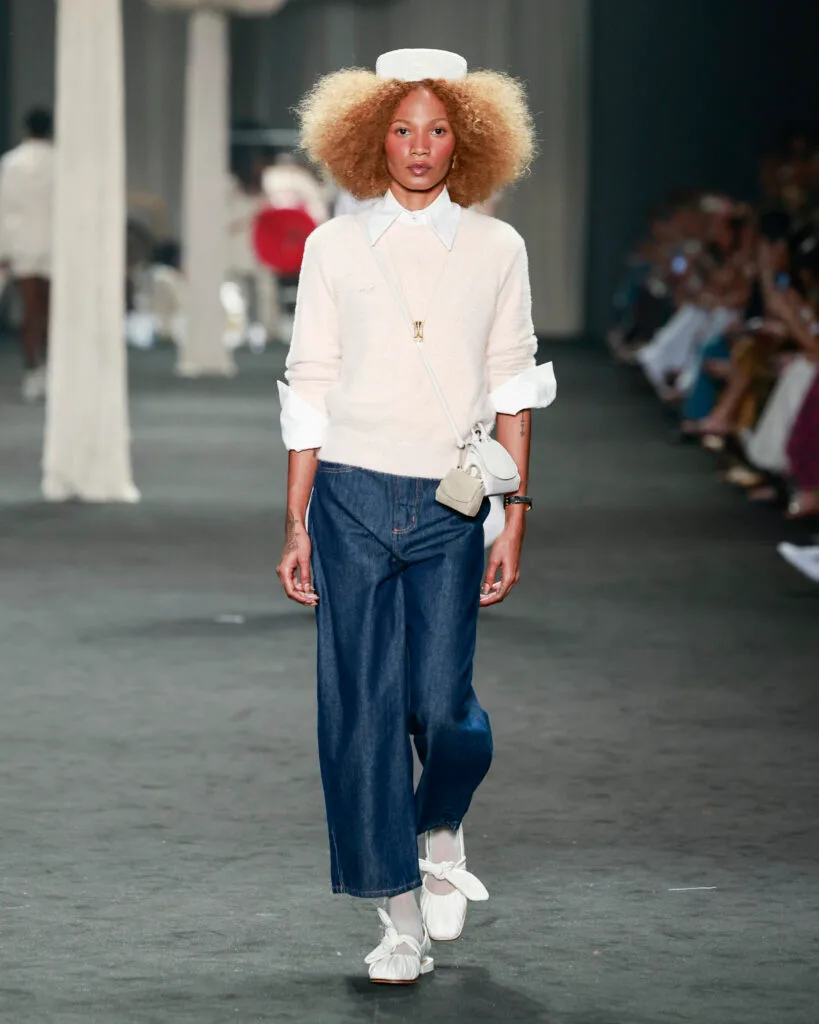
In the end, what ALUF presents is not just a collection, but a refinement of language. The playful aesthetic that has always characterized the brand remains, but now it is tempered by a greater awareness of the world.
Complete TV · Reels
Maja Petrić: a artista que escreveu a própria inteligência artificial
See on InstagramFrom Complete


More from Sarah Rocksane Araujo
View profile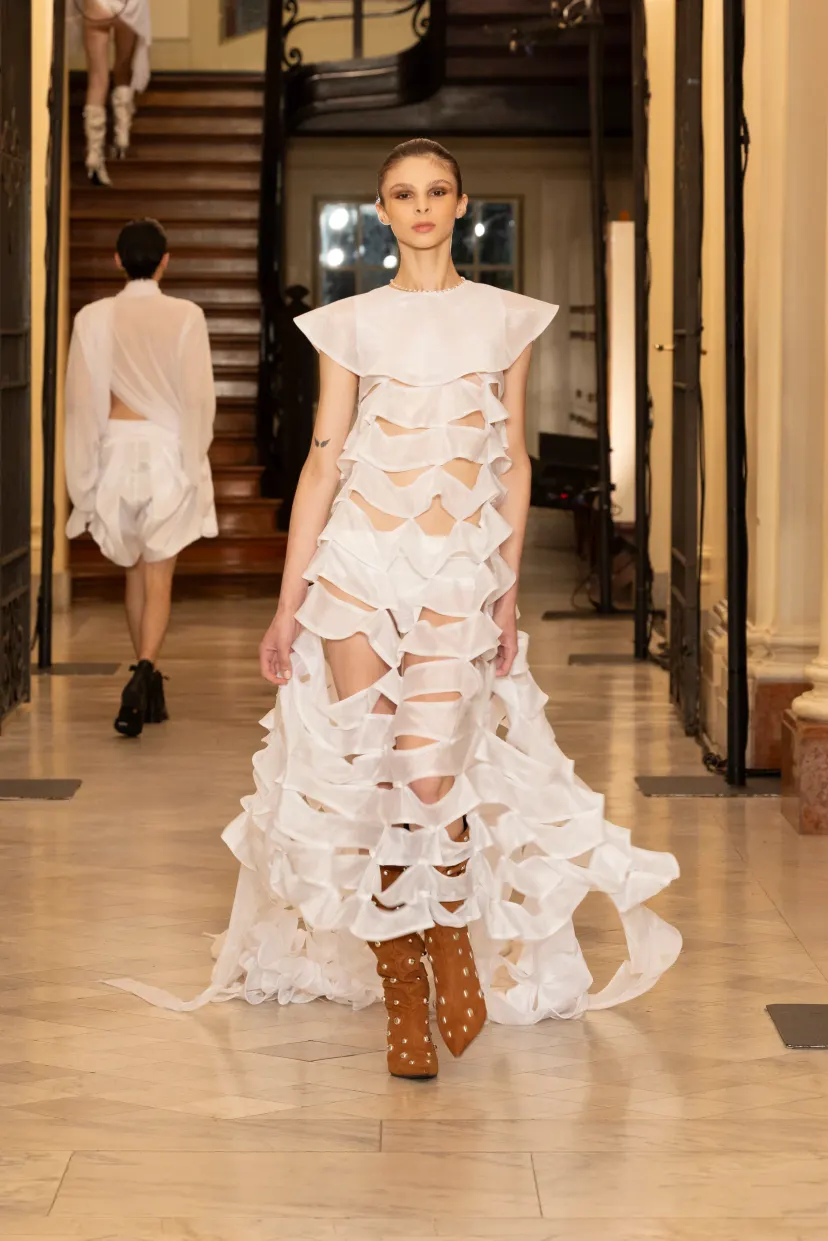
Latest from Complete
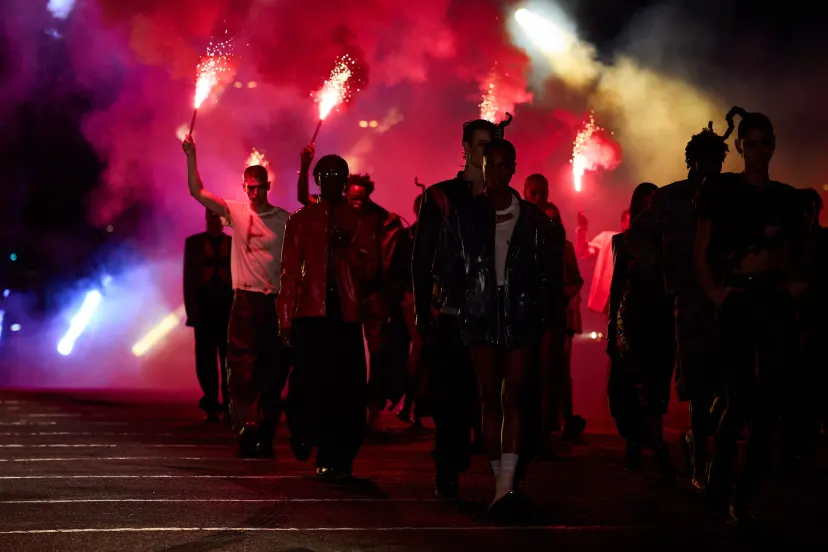 FashionFORCA Studio at SPFW N61: Forca X, Bridgestone tire and punk leather
 DesignTomie Ohtake House‑Studio presents Zanine Caldas
 The CoverIn the beginning, we couldn't even use the word handicraft.
 CultureThievery Corporation, 30 years: the Washington duo that originated in bossa nova
 InnovationLight has become a building material
 The CoverBrazil still gives little recognition to genuinely Brazilian authorial fashion.
 BeautyBORNTOSTANDOUT arrives in Brazil