

SPFW at 30: the legacy and the future of Brazilian fashion
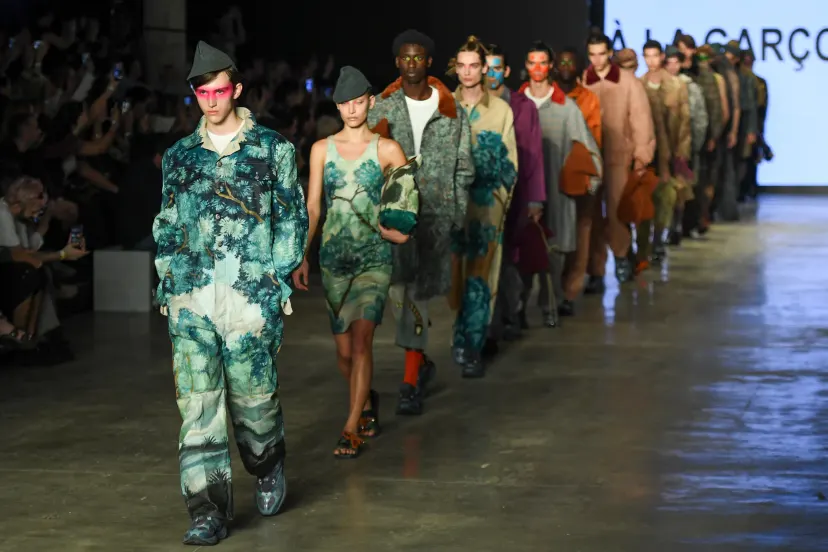
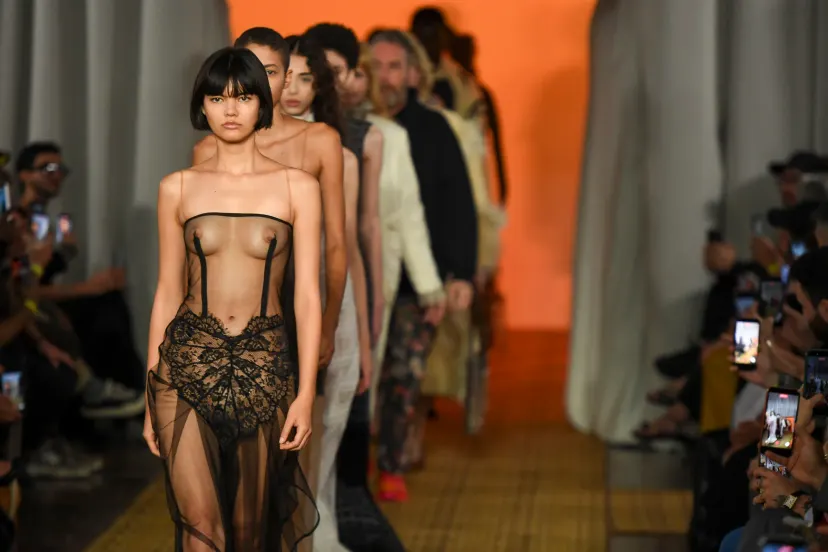
São Paulo Fashion Week turns three decades old as the most significant event in the southern hemisphere, a structuring axis of Brazilian fashion that goes beyond the runway to become a field of symbolic dispute and of identity affirmation.
Words by

Words by Sarah Rocksane Araujo
Editorial, Fashion and Beauty
Listen to this story
Fashion weeks, held around the world, are more than mere showcases for new collections of clothing, footwear and accessories; they work as strategic devices that articulate aesthetics, market and cultural identity. Since that format was institutionalised, with the "Press Week" of 1943 in New York, the events have expanded, consolidating themselves as platforms of influence, such as Mercedes-Benz Fashion Week, Paris Fashion Week and, in the Brazilian context, São Paulo Fashion Week (SPFW). Those circuits, divided annually into Autumn/Winter and Spring/Summer seasons, do not merely reveal trends, they outline the topography of the fashion field, establishing relations of power between creators, industries and consumers.

The shows, carefully choreographed with sets and soundtracks, are not merely presentations; they are visual narratives that put past and future, tradition and rupture, under tension, building an imagination that goes beyond the ephemeral and inscribes itself in the cultural and economic history of each nation.
In Brazil, São Paulo Fashion Week turns three decades old as the most significant event in the southern hemisphere, a structuring axis of Brazilian fashion that goes beyond the runway to become a field of symbolic dispute and of identity affirmation. Originating as Phytoervas Fashion, the event repositioned itself over the years, consolidating a system of its own that links creators, industries, educational institutions and cultural policy.
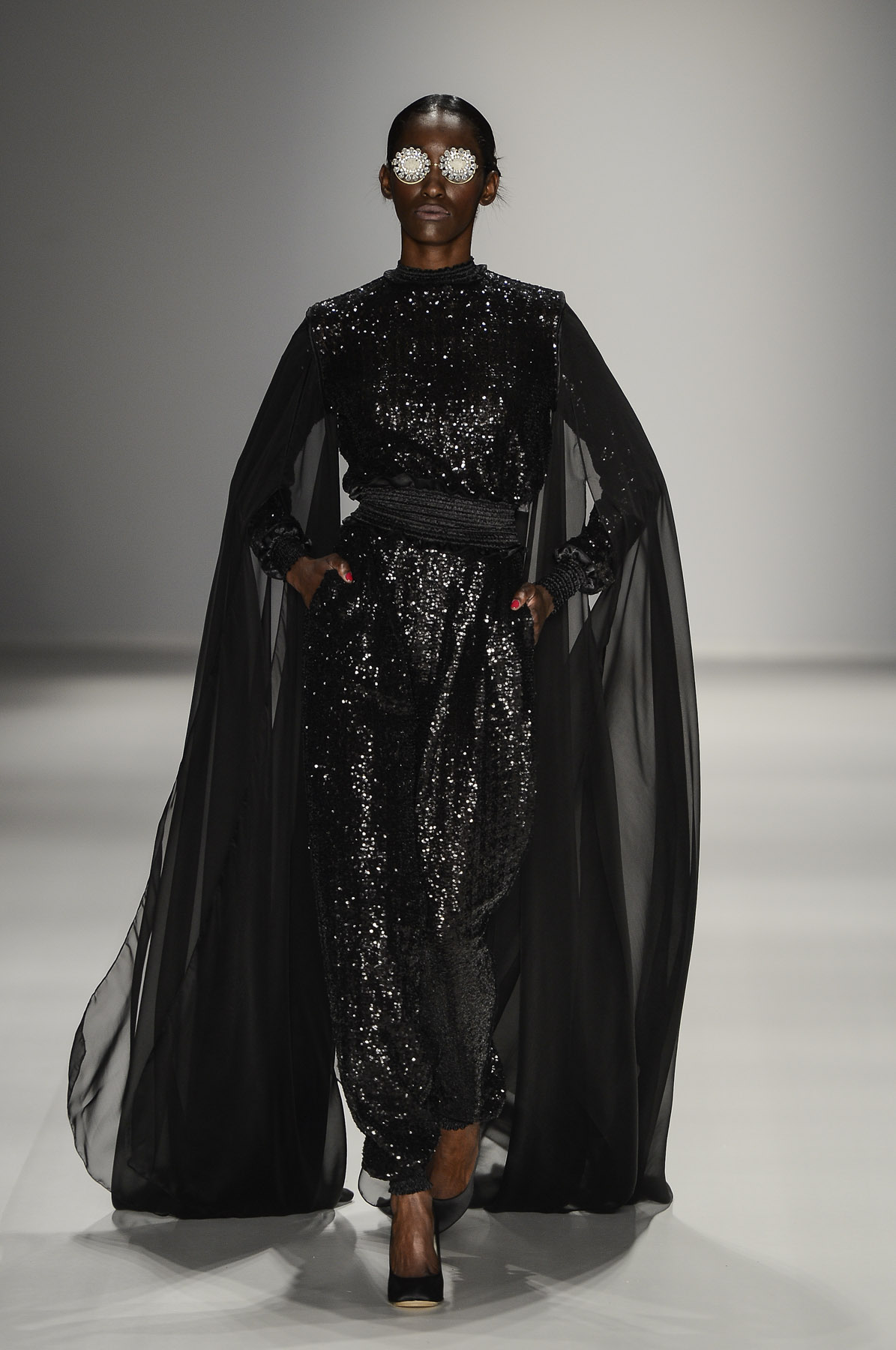
Along that path, it has not only driven careers and established a narrative of Brazilianness in fashion, it has also taken on questions of diversity, sustainability and innovation, anticipating debates that today resonate globally. Its impact is not limited to what is shown on the runway: SPFW works as an agent of transformation, articulating relations between market and subjectivities, reinforcing fashion as a field of language and an expression of social values. The growing inclusion of new profiles of designers and the reframing of the cultural references present in the collections make plain the role of fashion as a field of identity negotiation and a space where the symbolic disputes of the contemporary are played out.
At the crossing of fashion, culture and communication, fashion takes shape as a system of meaning that goes beyond the materiality of clothing. Roland Barthes (2009) argues that the desire projected onto fashion does not reside in the object itself, but in the symbolic construction that surrounds it; the garment is less an end than a means of producing meaning. In that context, SPFW and other industry events become arenas where national and subjective narratives are woven, making plain that fashion is a field in constant reframing.
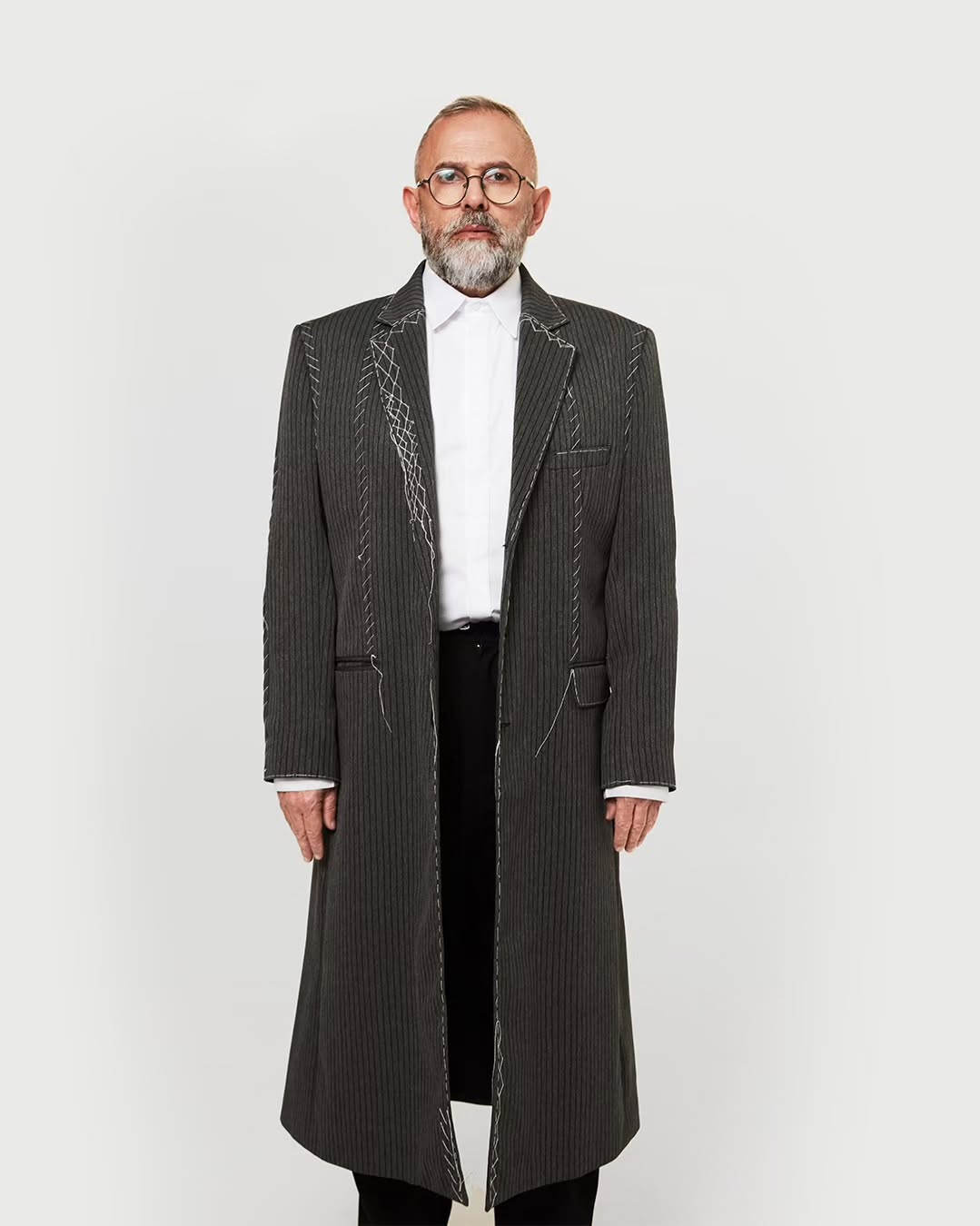
Through the articulation of design, technology and ancestry, Brazilian fashion inscribes itself not merely as a reflection of the country's social and economic dynamics, but as an active force in the construction of its plural identities.
Working at the intersection of desire and representation, fashion and identity, tradition and rupture, SPFW thus reaffirms itself as a phenomenon that goes beyond the surface of the fabric: a mirror and a stage of the cultural transformations under way.
Complete TV · Reels
@egon_lab Lazarus.
See on InstagramFrom Complete





More from Sarah Rocksane Araujo
View profile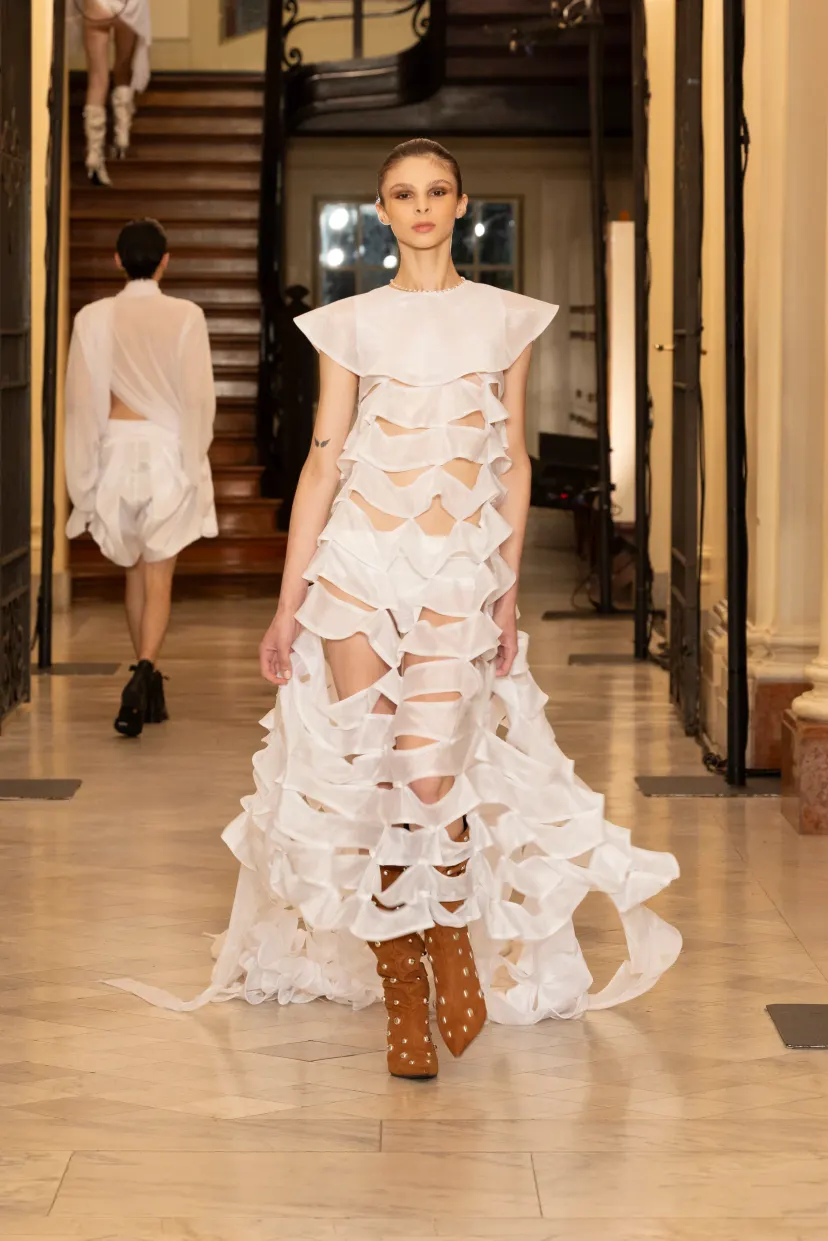
Latest from Complete
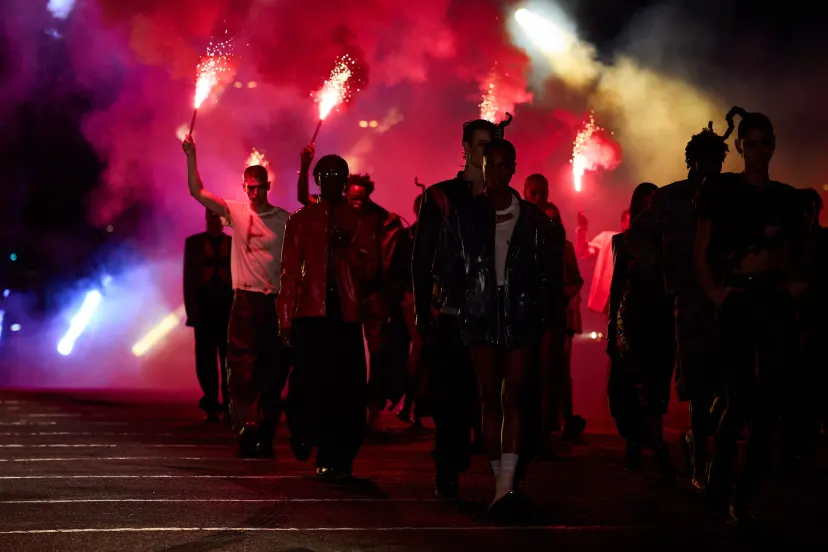 FashionFORCA Studio at SPFW N61: Forca X, Bridgestone tire and punk leather
 DesignTomie Ohtake House‑Studio presents Zanine Caldas
 The CoverIn the beginning, we couldn't even use the word handicraft.
 CultureThievery Corporation, 30 years: the Washington duo that originated in bossa nova
 InnovationLight has become a building material
 The CoverBrazil still gives little recognition to genuinely Brazilian authorial fashion.
 BeautyBORNTOSTANDOUT arrives in Brazil