

The Real Fremen: when the fashion of Dune meets original peoples
Frank Herbert, creator of the Dune universe, acknowledged that inspiration. The litham, the veil that protects against sand and heat, is a clear example of how elements of desert survival become icons of style on screen.
Words by

Words by Sarah Rocksane Araujo
Editorial, Fashion and Beauty
Listen to this story
The Fremen of Dune did not come from nowhere. Their visual force, veils, robes, ornaments and tattoos, is not merely the fruit of cinematic invention, but a direct inheritance from the culture of original peoples of North Africa. The aesthetic base that sustains those characters' identity comes from the Tuareg, a nomadic people of the Amazigh ethnic group, whose presence extends across Mali, Niger, Algeria and Libya.
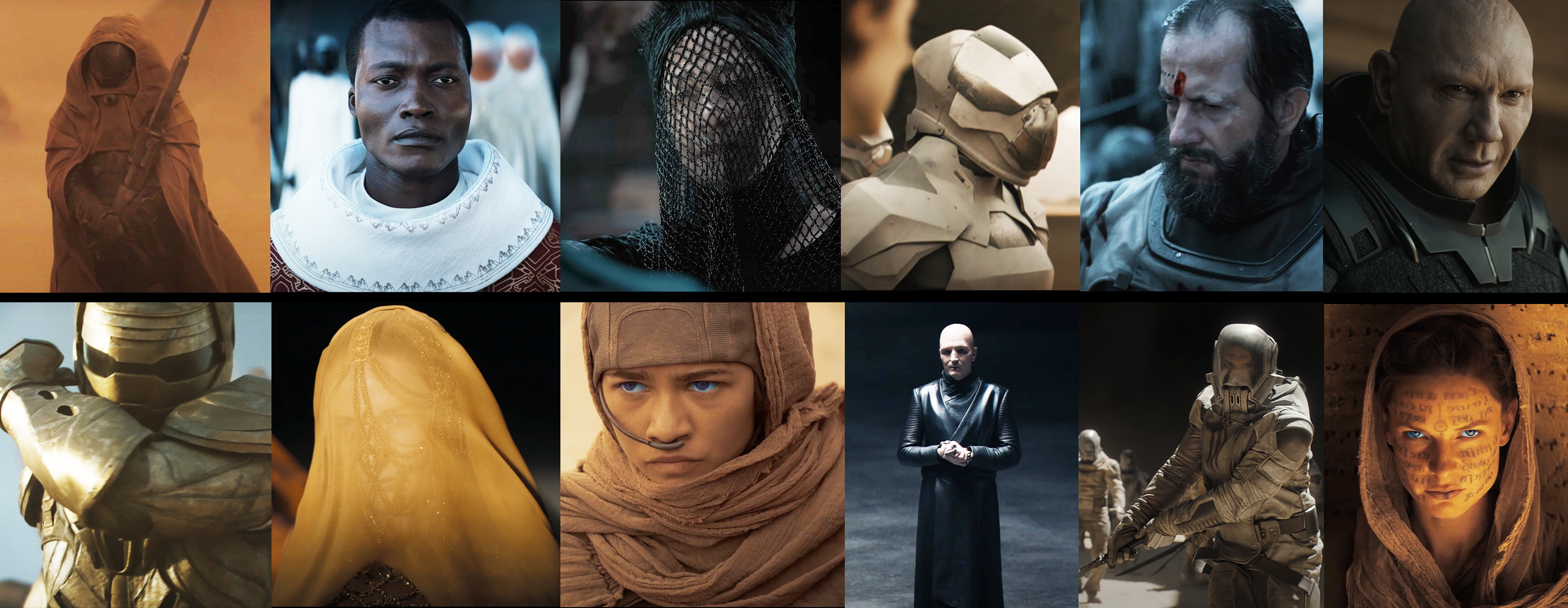
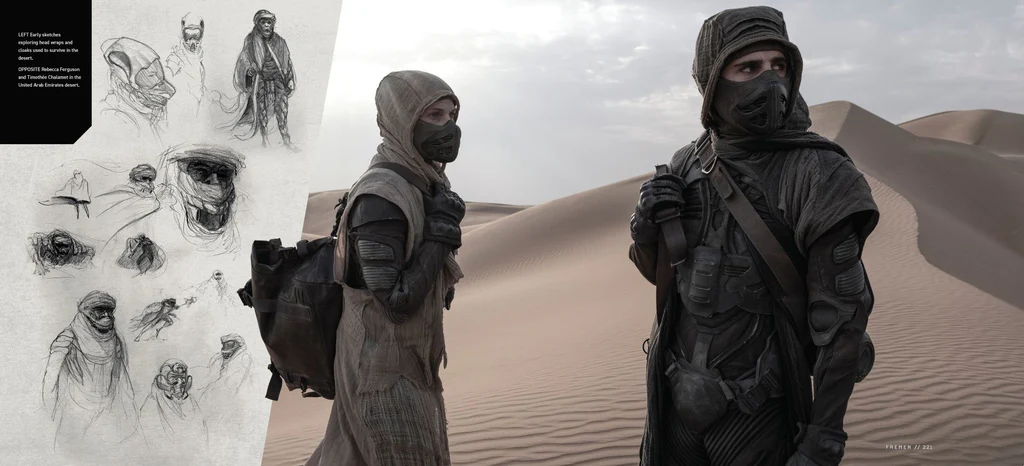
Frank Herbert, creator of the Dune universe, acknowledged that inspiration. The litham, the veil that protects against sand and heat, is a clear example of how elements of desert survival become icons of style on screen. For the Tuareg it is more than an accessory: it is an ancestral technology, built over centuries, that unites function and cultural meaning.
In the costumes of Dune, that influence goes far beyond what is seen at first glance. In Dune: Part Two, Lady Jessica wears facial tattoos almost identical to those traditionally worn by Amazigh women, symbols that work as protective amulets and are tied to fertility and spirituality. They are not mere visual adornment, they are narratives inscribed on skin.
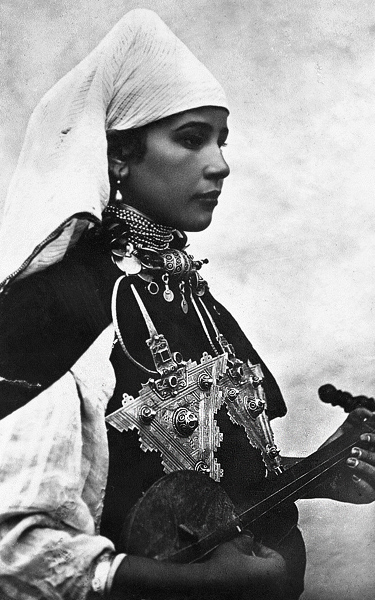
The jewellery also carries that exchange. Princess Irulan's headpiece, though derived from a Paco Rabanne FW2020 model, bears clear references to Amazigh metalwork and symbolic codes. The adaptation shows how the fashion and film industries absorb traditional knowledge, but also makes an ethical dilemma plain: who benefits and who stays invisible?
And that is where the crucial point lies. When the aesthetics of original peoples are used without due credit or participation, there is a risk of emptying their meaning and perpetuating the historical invisibility of those groups. Recognising the origin is not an optional gesture: it is a political act and one of cultural repair.
Dune proves that the visual impact of science fiction cinema can be born of the meeting between an imagined future and an ancestral past. But it also reminds us that preserving those cultures is not done on screen alone; it demands real recognition, public acknowledgement and support for the communities that keep those traditions alive.
The future of fashion and design will not be built only by new technologies or seasonal trends, but by respect and by the conscious integration of visual languages that survived centuries of oppression. Because every fold of fabric, every line of tattoo and every piece of jewellery carries not only beauty, but the history of a people who resisted, and who deserve to be seen, heard and credited.
Complete TV · Reels
Chaos and order, by composer tOmO
See on InstagramFrom Complete






More from Sarah Rocksane Araujo
View profile
Latest from Complete
 FashionFORCA Studio at SPFW N61: Forca X, Bridgestone tire and punk leather
 DesignTomie Ohtake House‑Studio presents Zanine Caldas
 The CoverIn the beginning, we couldn't even use the word handicraft.
 CultureThievery Corporation, 30 years: the Washington duo that originated in bossa nova
 InnovationLight has become a building material
 The CoverBrazil still gives little recognition to genuinely Brazilian authorial fashion.
 BeautyBORNTOSTANDOUT arrives in Brazil