

Casa de Criadores 56: new voices and narratives in Brazilian fashion
With a spirit of disruption and a focus on new narratives, the 56th Casa de Criadores brought together established names and new bets, combining aesthetic research, cultural argument and technical innovation to strengthen independent Brazilian fashion.
Words by
Words by Caíque Nucci
Editor-in-Chief
Listen to this story
The 56th edition of Casa de Criadores has established itself as a landmark in the Brazilian fashion calendar, reaffirming the event as a showcase for new voices, narratives and experiments. This season the runway brought together work that treats fashion as a cultural, political and aesthetic tool, in constant reinvention. From historical drama to provocations of identity, by way of affective recovery and technological experiment, each label presented new possibilities for dress and reinforced plurality as a creative force.
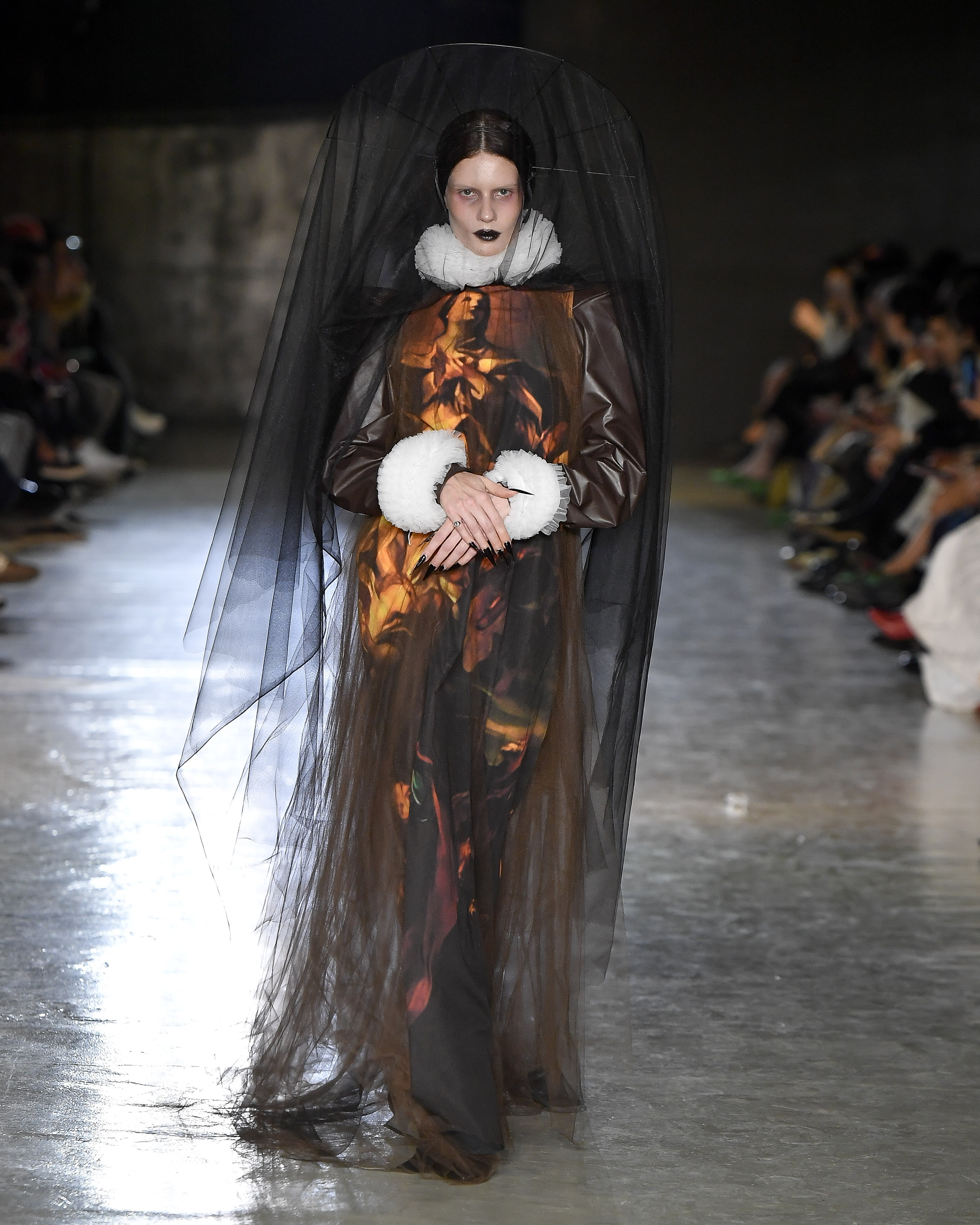
Rober Dognani
With his characteristic drama, Rober Dognani revisits family memories to build a theatrical show, crossed by Victorian, Hispanic and vampiric references. Between velvets, frills and crinolines, the designer keeps his technical command and visual intensity, exploring collaborations and textures that widen his signature. The show is a symbolic return to the Old Continent, stitching personal history, artistic references and the dramaturgy that marks his path.
Casa Paganini
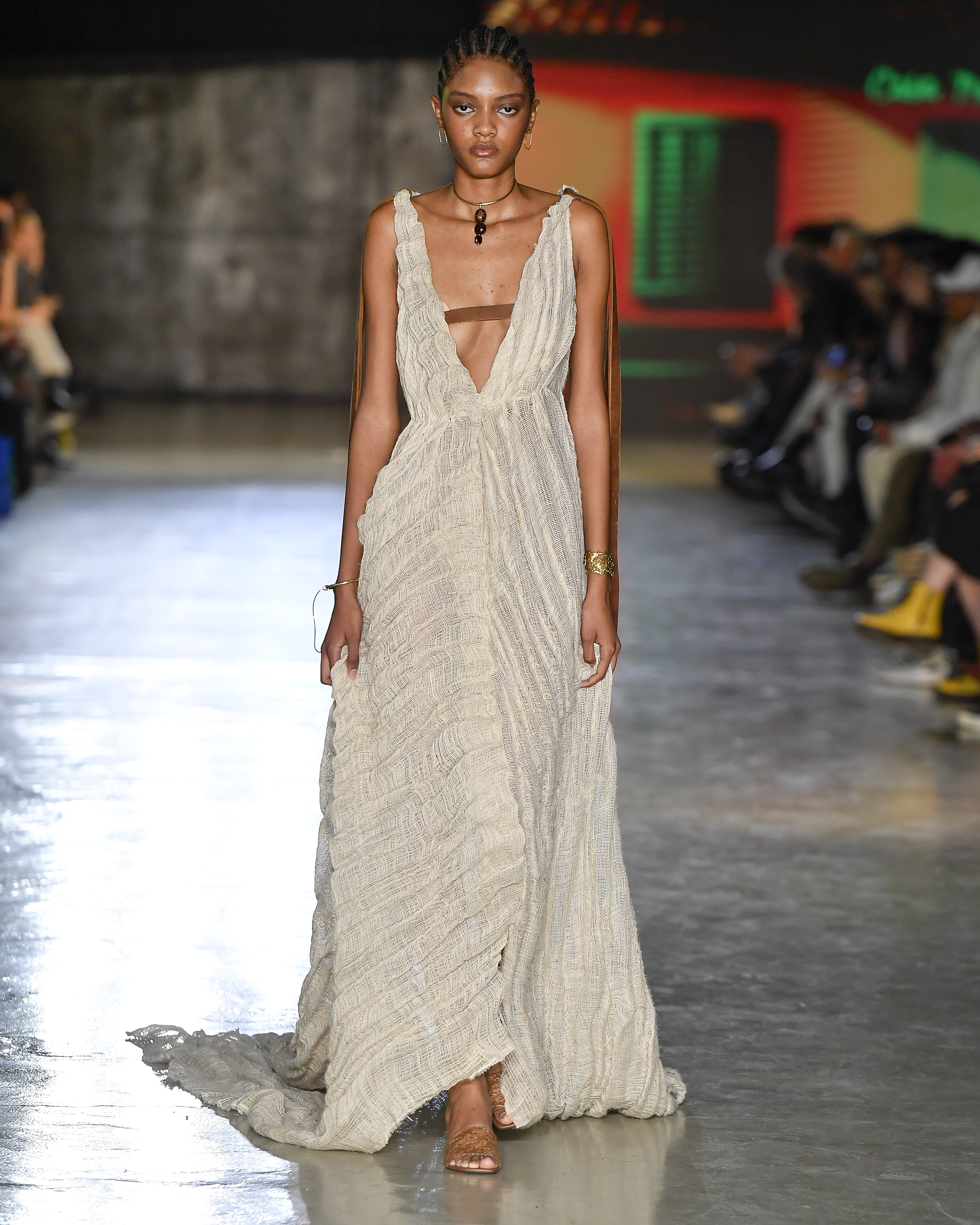
In his debut at Casa de Criadores, Guilherme Paganini presents “Raízes”, a collection that unites rigour of construction and ancestral affection. Inspired by his family and by the traditions of Espírito Santo, the designer brings filet lace, biojewellery and handloom bags, mixing architectural forms with materials of strong symbolic charge. With Japanese references and a palette that recalls Brazilian nature, the collection affirms a conscious making on an extended timescale, valuing handwork as a political gesture.
Lucas Caslú
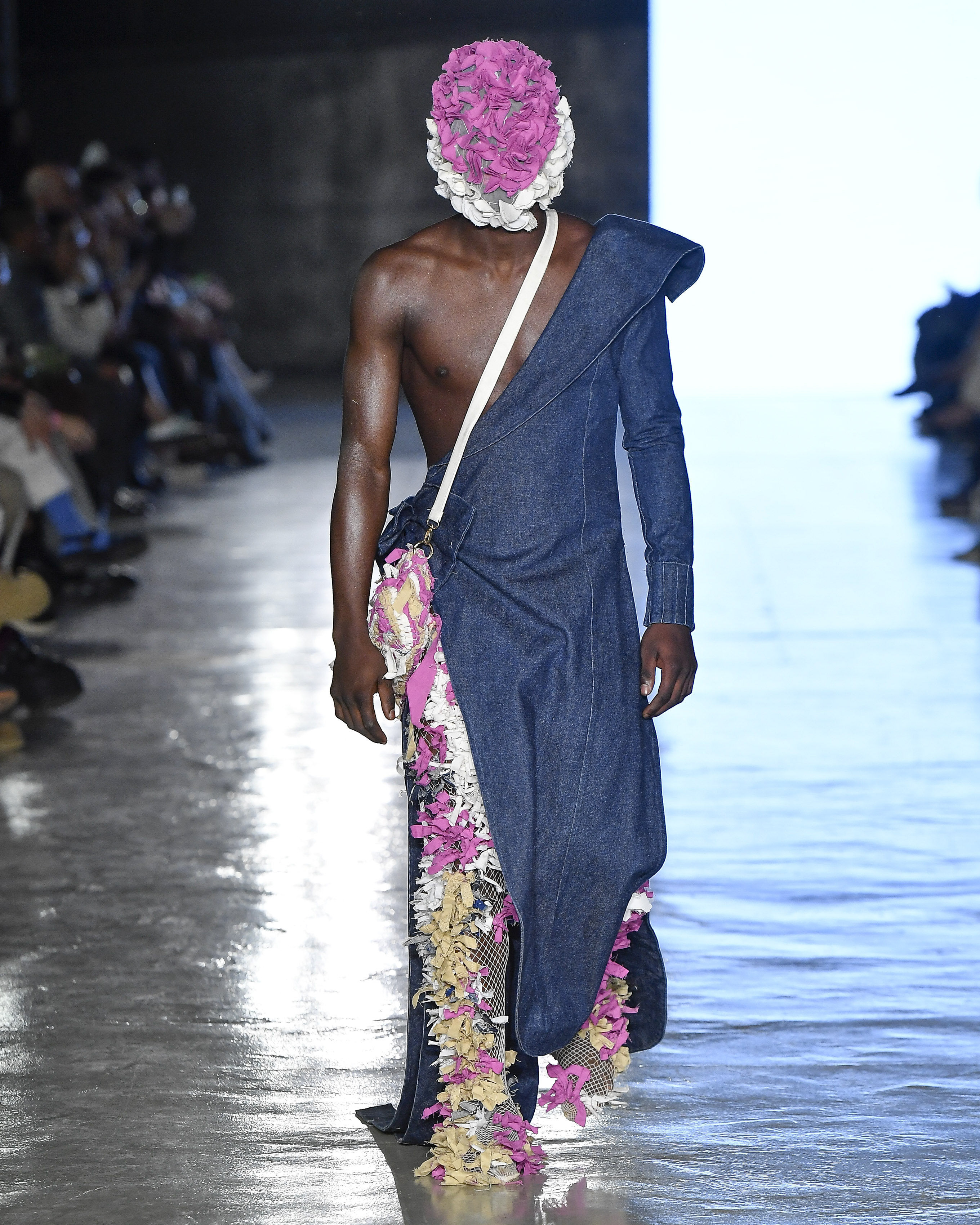
“Experimentos” is born of an immersion in Lucas Caslú's own creative archive, where old sketches and past pieces meet in new combinations. The collection bets on contrasts of texture and volume, joining light and structured fabrics, prints and artisanal elements. Inspired by the urban daily life of Goiânia and by human relationships, the show translates dress as an expressive act, in which fashion speaks with art to widen its potential for transformation.
Guilherme Dutra
In “Poupées”, Guilherme Dutra starts from affectionate memories of his grandparents to create a meeting between the delicacy of femininity and the rigour of tailoring. Between lace, floral dresses and reinterpreted masculine structures, the collection is built as a ritual of memory. In moving between the masculine and the feminine, the designer reaffirms fashion as a territory of affection and reinvention, where inheritance becomes a contemporary gesture.
Erico Valença
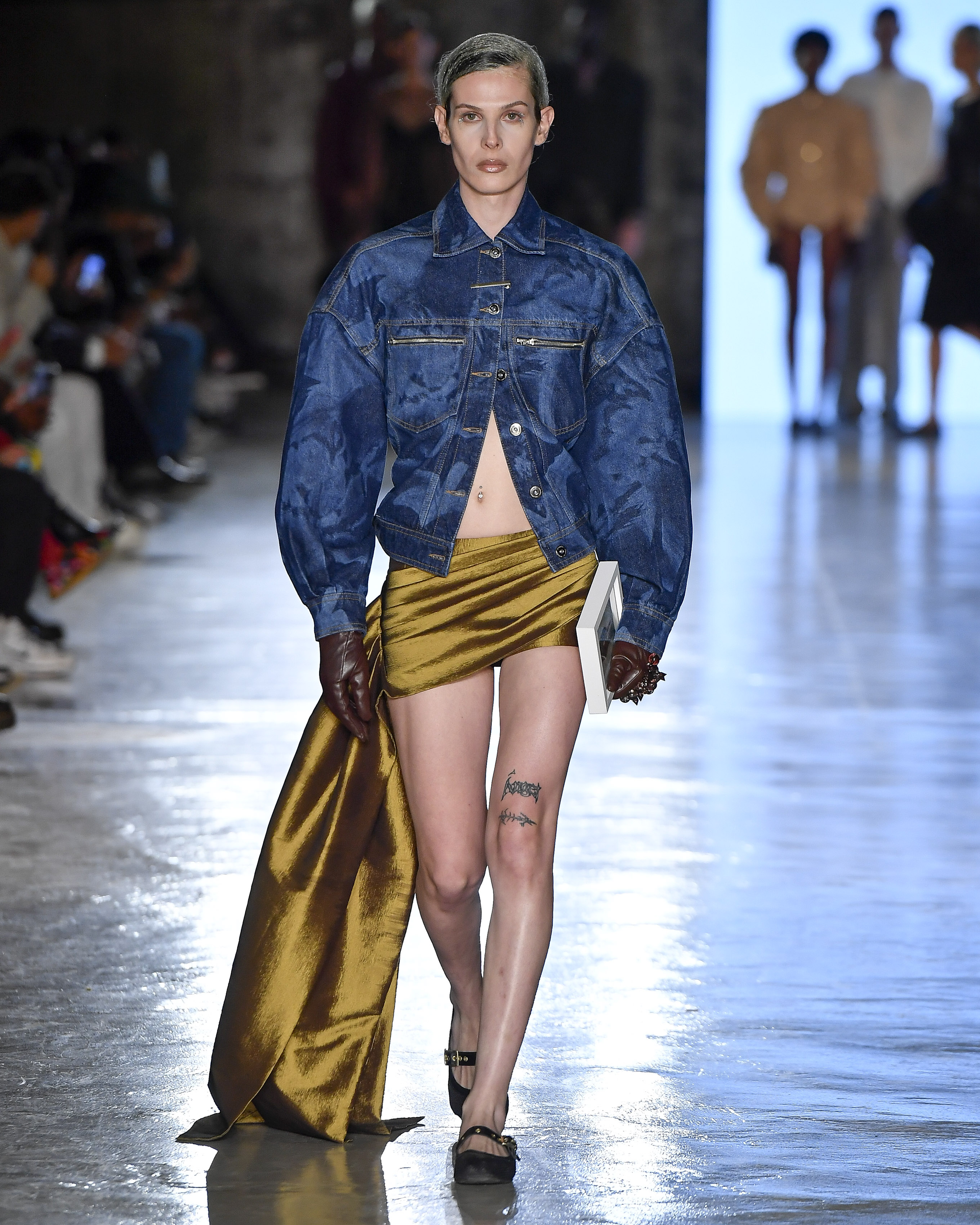
“Adiaû” marks the label's change of signature and explores science fiction narratives with a constructivist and minimalist eye. The collection starts from a premise of imposed climatic discomfort, resulting in winter pieces for a hot planet. With geometric tailoring, artisanal faux leather and the use of technologies such as 3D and AI in the creative process, the show questions the relationship between fashion, technology and survival, without giving up rigour of construction and sustainable production.
Plataforma Açu
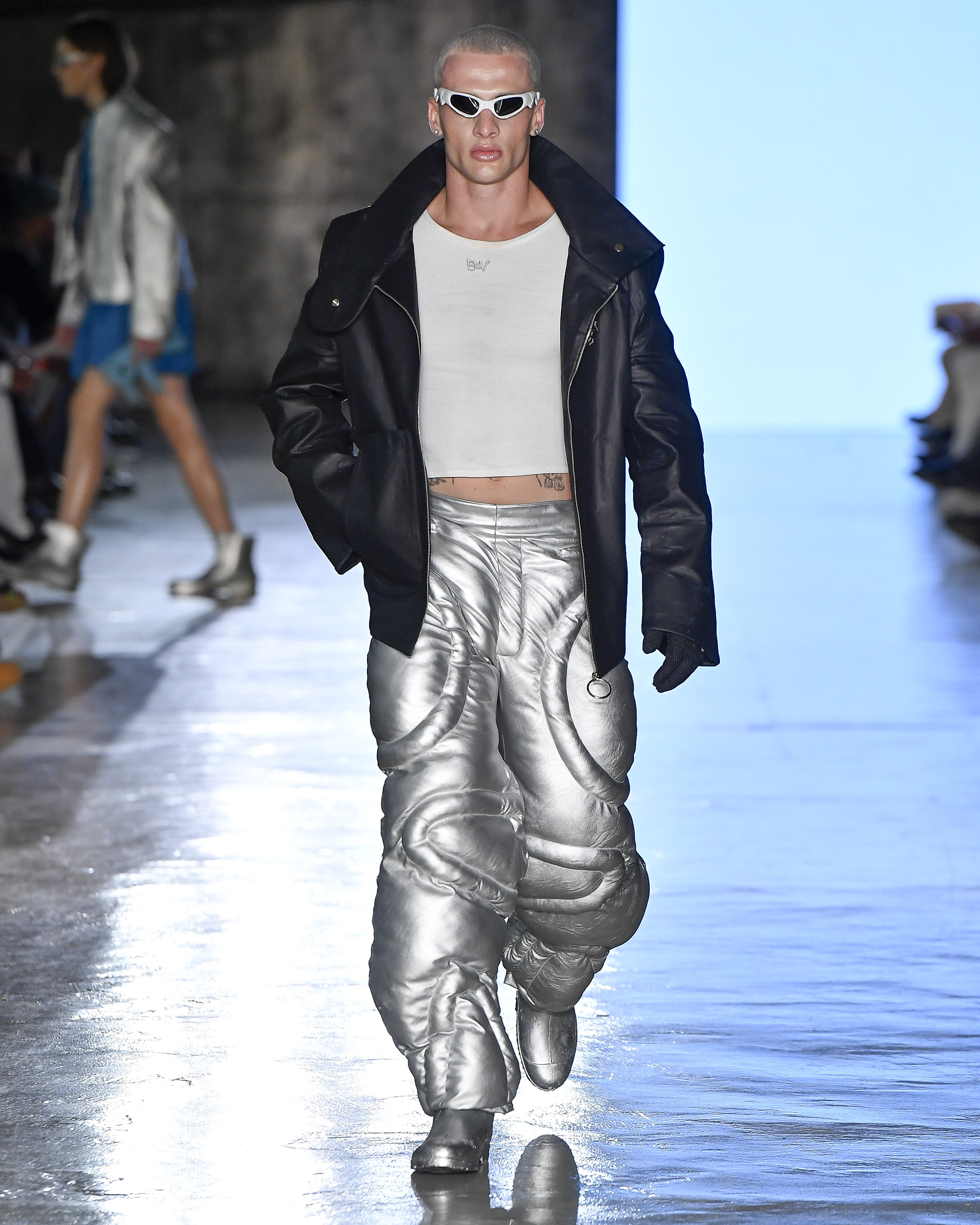
With “VO RO NÓI”, the Açu platform dives into a biofuturist imagination drawn from mycelium and from the networks that sustain life. Between organic knits, textile sculpture and 3D printing, the collection builds shapeless, oneiric forms, rejecting the linearity of conventional fashion. It is a fusion of queer aesthetics, technology and nature, proposing new imaginaries and embracing imperfection as a visual language.
Vittor Sinistra
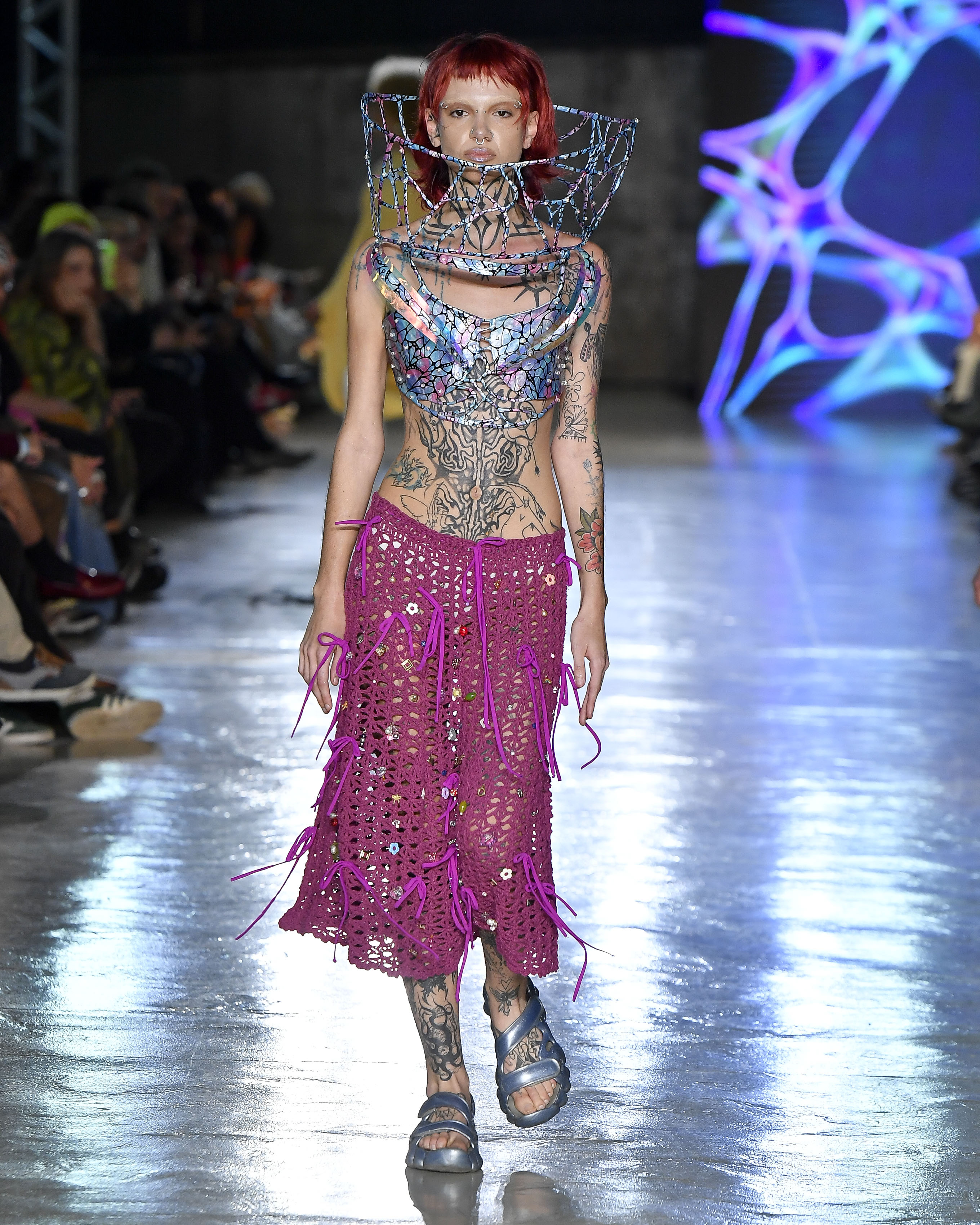
“Clímax” turns the runway into a party of experiment. Vittor Sinistra creates looks for an imaginary cast of guests, with varied techniques, the reuse of waste and a strong manual presence. The collection widens the designer's playful and performative character, reaffirming fashion as a space of freedom, provocation and identity building.
Shitsurei
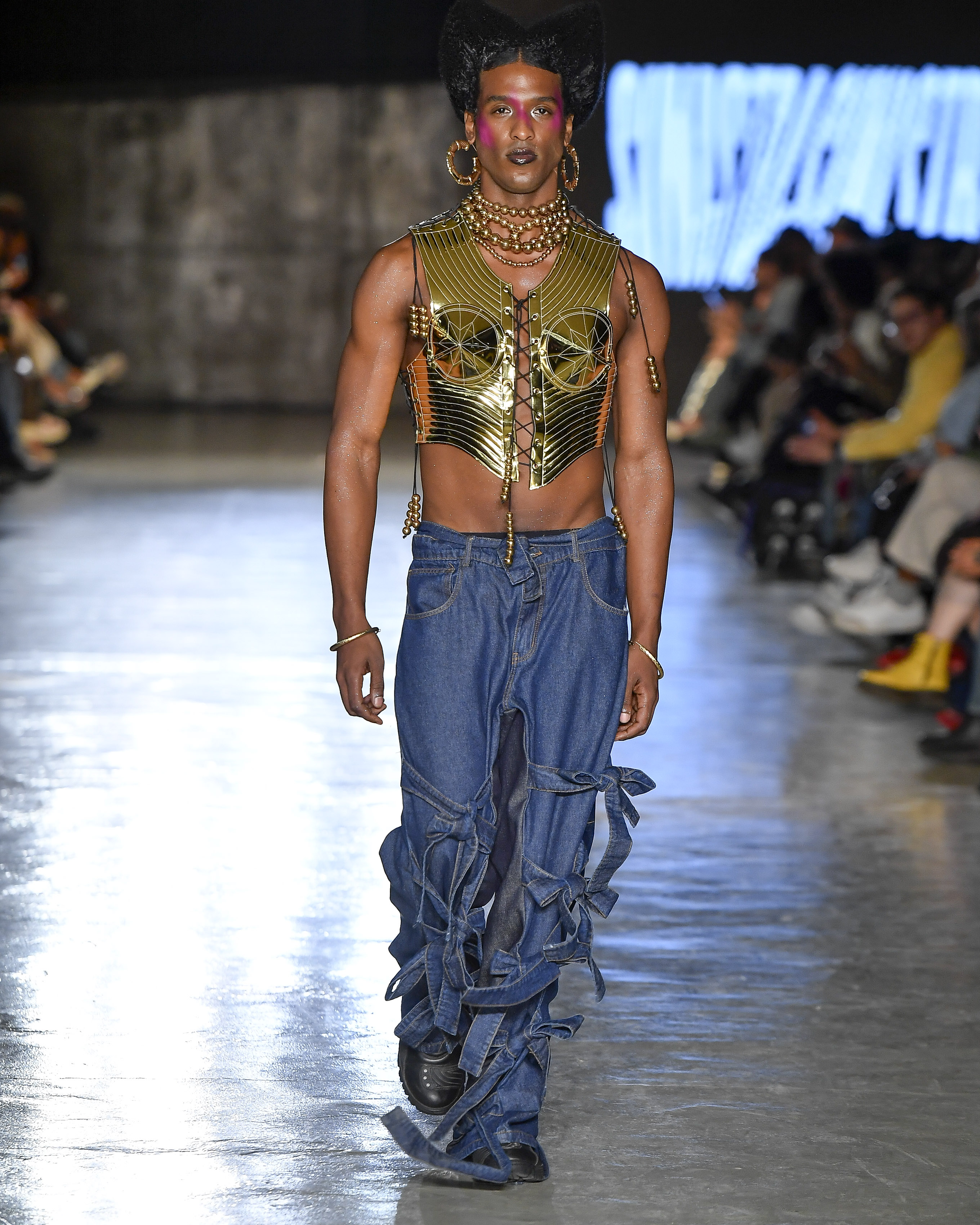
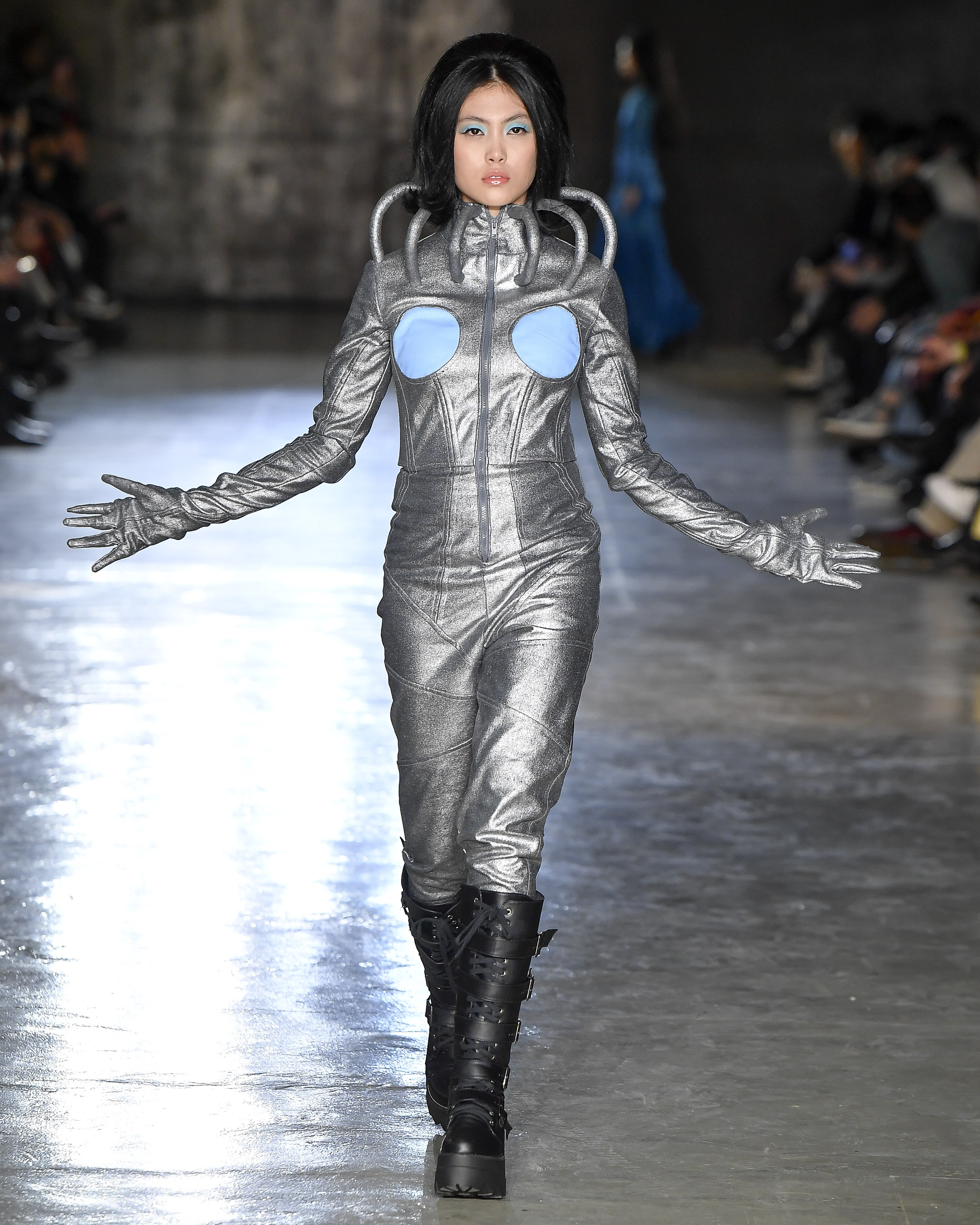
Marcella Maiumi presents “Objeto Desconhecido”, a critical comment on the fetishisation and non-belonging imposed on Asian women's bodies. Drawing on sci-fi and on the space age aesthetic of the 1960s, the collection combines elements of her Japanese ancestry with references to the space race and to feminism, creating a dialogue between irony, discomfort and affirmation. Hand painting and artisanal textile work reinforce the label's authorial force.
Jacobina
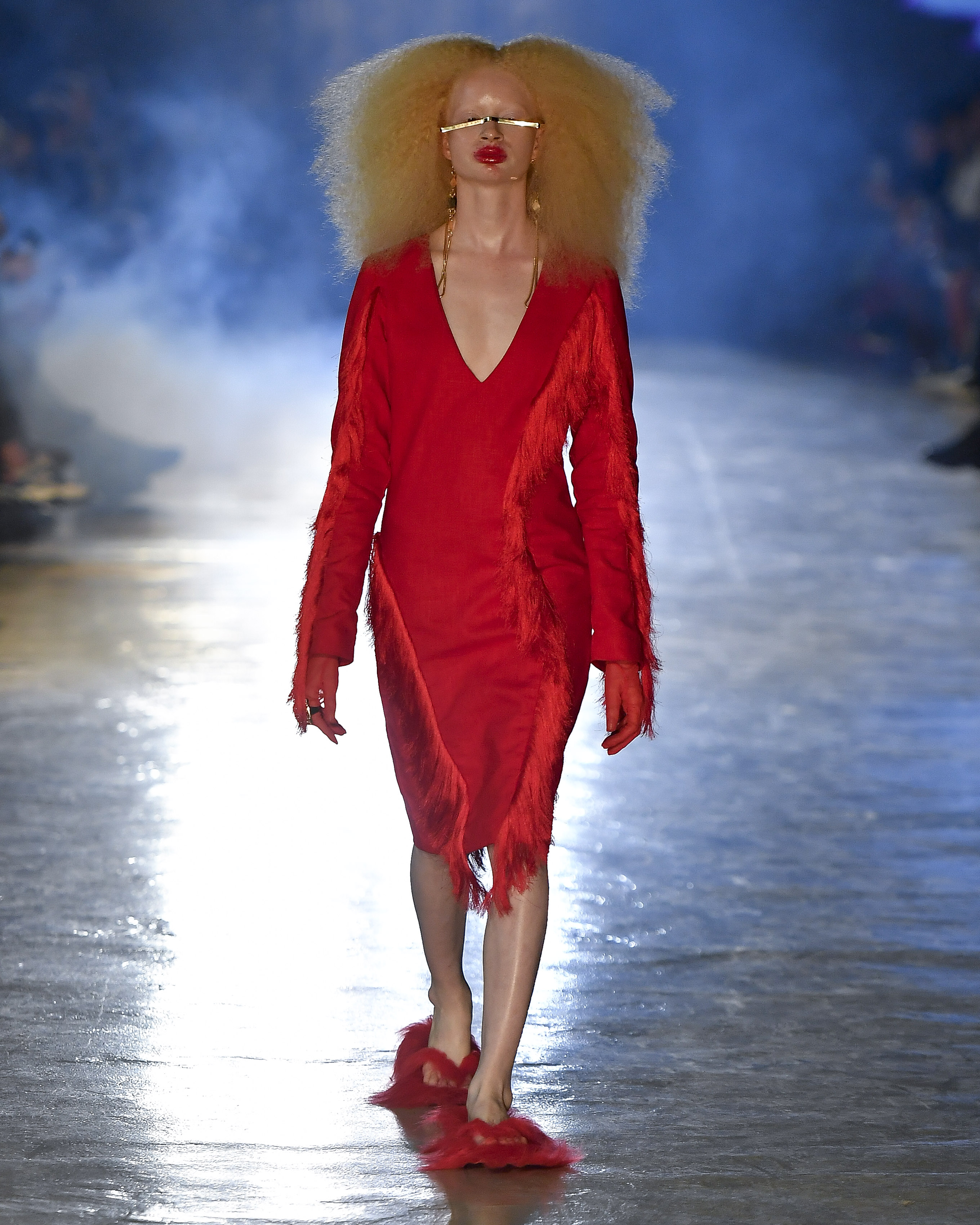
In “Névoa”, Raphael Aquino builds a tribute to Black women whose memory was silenced by official history. Layered fabrics, a dark palette and symbols such as lilies evoke delicacy and resistance, turning erasure into presence. The collaboration with the artist Lucélia Maciel adds visual layers of memory and affection, producing a show that whispers and resists at the same time.
 Technology by Complete Studio
Complete TV · Reels
A SP-Arte @sp_arte chega à sua 22ª edição entre os dias 8 e 12 de abril, no Pavilhão da Bienal, em São Paulo. O evento reúne 180 expositores
See on InstagramFrom Complete




More from Caíque Nucci
View profile
Latest from Complete
 FashionFORCA Studio at SPFW N61: Forca X, Bridgestone tire and punk leather
 DesignTomie Ohtake House‑Studio presents Zanine Caldas
 The CoverIn the beginning, we couldn't even use the word handicraft.
 CultureThievery Corporation, 30 years: the Washington duo that originated in bossa nova
 InnovationLight has become a building material
 The CoverBrazil still gives little recognition to genuinely Brazilian authorial fashion.
 BeautyBORNTOSTANDOUT arrives in Brazil