

Desirée Solenberger investigates new media between body and 3D
The artist explores the relationship between movement, typography, and digital environments in the context of contemporary design.
Words by
Words by Caíque Nucci
Editor-in-Chief
Listen to this story
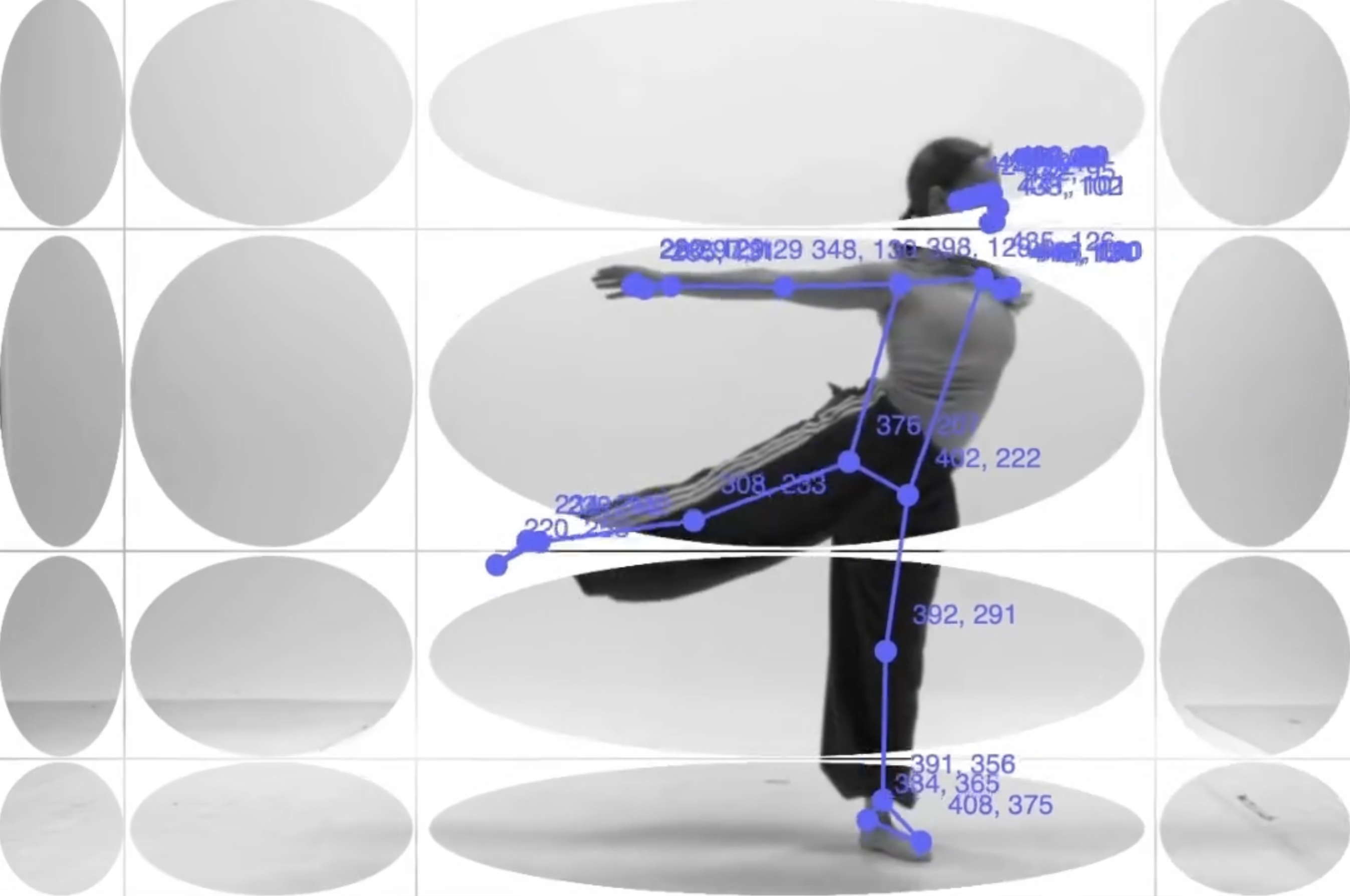
The practice of Desirée Solenberger is organized around a direct question: how can movement be translated into visual language. Her works operate between typography, image, and interaction, with the body as a constant reference. Dance appears as a structure, guiding rhythm and repetition within graphic systems.
This starting point unfolds into a process that avoids rigid separations between the physical and the digital. Instead of proceeding directly from the screen, the artist introduces gestures, distortions, and material interferences. Error is not corrected, it is incorporated as part of the visual system.
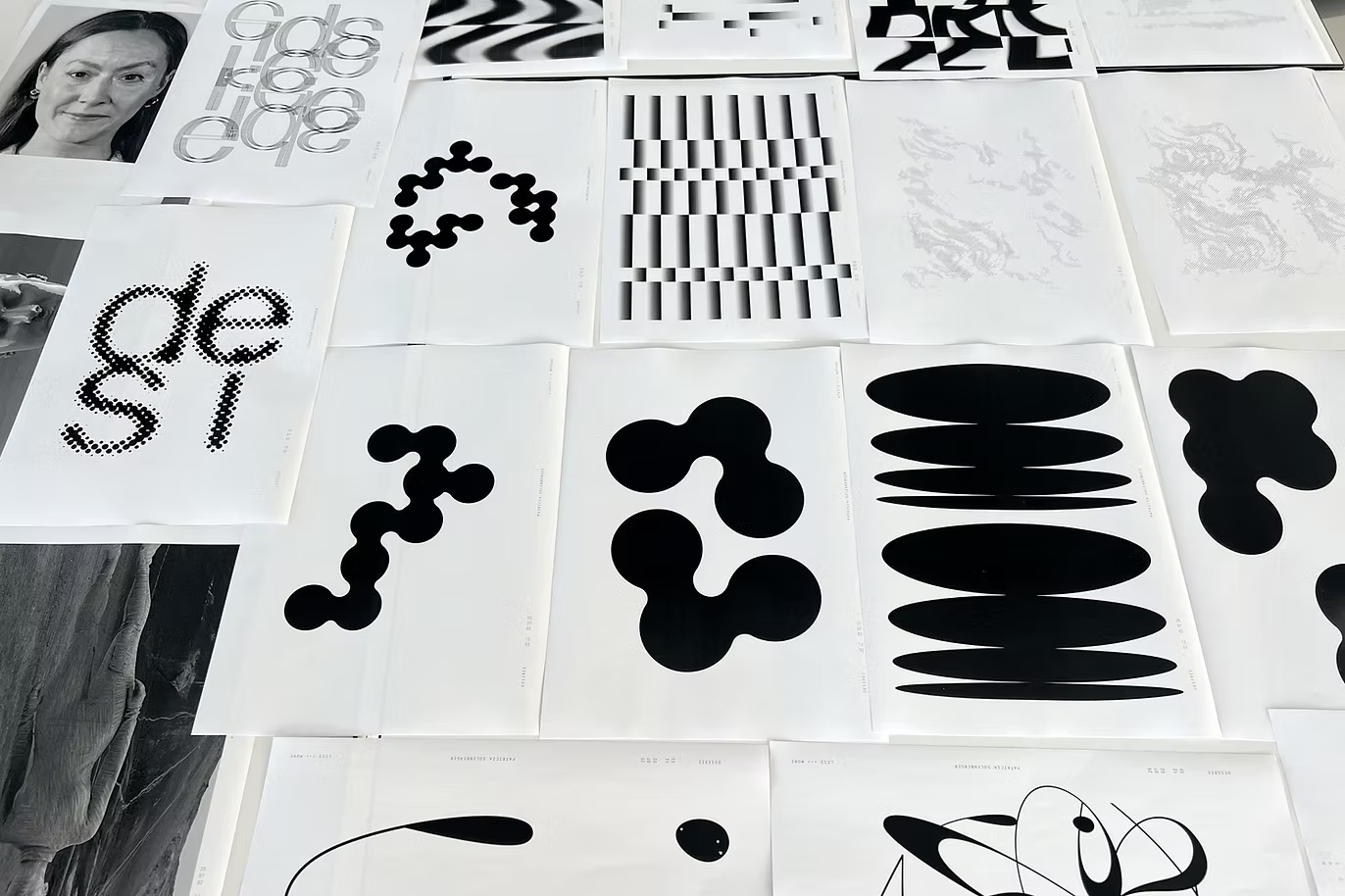
In recent works, three-dimensional forms observed in fashion are displaced into the typographic field. There is physical manipulation, followed by digital translation. The result does not seek precision. The image maintains tension, with noise, deformations, and visible instability.
This type of approach is part of a broader field of new media, where technology ceases to operate solely as a tool. The interest shifts to the language that emerges from this encounter. Interface, image, and movement begin to operate on the same plane.
In Desirée's work, there is no attempt at closure. The projects remain open, close to a state of testing. More than resolving, the artist activates systems, allowing them to shift between body, image, and code.
Complete TV · Reels
A geografia sonora do Atlântico virou imagem e espaço.
See on InstagramFrom Complete



More from Caíque Nucci
View profile
Latest from Complete
 FashionGuccicore: plurality as a language of style
 BeautyISDIN Fusion Water Magic: sun protection with lightness and technology
 The CoverIn the beginning, we couldn't even use the word handicraft.
 DesignTomie Ohtake House‑Studio presents Zanine Caldas
 CultureThievery Corporation, 30 years: the Washington duo that originated in bossa nova
 The CoverBrazil still gives little recognition to genuinely Brazilian authorial fashion.
 InnovationLight has become a building material