

MAC USP promotes debates on José Antônio da Silva
The MAC USP hosts conversation tables within the José Antônio da Silva: Pintar o Brasil exhibition, bringing together artists, curators, and cultural managers to discuss the painter's trajectory and reception until March 2026.
Words by
Words by Caíque Nucci
Editor-in-Chief
Listen to this story
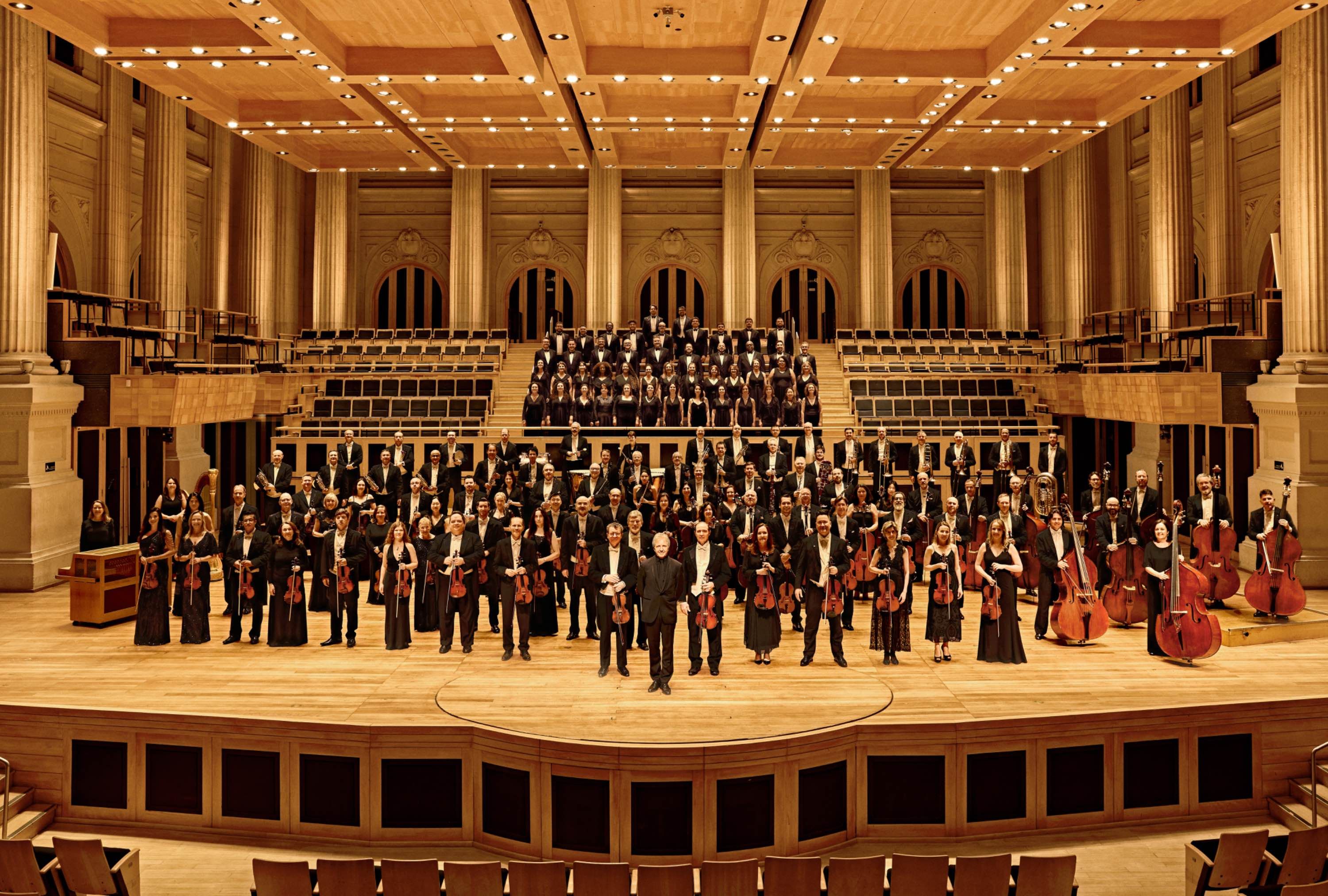
The Museu de Arte Contemporânea da Universidade de São Paulo (MAC USP) will host, between February and March 2026, a series of discussion panels within the exhibition José Antônio da Silva: Pintar o Brasil, on display until March 15. The meetings will take place at 11am and bring together artists, curators, collectors, and cultural managers to discuss the production and critical reception of the São Paulo-based painter.
The program begins on February 21, with the participation of Lais Myrrha, Paulo Pasta, Theo Monteiro, and Alexandre Martins Fontes, moderated by Fernanda Pitta, curator of the exhibition. On March 7, the debate will focus on the collecting and circulation of Silva's work, with Sébastien Gokalp, director of the Museu de Grenoble, gallerist Vilma Eid, and collector Orandi Momesso, moderated by Emilio Kalil, director of the Fundação Iberê Camargo. On the 14th, the film Este é o Silva will be screened, followed by a conversation with filmmaker Carlos Augusto Calil, who was also responsible for curating an exhibition dedicated to the artist in 1983.
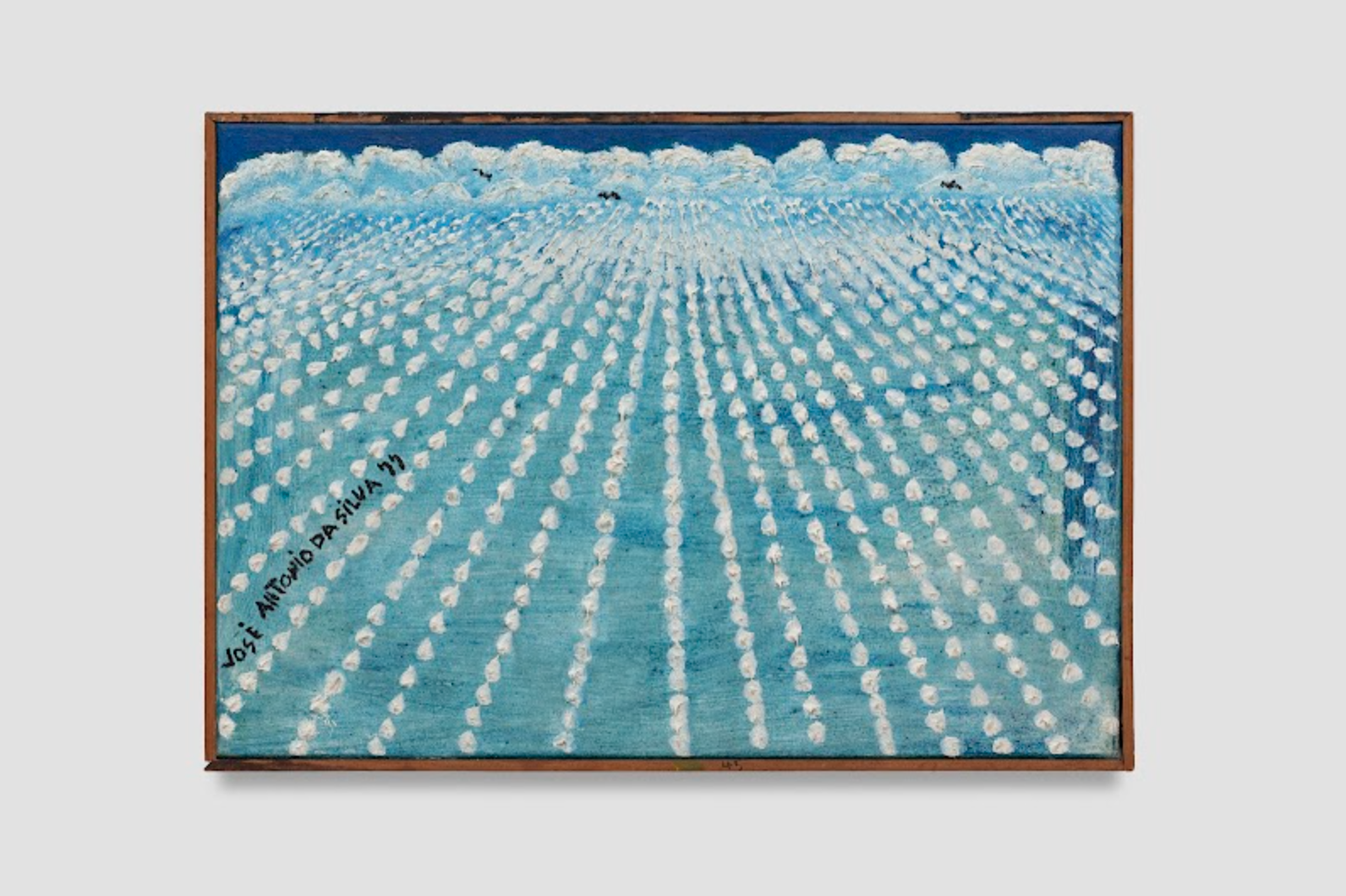
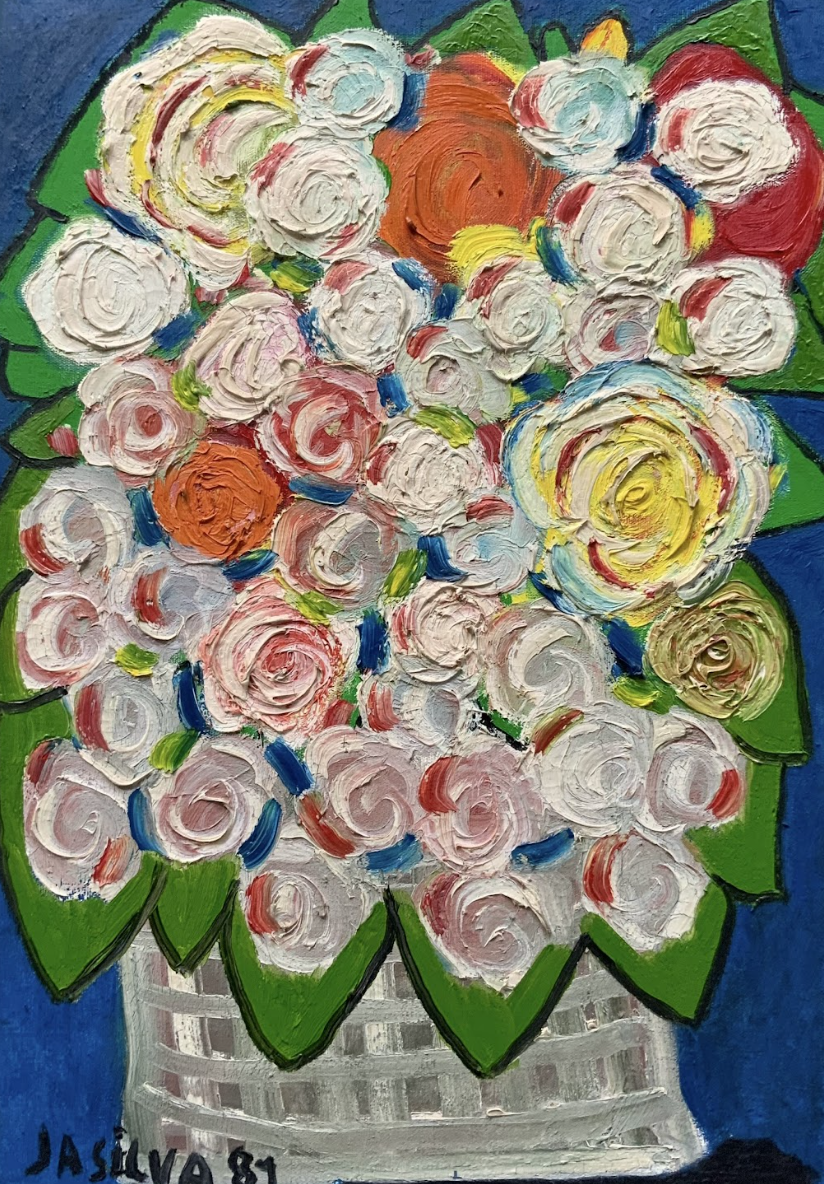
The exhibition features 142 works, with 23 additions from the MAC USP collection, which holds the largest set of the artist's works in the country. The selection prioritizes paintings and drawings organized by recurring themes in Silva's trajectory, such as rural life, religiosity, landscapes, still lifes, and self-portraits. The São Paulo version also includes a nucleus dedicated to works on paper, with a highlight on the book Romance da minha vida, composed of 76 drawings exhibited in their entirety.
Born in Sales de Oliveira, in the interior of São Paulo, José Antônio da Silva began his artistic production in 1940. Self-taught, he built a body of work associated with the rural universe and participated in several editions of the Bienal de São Paulo, in addition to representing Brazil at the Bienal de Veneza in 1952 and 1966. His institutional recognition included exhibitions at the Carnegie Institute in Pittsburgh, and shows in the United States dedicated to Brazilian popular art. Silva's trajectory evidences the international circulation of artistic production from peripheral contexts and its insertion into formal circuits of legitimation.
The realization of the exhibition counts on the sponsorship of Petrobras and Banco do Brasil, with support from the Ministry of Culture through the Federal Law of Incentive to Culture. By promoting public debates around the work, the MAC USP broadens the discussion on memory, collection, and cultural policies, placing in perspective the role of institutions in the preservation and updating of narratives of Brazilian art.
Complete TV · Reels
Born in northern New York, Dianna Lopez @_diannalopez began making music almost by accident: she was helping a classmate at university.
See on InstagramFrom Complete



More from Caíque Nucci
View profile
Latest from Complete
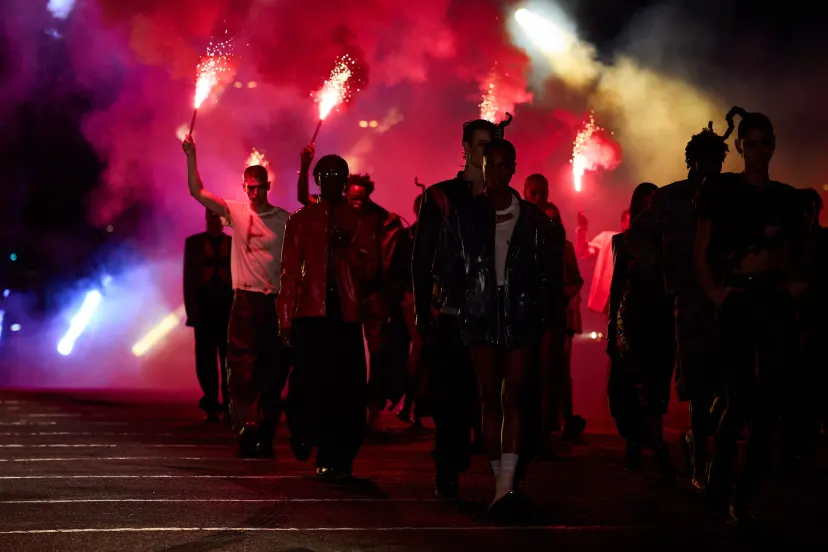 FashionFORCA Studio at SPFW N61: Forca X, Bridgestone tire and punk leather
 DesignTomie Ohtake House‑Studio presents Zanine Caldas
 The CoverIn the beginning, we couldn't even use the word handicraft.
 CultureThievery Corporation, 30 years: the Washington duo that originated in bossa nova
 InnovationLight has become a building material
 The CoverBrazil still gives little recognition to genuinely Brazilian authorial fashion.
 BeautyBORNTOSTANDOUT arrives in Brazil