

Nature as a language: art and design that bring the organic into the home
From painting to furniture, Brazilian creators presented at SP-Arte 2026 use water, roots, light, and wood as aesthetic raw material for the contemporary domestic space.
Words by

Words by Caíque Nucci
Editor-in-Chief
Listen to this story
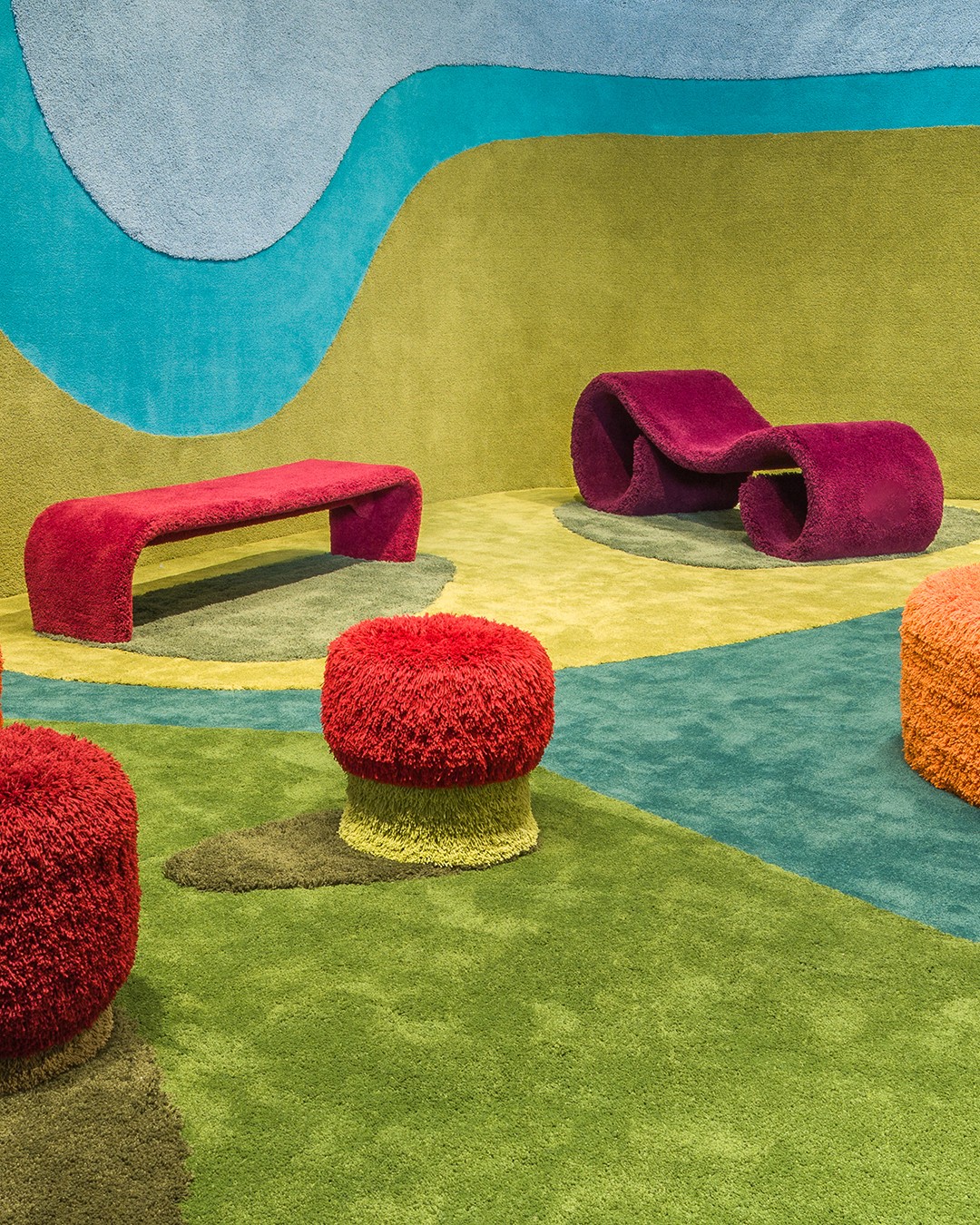
A shift is underway in Brazilian design and art that SP-Arte 2026 has made more visible. This is not a trend with a defined name and palette, but a silent convergence: artists and designers from different generations and languages have arrived, via distinct paths, at the same decision to work with the organic as a formal principle. Water, roots, fruits, wood, and filtered light have ceased to be merely decorative references and now serve to structure the objects themselves. What enters the home now carries the logic of nature in both form and process.
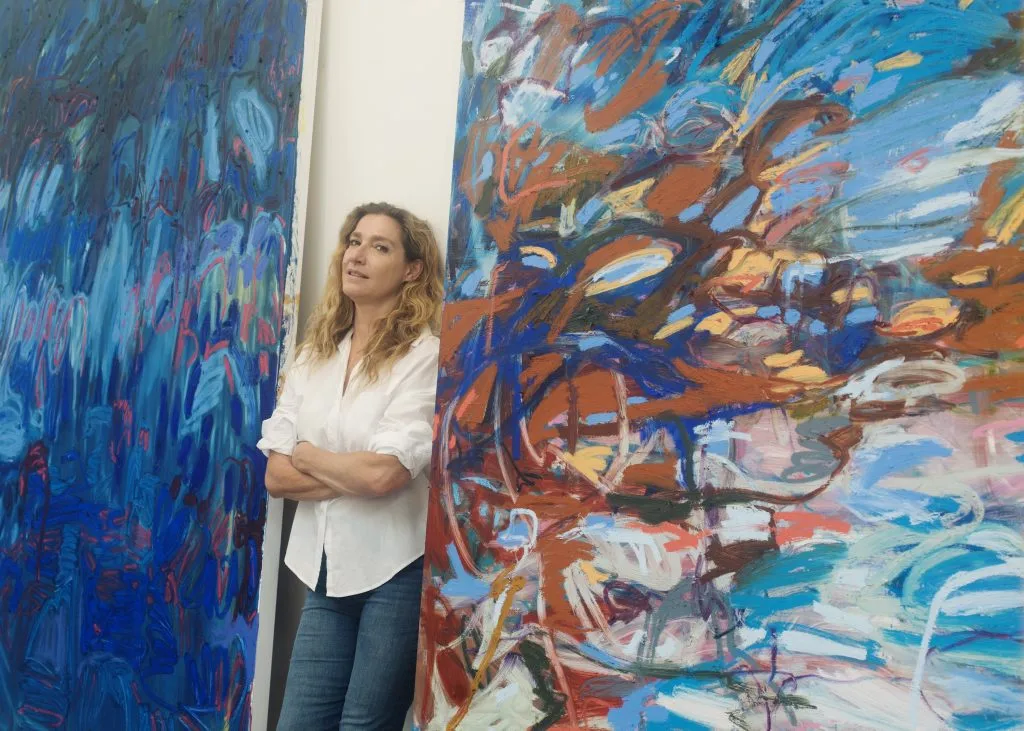
Janaina Tschäpe constructs interior landscapes from dense blues, fluidly dissolved in ink. Her large-format paintings have been exhibited at the MoMA, the Musée de l'Orangerie, and Art Basel, and her recent works, presented at Max Hetzler in Berlin and Sean Kelly in New York, operate on the border between memory and emotional state. Water, in her paintings, is not a motif: it is atmosphere.
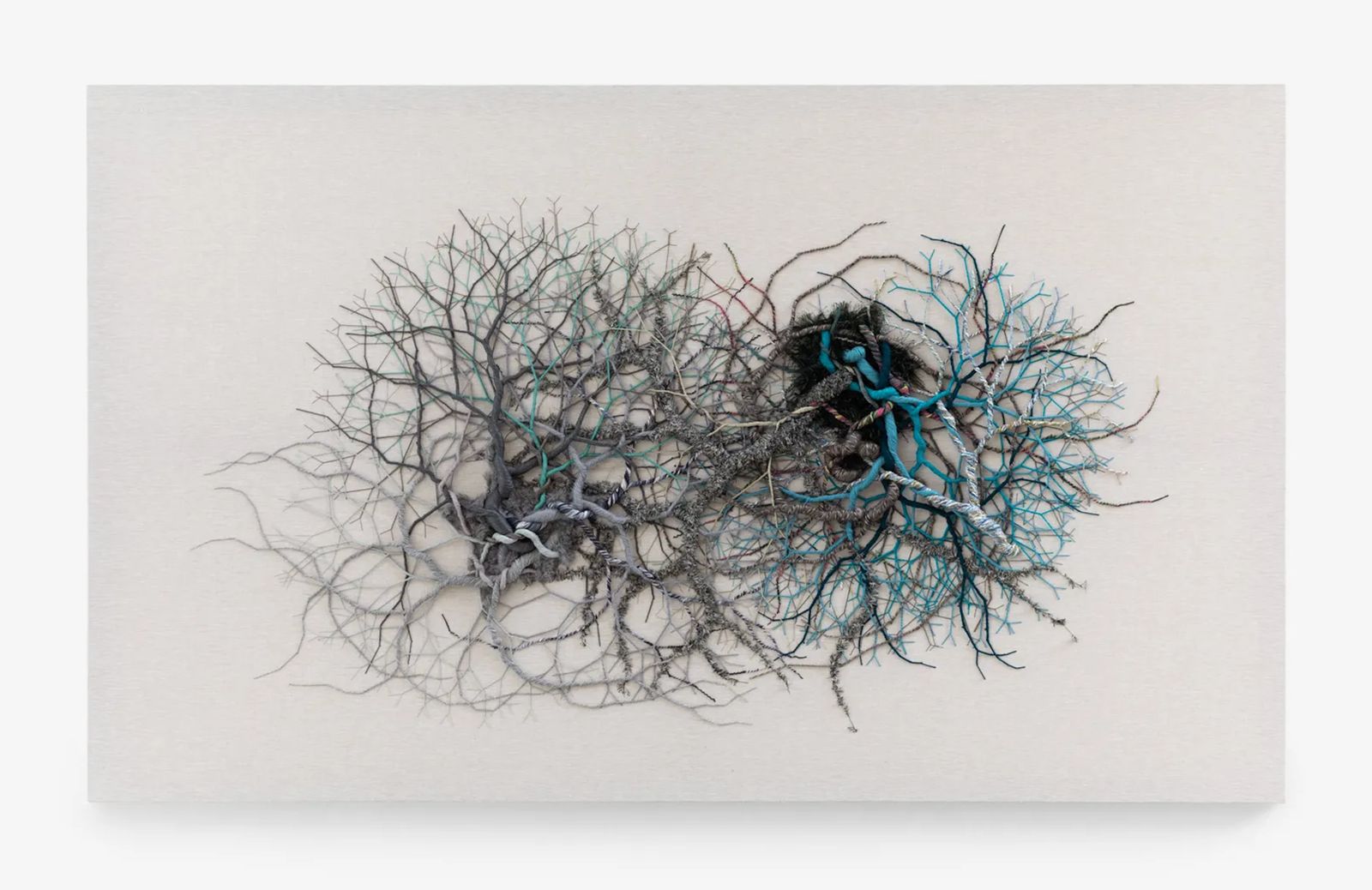
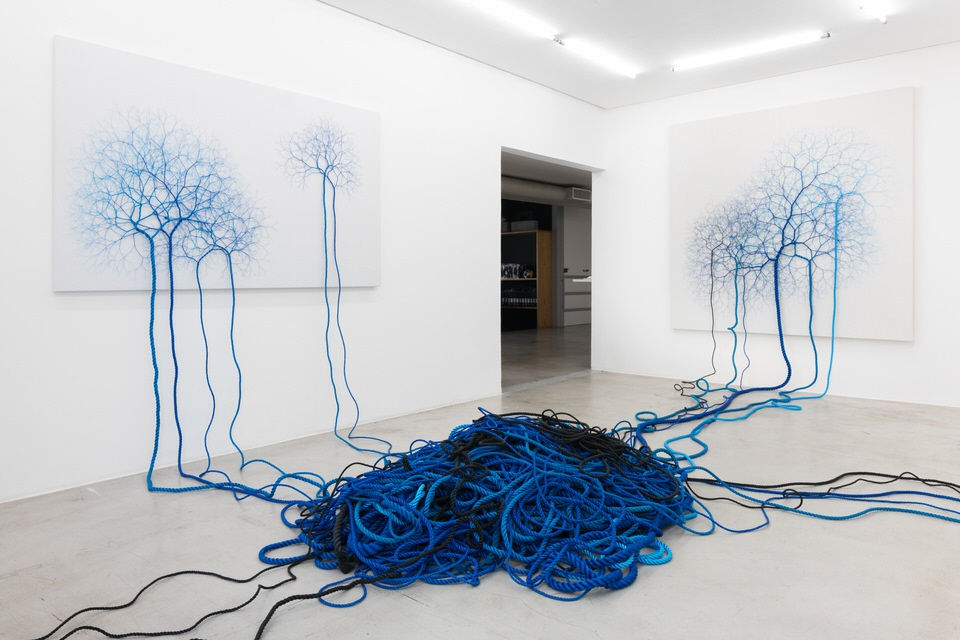
In the same territory, but with a different vocabulary, Janaina Mello Landini transforms cords and threads into structures that replicate roots, rivers, and branches. The Ciclotramas stem from a genuinely investigative interest, treating nature as a system, not as an image.
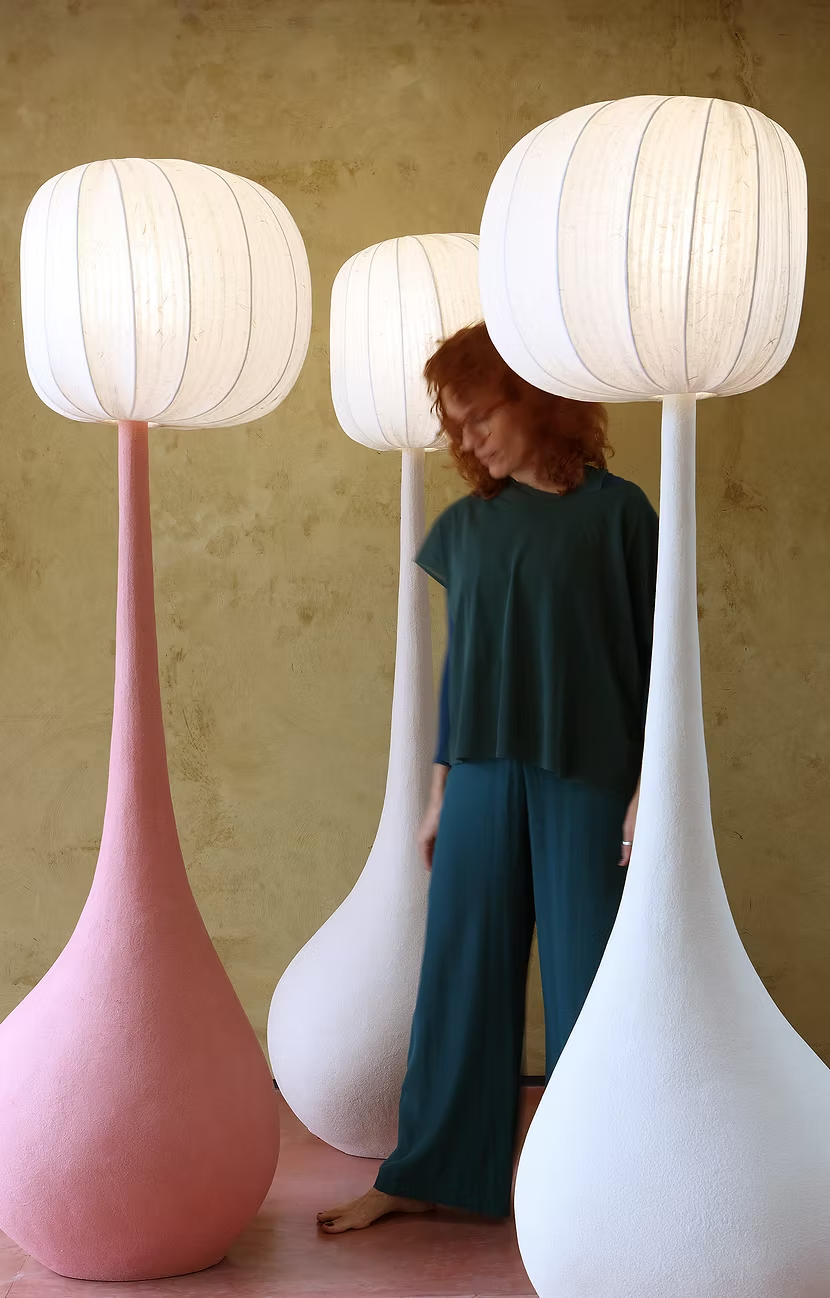
What constitutes painting and installation in these two artists becomes an object in the hands of Adriana Yazbek and the Fahrer studio. Yazbek, an architect by training, produces handmade luminaires whose forms come directly from Brazilian flora: the pitanga, flowers, and fruits. Each piece navigates between function and sculpture, and the manual process is a constitutive part of the result, not just a finish.
Fahrer, led by Sergio Fahrer, Jack Fahrer, and Heloisa Samaia, with over three decades of trajectory, has its technical signature in curved multilaminated wood. It is a way of bending the material without breaking it, extracting from the fibers a form that plain wood simply would not allow. Pieces from the brand are part of the collections at the MoMA and the Pavillon Le Corbusier.
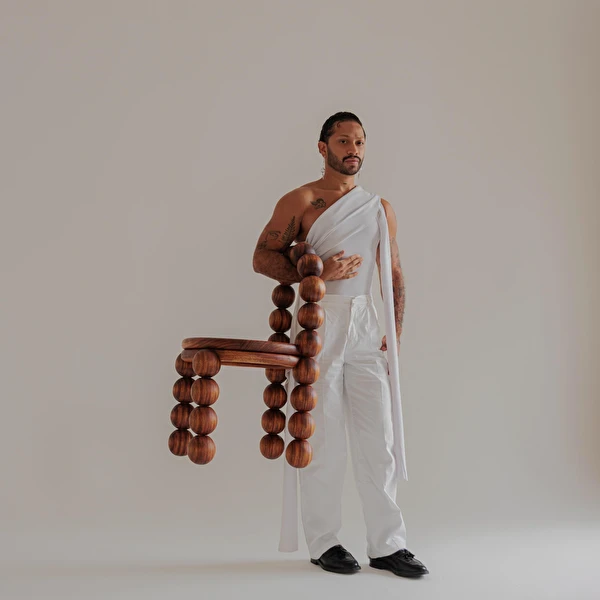
The chair Pérolas, by designer Nicholas Oher, arrived at the fair as part of the exhibition "A Quarta Dimensão", organized by the platform Boobam with thirteen Brazilian studios. The piece summarizes well what this generation proposes: a functional object that does not abandon formal investigation, finding in nature a constructive principle, not just a visual reference. Gathered in the same fair context, these works suggest something beyond thematic affinity. There is a shared refusal of industry as the sole parameter and a bet on the slow time of matter.
Complete TV · Reels
@egon_lab Lazarus.
See on InstagramFrom Complete



More from Caíque Nucci
View profile
Latest from Complete
 FashionFORCA Studio at SPFW N61: Forca X, Bridgestone tire and punk leather
 DesignTomie Ohtake House‑Studio presents Zanine Caldas
 The CoverIn the beginning, we couldn't even use the word handicraft.
 CultureThievery Corporation, 30 years: the Washington duo that originated in bossa nova
 InnovationLight has become a building material
 The CoverBrazil still gives little recognition to genuinely Brazilian authorial fashion.
 BeautyBORNTOSTANDOUT arrives in Brazil