
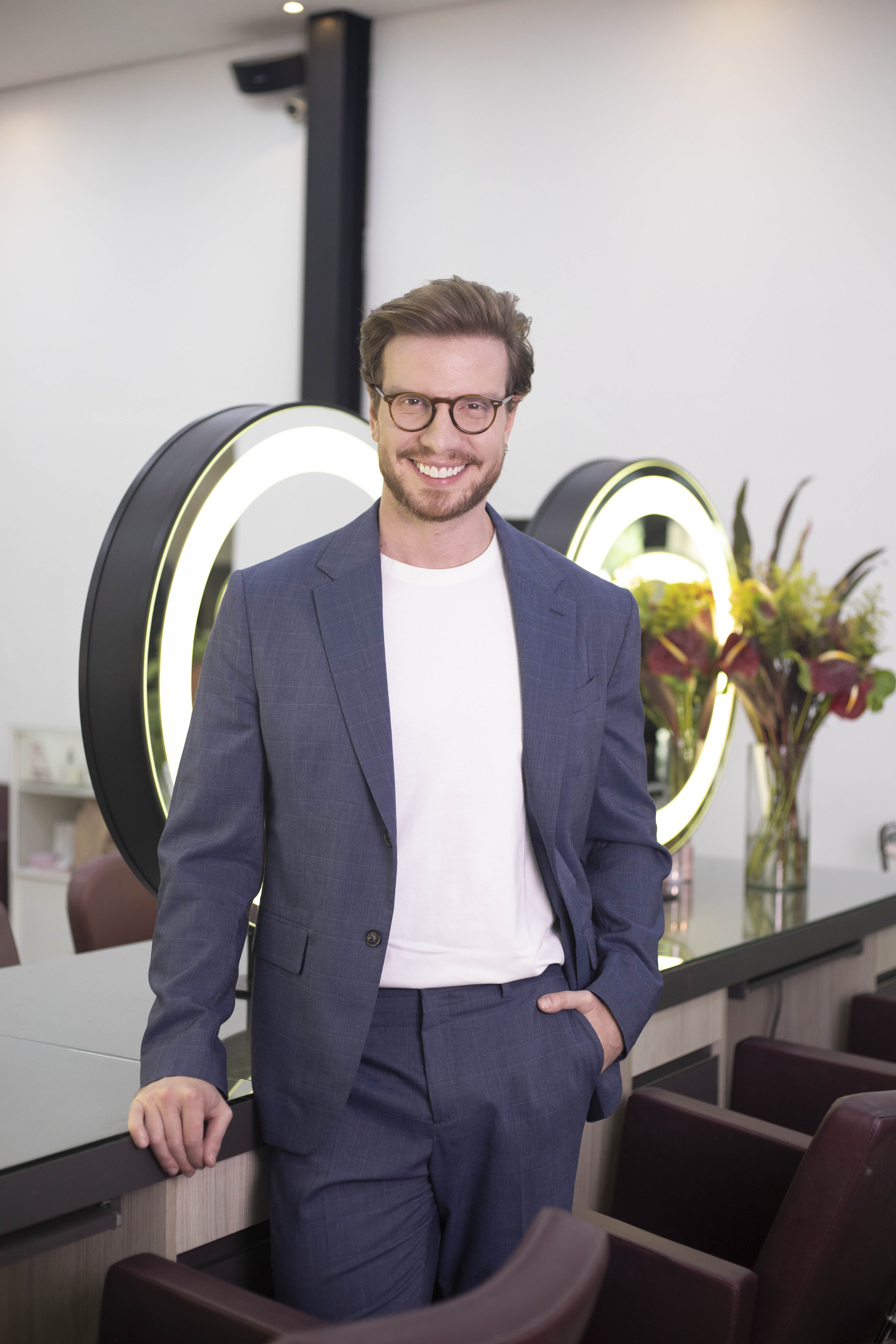
Beauty salons adopt luxury-hotel practices to raise the average ticket
With sales of around 27 billion dollars, Brazil ranks fourth among the world's largest beauty and personal care markets, according to a survey by Euromonitor International.
Words by
Words by Caíque Nucci
Editor-in-Chief
With sales of around 27 billion dollars, Brazil ranks fourth among the world's largest beauty and personal care markets, according to Euromonitor International. And experience now weighs as much as the final result: a PwC study shows 73% of consumers consider experience relevant to the purchase decision, and 43% would pay more for convenience.
Faced with this landscape, salons have started looking for reference outside their own segment, importing practices from luxury hospitality to attract, retain and raise the average ticket.
For Saulo Abrahão, founder of salon DUO+ and mentor to salon owners, today's consumer compares service across different sectors, not only within the category itself. "The client doesn't evaluate only the hair or the nails. She compares how she was treated in restaurants, hotels, clinics and premium stores. The salon that understands this leaves the price fight behind and starts competing on value," he says.
In practice, the concept turns trivial steps into strategic moments: a prepared reception, an organized environment, simple scheduling, punctuality, consultative service and a careful goodbye.
Complete TV · Reels
Chaos and order, by composer tOmO
See on InstagramFrom Complete



More from Caíque Nucci
View profile
Latest from Complete
 FashionFORCA Studio at SPFW N61: Forca X, Bridgestone tire and punk leather
 DesignTomie Ohtake House‑Studio presents Zanine Caldas
 The CoverIn the beginning, we couldn't even use the word handicraft.
 CultureThievery Corporation, 30 years: the Washington duo that originated in bossa nova
 InnovationLight has become a building material
 The CoverBrazil still gives little recognition to genuinely Brazilian authorial fashion.
 BeautyBORNTOSTANDOUT arrives in Brazil