

Twin Peaks consolidated the authorial language on TV
Created by David Lynch and Mark Frost, the series redefined television narrative by combining criminal investigation, surrealism, and American culture.
Words by
Words by Caíque Nucci
Editor-in-Chief
Listen to this story
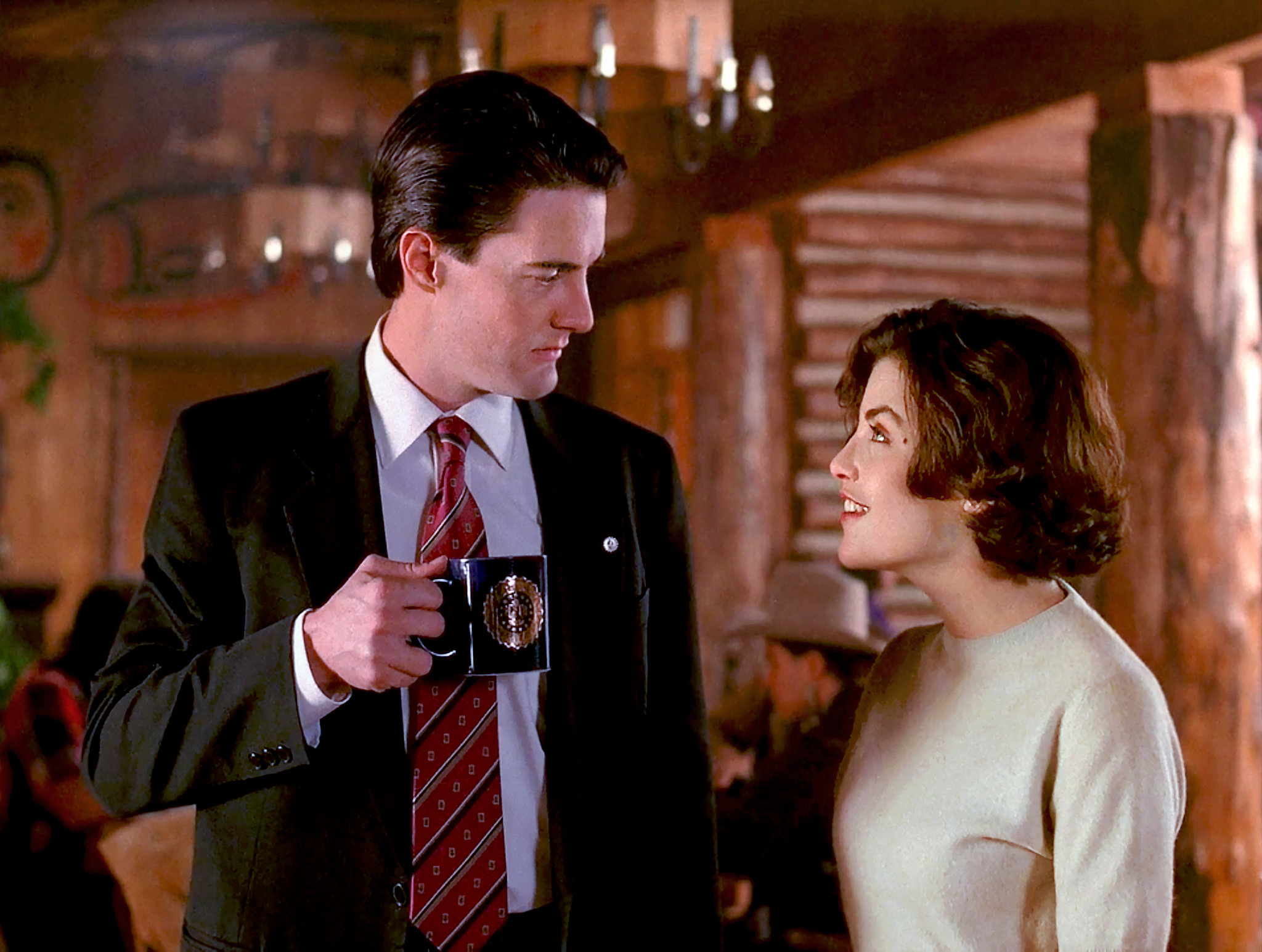
Launched in 1990 by David Lynch and Mark Frost, Twin Peaks follows the investigation into the death of Laura Palmer, a young woman found lifeless in a small town in the northwest of the United States. The case is led by FBI agent Dale Cooper, played by Kyle MacLachlan, whose methodology combines intuition, dream records, and observation of unusual patterns. The series was originally broadcast by ABC and returned in 2017 with Twin Peaks: The Return, produced by Showtime.
The project emerged after Lynch's consolidation in cinema with titles such as Blue Velvet. Upon transitioning to television, the director maintained creative control over direction, sound, and scene construction. The partnership with Frost organized the dramatic structure, while Lynch defined the visual language and rhythm. The soundtrack by Angelo Badalamenti also played a central role, creating a recognizable sonic identity from the first minutes.
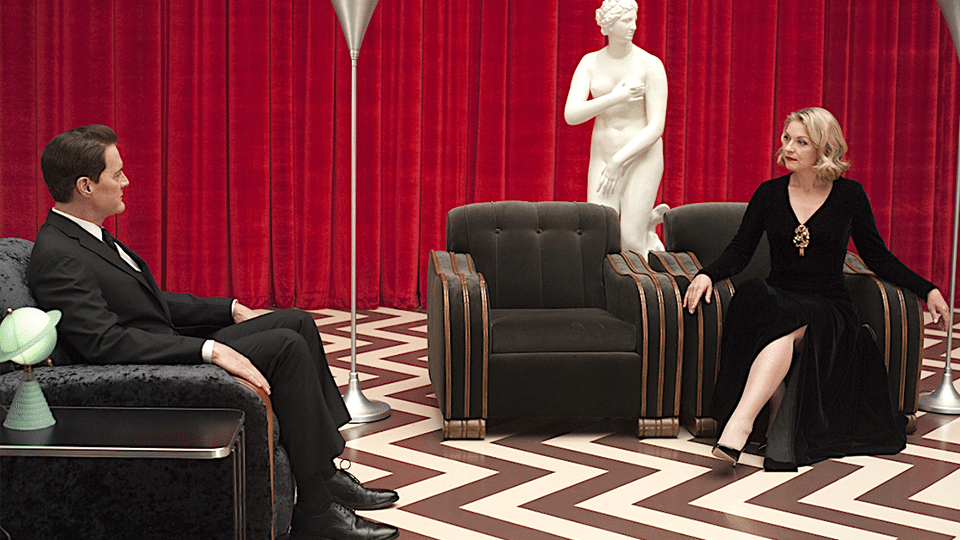
During its first season, the series reached an audience of over 30 million viewers in the United States. The pilot episode was one of the most watched of that year and received nominations for the Emmy Awards and the Golden Globe Awards. At the same time, the narrative introduced uncommon elements for open television, such as long scenes without direct resolution, dream sequences, and characters guided by unexplained forces.
The construction of Laura Palmer, portrayed by Sheryl Lee, displaced the traditional role of the victim in police stories. Instead of closing the mystery, the character expanded the plot by revealing layers of domestic violence, abuse, and social contradictions present in the city. This movement brought the series closer to the cultural debates of the 1990s, while inserting the theme into a fictional structure that did not follow a linear logic.
In 2017, Twin Peaks: The Return resumed the narrative without adopting the classic continuation format. Lynch directed all the episodes and expanded the use of sound, silence, and image as main elements. The series was released in a context of consolidation of streaming and reinforced a production model in which the viewer does not receive direct answers, but builds interpretation over time.
Complete TV · Reels
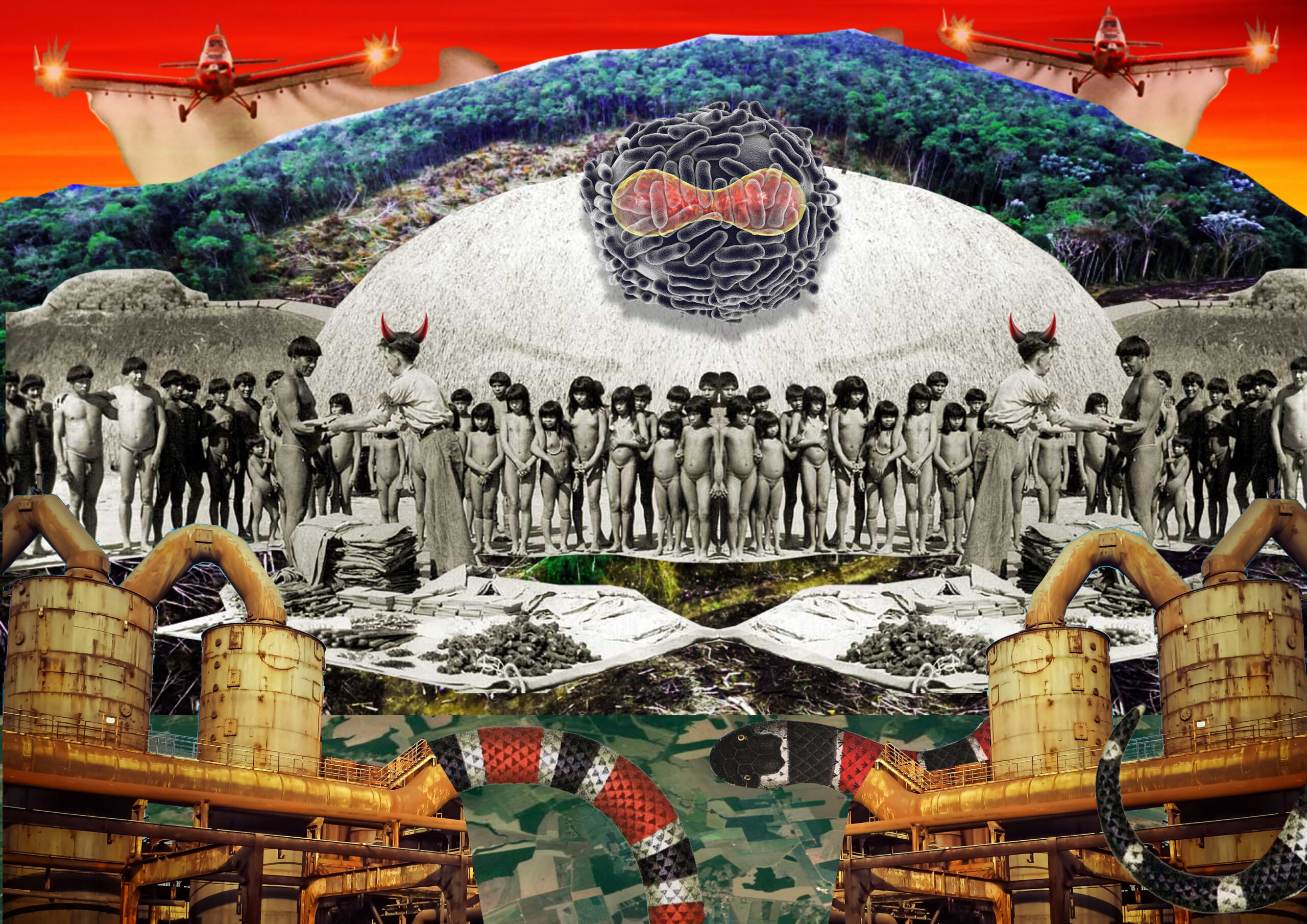
IMMENSIA, by Kati Katona
See on InstagramFrom Complete




More from Caíque Nucci
View profile
Latest from Complete
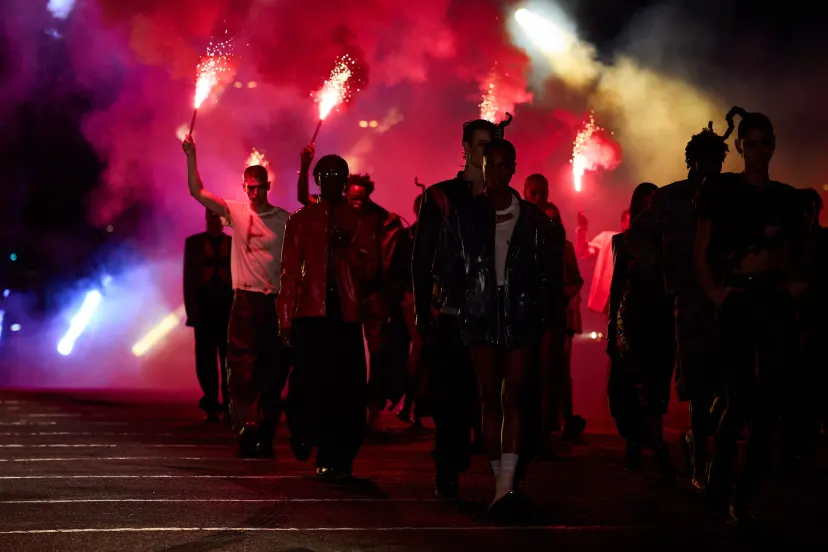 FashionFORCA Studio at SPFW N61: Forca X, Bridgestone tire and punk leather
 DesignTomie Ohtake House‑Studio presents Zanine Caldas
 The CoverIn the beginning, we couldn't even use the word handicraft.
 CultureThievery Corporation, 30 years: the Washington duo that originated in bossa nova
 InnovationLight has become a building material
 The CoverBrazil still gives little recognition to genuinely Brazilian authorial fashion.
 BeautyBORNTOSTANDOUT arrives in Brazil