

Meta intelligence: the plans for Meta's new technology architecture
Meta's new front is devoted to developing artificial intelligence systems capable of improving themselves, models that learn with minimal human interference and that, according to Zuckerberg, may become “fundamentally smarter than people”.
Words by

Words by Gilles Pedroza Leite
Design and Innovation
Listen to this story
During the release of second-quarter results for 2025, Mark Zuckerberg announced the creation of Meta Superintelligence Labs, a research lab whose ambitions reach far beyond social networks. Meta's new front is devoted to developing artificial intelligence systems capable of improving themselves, models that learn with minimal human interference and that, according to Zuckerberg, may become “fundamentally smarter than people”. The bet, which repositions Meta in the race for generative AI, aims to combine computational scale, algorithmic autonomy and new devices of interaction.
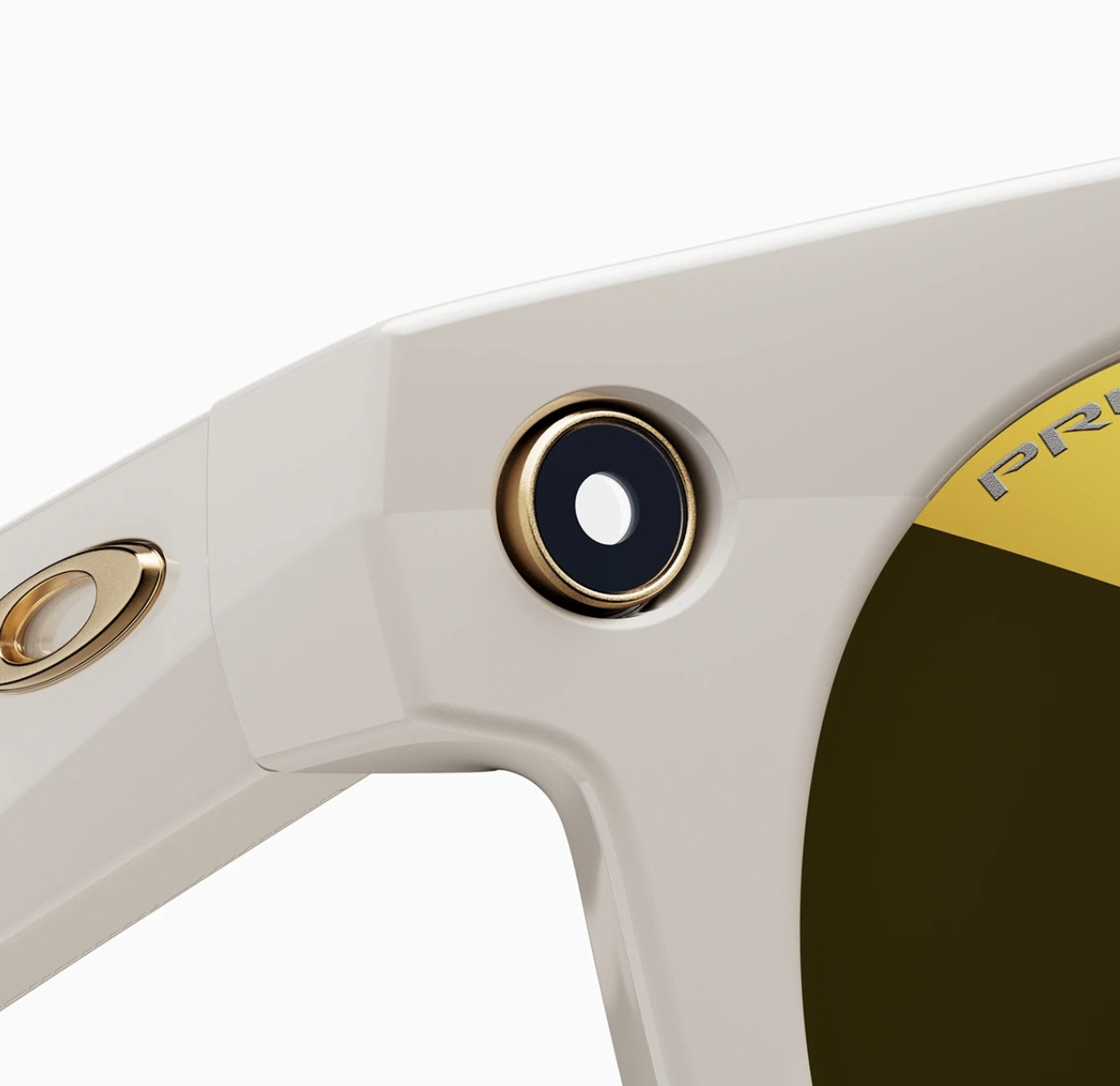
The key concept of the undertaking is what it calls personal superintelligence. Against centralised visions that imagine a future of total automation and universal income, Meta proposes systems that operate as individual cognitive extensions. One of the central vectors of that strategy lies in wearable devices. Meta's smart glasses, developed in partnership with Ray-Ban, have sold 2 million units since 2023. For Zuckerberg, this is “the ideal form factor for AI”, bringing together ambient capture, contextual assistants and ubiquitous computing. The augmented reality prototype Orion still has no launch date, but serves as a conceptual guide for the brand's future products.
Capital investment forecast for 2025 was raised to US$69 billion, driven above all by high infrastructure costs and by the hiring of AI talent. The company has been recruiting heavyweight names, such as Alexandr Wang (Scale AI), Nat Friedman and Daniel Gross, offering pay packages of up to nine figures. Former OpenAI researcher Shengjia Zhao will take on technical leadership of the new division.

In this landscape, design stops being merely interface and takes on a structuring role: it mediates the experience, defines the language of interactions and takes part in building what we understand as “intelligence”. Zuckerberg's lab is not only about algorithms, but about shaping a new computational culture, where the borders between subject and machine, between perception and processing, grow ever thinner.
Complete TV · Reels
A SP-Arte @sp_arte chega à sua 22ª edição entre os dias 8 e 12 de abril, no Pavilhão da Bienal, em São Paulo. O evento reúne 180 expositores
See on InstagramFrom Complete




More from Gilles Pedroza Leite
View profile


Latest from Complete
 FashionGuccicore: plurality as a language of style
 BeautyISDIN Fusion Water Magic: sun protection with lightness and technology
 The CoverIn the beginning, we couldn't even use the word handicraft.
 DesignTomie Ohtake House‑Studio presents Zanine Caldas
 CultureThievery Corporation, 30 years: the Washington duo that originated in bossa nova
 The CoverBrazil still gives little recognition to genuinely Brazilian authorial fashion.
 InnovationLight has become a building material