

Dieter Rams's legacy in design: the radical silence of form
Today, when design risks dissolving into spectacle or into the performance of the “new”, revisiting Rams is an exercise in resistance. Jonathan Ive, Jasper Morrison, Naoto Fukasawa all drank from his source.
Words by

Words by Gilles Pedroza Leite
Design and Innovation
Listen to this story
There are legacies that impose themselves through the noise of innovation; others, like that of Dieter Rams, through the serenity of a gesture that redraws the essential. Rams did not design objects, he designed silences. His design, disciplined by an ethic that borders on asceticism, became a visual manifesto against excess. In formalising his Ten Principles, Rams offered not commandments but clues towards a more sensitive, fairer, more honest existence. What is at stake in his work is not the aesthetics of minimalism as a market fetish, but a deep conviction that to reduce is to respect: the user, the environment, time. In a world drunk on obsolescence, he reminds us: less is not only more, less can be enough.
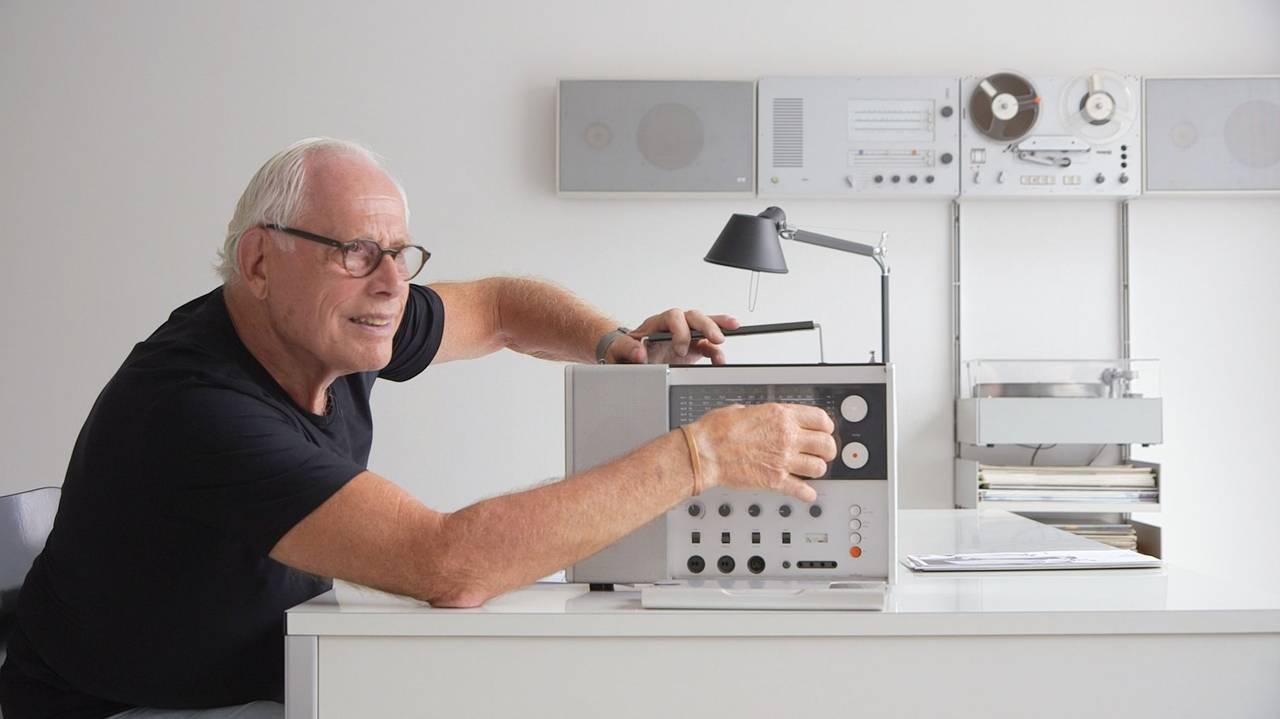
His collaboration with Braun and Vitsoe constitutes perhaps the most coherent visual grammar of the 20th century. From the radio to the modular system, Rams founded a language in which form and function are inseparable, not out of obedience to classical functionalism, but through an ethic that sees in the detail a form of care. The button, the curve, the empty space: everything speaks. His refusal of ornament is not a denial of beauty, but a bet on a beauty that emerges from clarity. Like a haiku, his objects suggest more than they show, invite more than they impose. His technology is the kind that slips into daily life without shouting, but shapes, with tenderness, the way we inhabit the world.
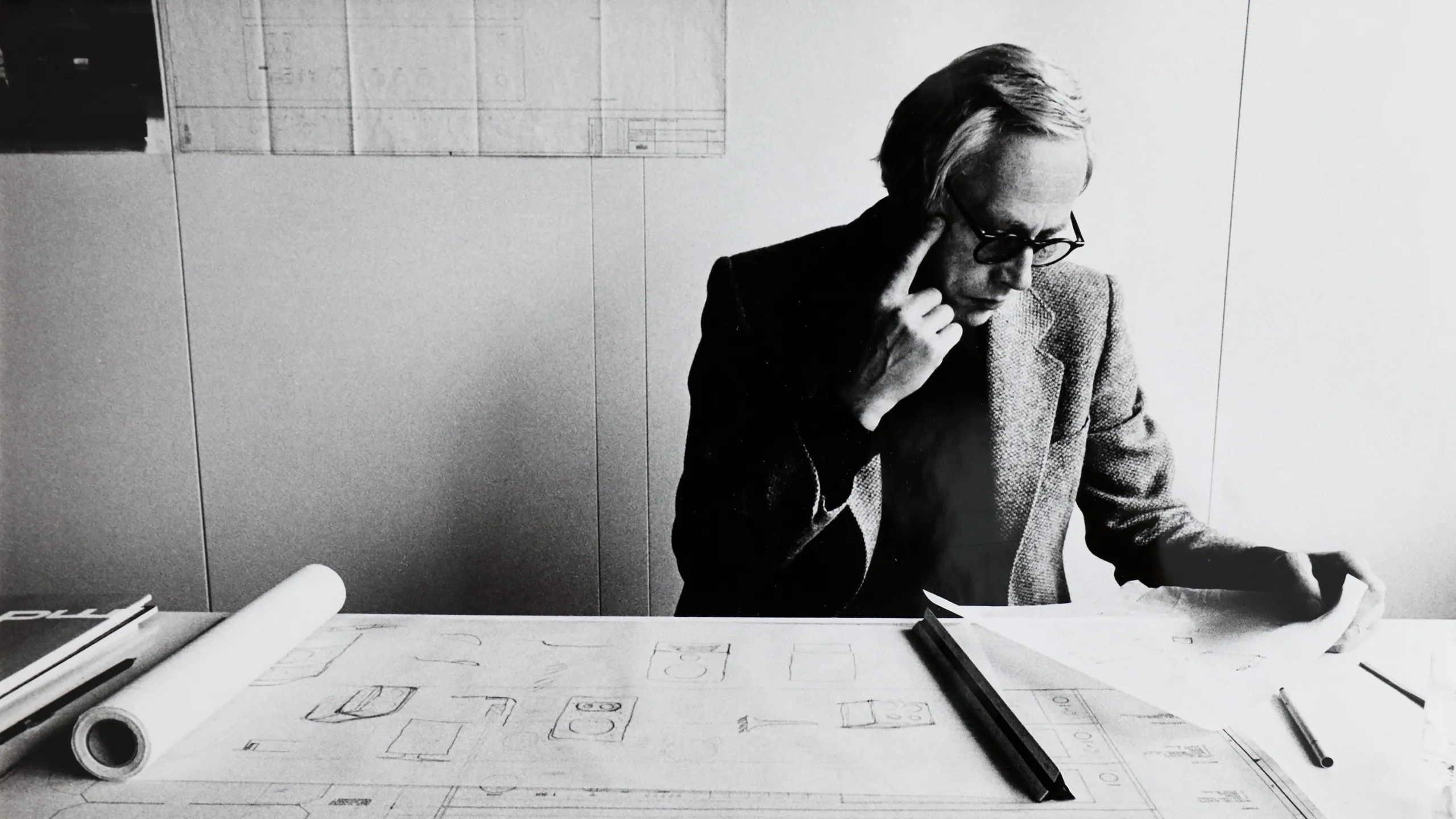
Today, when design risks dissolving into spectacle or into the performance of the “new”, revisiting Rams is an exercise in resistance. Jonathan Ive, Jasper Morrison, Naoto Fukasawa all drank from his source. But his legacy lies not in quotation or in style, but in attitude: to design as one who listens. To listen to the context, to the need, to time. Rams left us more than objects: he offered an ethical method of existing in the world through form. His design does not want to be remembered as authorial, but as useful. And it is precisely there that it becomes unforgettable.
Complete TV · Reels
Nascida no norte de Nova York, Dianna Lopez @_diannalopez começou a fazer música quase por acidente: estava ajudando um colega na faculdade
See on InstagramFrom Complete





More from Gilles Pedroza Leite
View profile


Latest from Complete
 FashionGuccicore: plurality as a language of style
 BeautyISDIN Fusion Water Magic: sun protection with lightness and technology
 The CoverIn the beginning, we couldn't even use the word handicraft.
 DesignTomie Ohtake House‑Studio presents Zanine Caldas
 CultureThievery Corporation, 30 years: the Washington duo that originated in bossa nova
 The CoverBrazil still gives little recognition to genuinely Brazilian authorial fashion.
 InnovationLight has become a building material