

Luigi Colani's legacy for regenerative biodesign
Considered one of the great iconoclasts of the 20th century, Colani built a path marked by the refusal of modern paradigms, by devotion to nature as a formal and structural source, and by an obstinate belief in a utopian future shaped by organic forms.
Words by

Words by Gilles Pedroza Leite
Design and Innovation
Listen to this story
Few names in the history of industrial design evoke a vision as radical as that of Luigi Colani (1928 to 2019). Considered one of the great iconoclasts of the 20th century, Colani built a path marked by the refusal of modern paradigms, by devotion to nature as a formal and structural source, and by an obstinate belief in a utopian future shaped by organic forms.
For him, design was more than function: it was applied biology, aerodynamic sculpture, aesthetic provocation. A self-declared apostle of “biodesign”, Colani saw in nature solutions superior to those of human engineering. Spiders, fish, shells and birds' wings were his design manuals. “90% nature + 10% Colani”, he liked to say, summing up an approach that joined scientific observation and sculptural intuition. The curved, flowing lines of his cars, aircraft, utensils and even megacities anticipated contemporary debates on parametric design and biomimicry, decades before the term became popular.
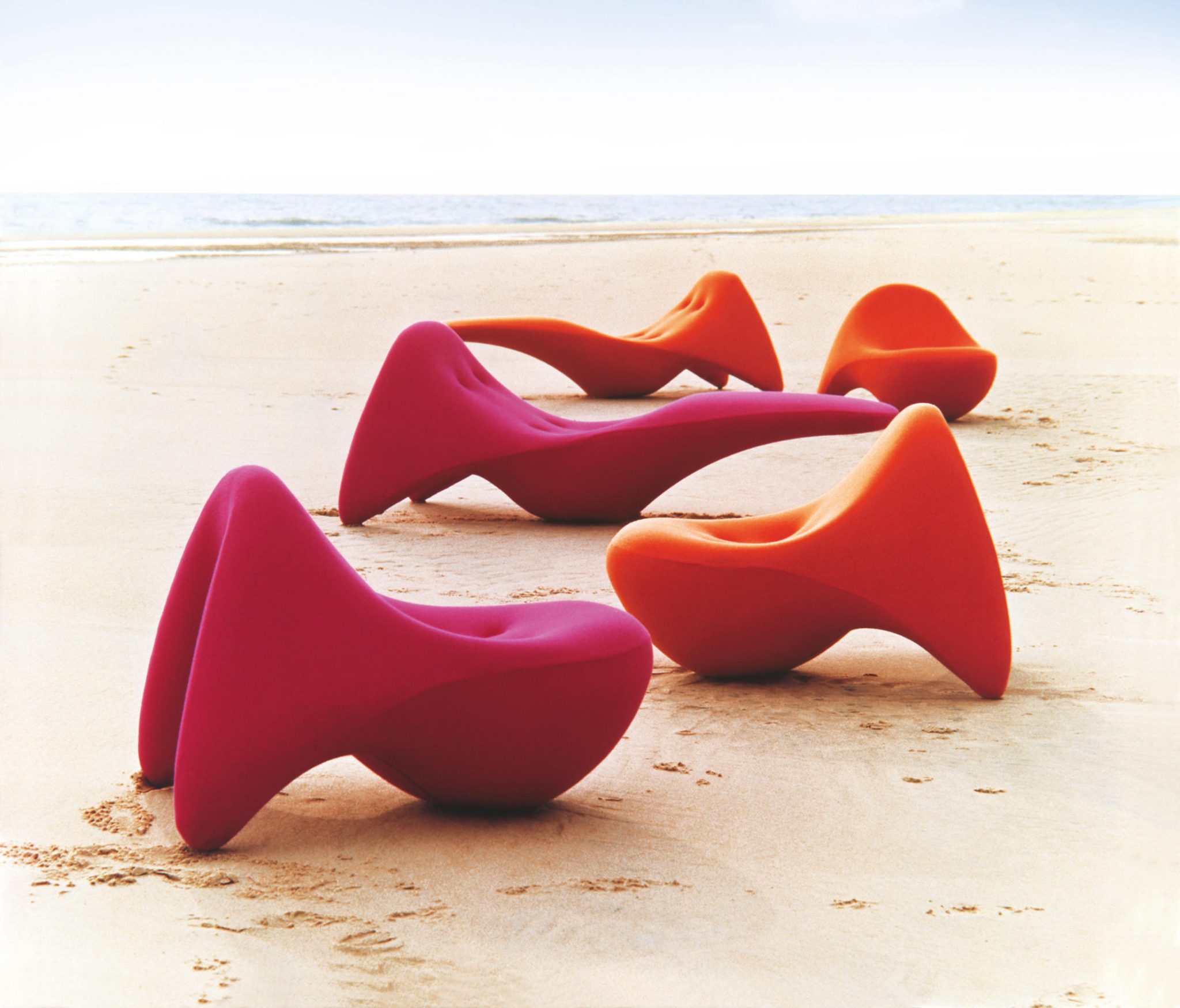
With an initial training in sculpture and aerodynamics, Colani began his career in Paris, drawing concept vehicles in the post-war landscape. Later he set up his studio in a castle in Germany, where he led a small atelier of experiment in fibreglass, far from the commercial circuit and the pressures of the market. Rather than answering corporate briefs, he developed parallel series of projects that often never materialised, but served as platforms for thinking another possible world. His obsession with sensual forms, frequently drawn from marine anatomy or from sexual allusion, set him apart from the functionalist and rationalist design that dominated the 1950s and 60s.
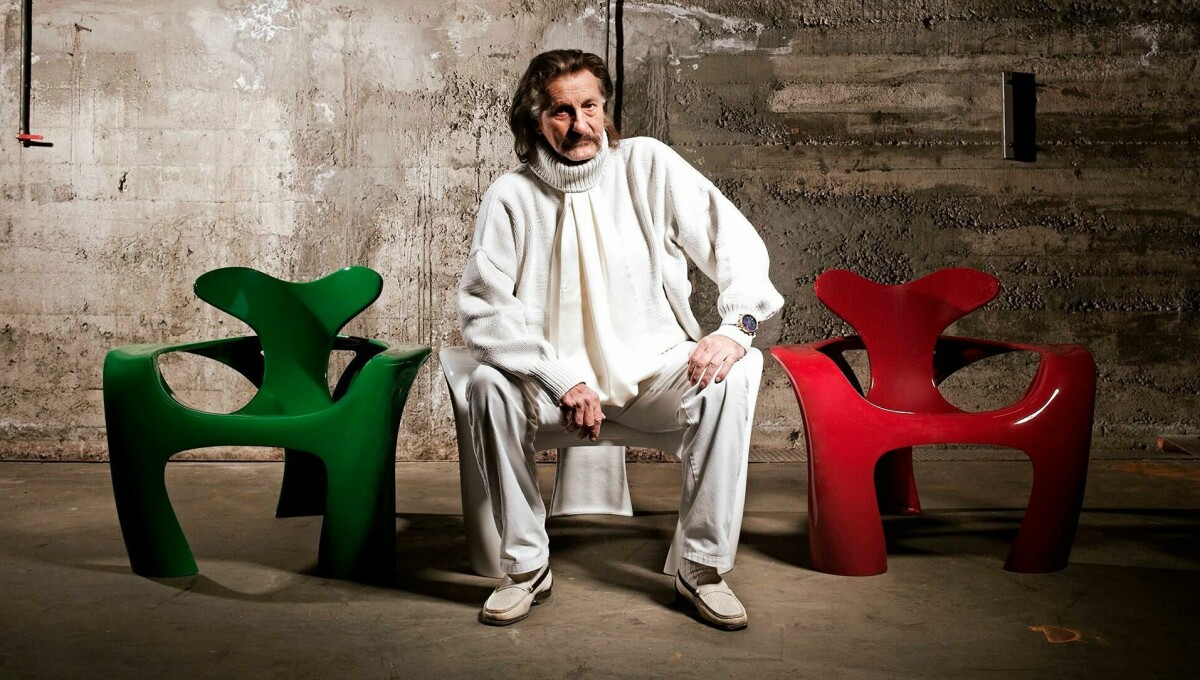
While modernism raised right angles and glass façades, Colani proposed rounded, aerodynamic, almost hallucinatory volumes. And he criticised the Bauhaus legacy for having left behind the circle, the colour and the dynamism that made up the essence of Walter Gropius's original manifesto. Despite his position at the margin, some of his projects were commercialised, such as the Canon T90 camera or the Cobra headphones. Others, such as his sculptural trucks, modular cities and supersonic aircraft, remained as prototypes or visionary collages.
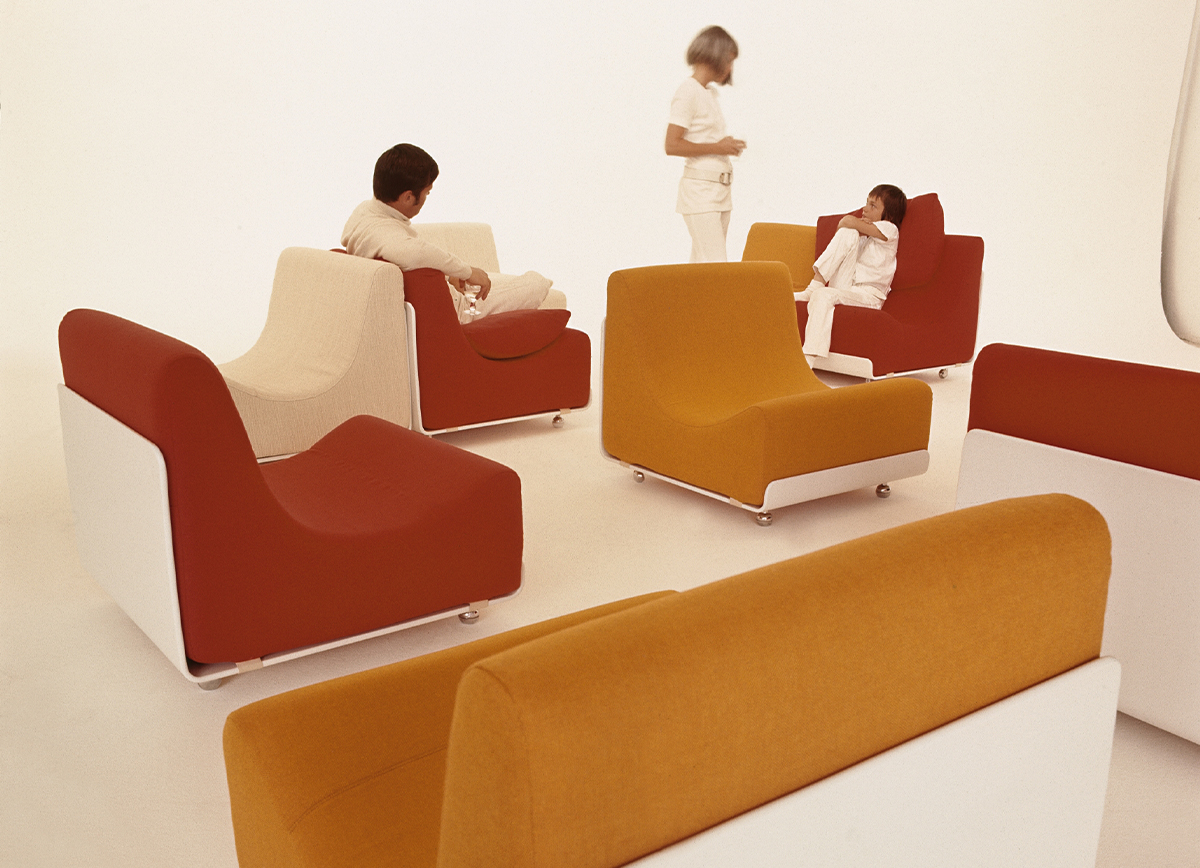
Luigi Colani believed that the curve was the most beautiful and most efficient form in the universe, and made it his aesthetic signature. At a time when algorithms shape design, his work resurfaces as an early manifesto of technological organicity. More than a designer, Colani was a dreamer of the three-dimensional. An artist who, in every line he drew, sought to rediscover the
Complete TV · Reels
Maja Petrić: a artista que escreveu a própria inteligência artificial
See on InstagramFrom Complete






More from Gilles Pedroza Leite
View profile


Latest from Complete
 FashionFORCA Studio at SPFW N61: Forca X, Bridgestone tire and punk leather
 DesignTomie Ohtake House‑Studio presents Zanine Caldas
 The CoverIn the beginning, we couldn't even use the word handicraft.
 CultureThievery Corporation, 30 years: the Washington duo that originated in bossa nova
 InnovationLight has become a building material
 The CoverBrazil still gives little recognition to genuinely Brazilian authorial fashion.
 BeautyBORNTOSTANDOUT arrives in Brazil